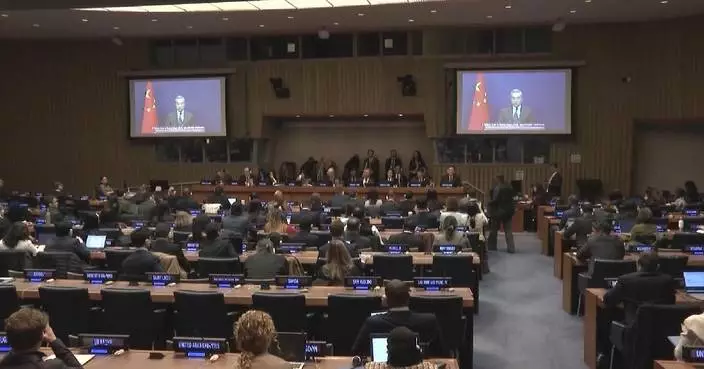
Japan should return the looted Chinese cultural relics as soon as possible and deeply reflect on the history of aggression, said the country's historians at a seminar held in Tokyo on Saturday.
From First Sino-Japanese War (1894-1895) to the Chinese People's War of Resistance Against Japanese Aggression (1931-1945), Japan looted a great number of cultural relics from China.
For many years, scholars from both China and Japan have been urging the Japanese government to return the cultural relics.
Some of the historians attending the seminar said the only way for Japan to avoid taking the wrong course again is to face up to the history and deeply reflect on its history of aggression.
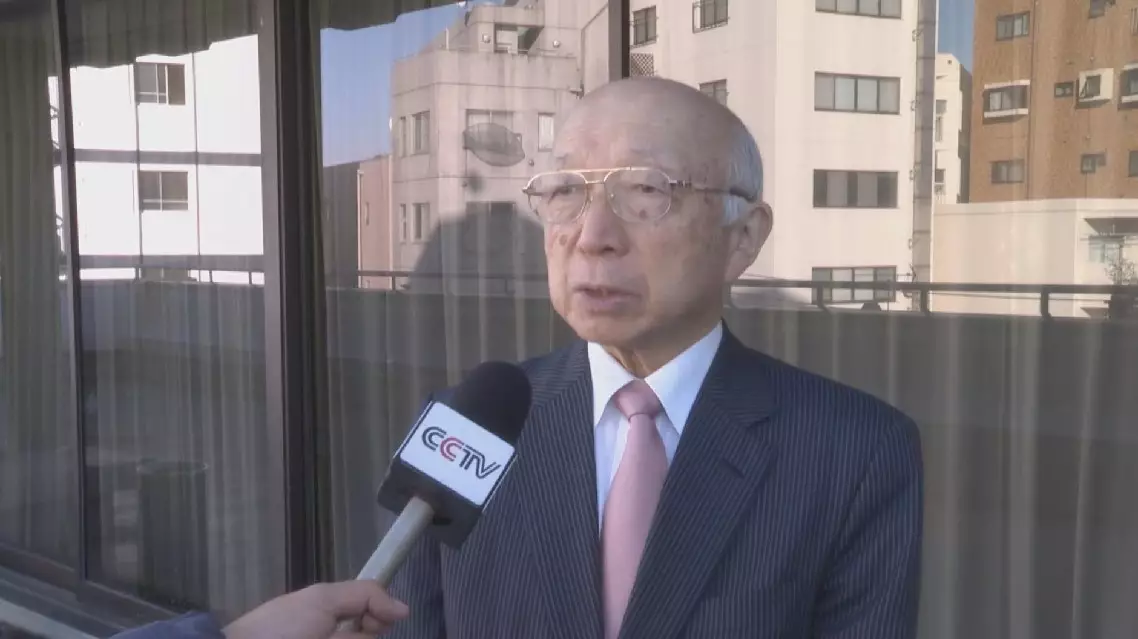
"Japan looted a great number of cultural relics from China during its war of aggression against the country, which is a historic 'negative equity' that should be corrected. Returning the cultural relics to China will also contribute to the Japan-China friendship in the long run," said Takakage Fujita, secretary-general of the Association for Inheriting and Propagating the Murayama Statement.
Scholars also said sending the relics back to China will also help raise the awareness of the history of aggression among Japanese people.
"We should verify those looted Chinese cultural relics and actively return them. By doing so, Japanese people will have more comprehensive awareness of the war of aggression as well as the responsibilities for the aggression," said Atsushi Kouketsu, professor emeritus of Yamaguchi University.
The historians at the seminar also highlighted the significance of returning the relics for pushing Japan to rethink its modern history so as to truly contribute to peace promotion. "We are simply claiming that we are reflecting on the war but taking no real actions. I think not returning the looted cultural relics is an example of such thinking," said Tsuguo Toukairin, vice chairman of the Tokyo Association of History Educators.
"Japan needs to rethink its modern history. Without doing so but just claiming anti-war stance will provide no foundation for promoting peace and the return of cultural relics," said Akira Igarashi, director of the research department of Tokyo Buried Cultural Properties Center.
Japanese historians urge return of relics looted from China
Japanese historians urge return of relics looted from China
Artificial intelligence and robotics, both major topics of discussion at the ongoing Boao Forum this year, are also being widely adopted at the event as ways to improve the service inside and outside the venue.
The BFA Annual Conference 2026 is being held in Boao, south China's Hainan Province. Running from March 24 to 27, this year's conference is themed "Shaping a Shared Future: New Dynamics, New Opportunities, New Cooperation."
A water generator at the venue cools and condenses moisture from the air into water, then filters and sterilizes it. It can also run on solar power for a completely off-grid, zero-carbon operation.
Meanwhile, a special robot barista operates a coffee stand where guests can order a drink with the press of a button, prompting the robotic arm to get to work -- grabbing a cup, brewing, and frothing -- all in one smooth motion.
The venue has also adopted an AI-based management system, which can automatically adjust a range of factors based on current conditions and detect and respond to anomalies when they occur.
These sorts of systems are already being adopted at a wider scale across Hainan.
"This is our operational management center for the zero-carbon demonstration zone. It’s powered by an AI-driven system that manages all energy consumption and carbon emissions. From here, we can remotely control over three thousand devices across the island with a click, including air conditioners and lighting. It's smart management, done remotely," said Zeng Youwen, chief general engineer of the China Academy of Urban Planning and Design Hainan Branch.
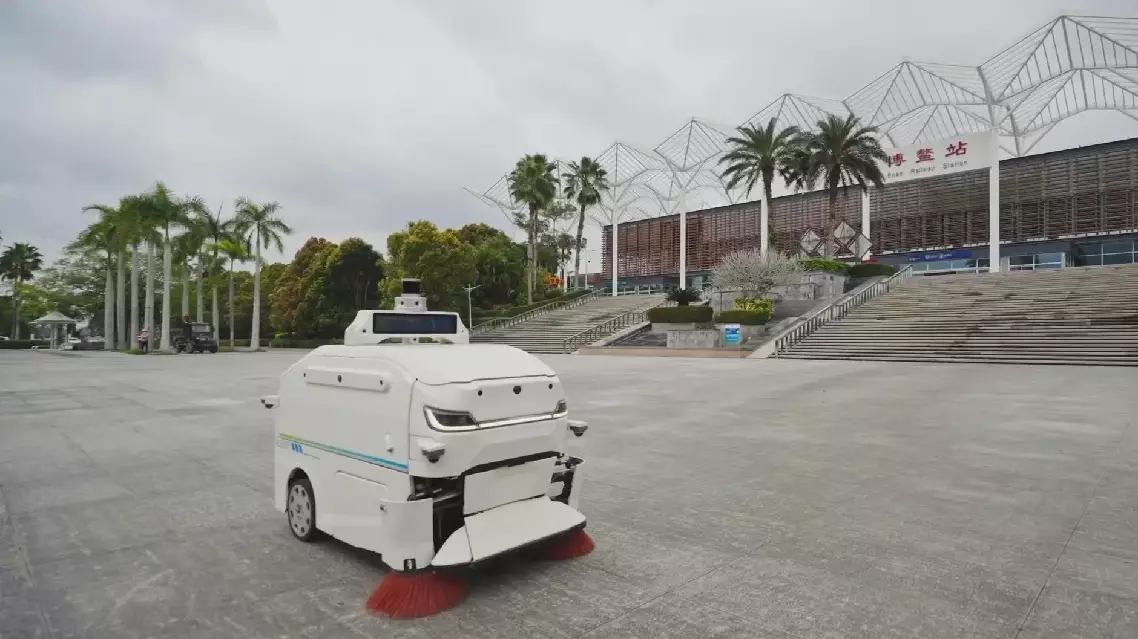
Outside the venue, some smart equipment is also sharing the workload. On Boao's coastline, a beach-cleaning robot moves along the shore, sweeping up cigarette butts, debris, and coconut shells.
The robots can work before visitors arrive or after sunset, cleaning up to 3,000 square meters of beach per hour. In the water, a diving robot that clears debris and even has emergency rescue capabilities.
These on-site applications of emerging technologies have helped spur discussions at the forum on how the deep integration of technology and industry is gaining momentum as China enters the 15th Five-Year Plan period.
"Industries can only be upgraded by applying the new technologies, by applying AI, by applying other innovative technology, science and technology, there should all be injected into industries. And that's how the industries are going to produce high quality products. And you will have high quality productive forces that will change the lifestyle, the living standard of the Chinese people and the people living beyond," said Sohail Khan, deputy secretary-general of Shanghai Cooperation Organization.
Founded in 2001, the BFA is a non-governmental and non-profit international organization committed to promoting regional economic integration and bringing Asian countries closer to their development goals.
Robots, AI facilitate guest services at Boao Forum venue