Along with smartphones and streaming subscriptions, the three-row SUV is now a staple of American family life. And since nearly every automaker sells one, choosing the right one can feel overwhelming. Some buyers will want the best fuel economy, while others may value tech and safety features. But all three-row SUV buyers can likely agree on room. You can never have enough passenger or cargo space in a family SUV, and here Edmunds’ car experts have gathered their top picks based on roominess, value and versatility. Call it the battle of the Oversized Midsized. All prices include the destination fee.
Chevrolet Traverse
Click to Gallery
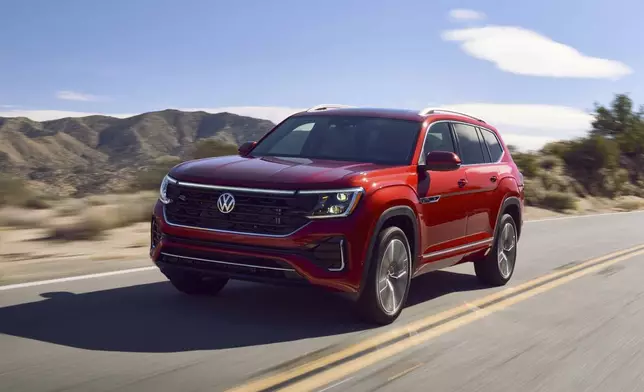
This photo provided by Volkswagen shows the 2025 Atlas. With a massive cargo area and space for adults in all three rows, it's one of the most spacious midsize SUVs you can buy. (Volkswagen of America via AP)
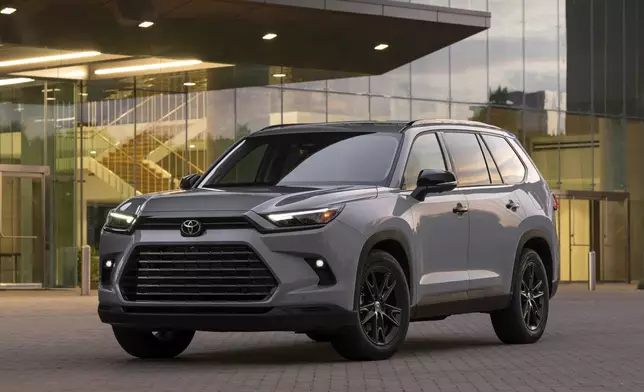
This photo provided by Toyota shows the 2024 Grand Highlander. It has one of most adult-friendly third rows you'll find and scores high for fuel efficiency, comfort and technology. (Toyota Motor Sales U.S.A. via AP)
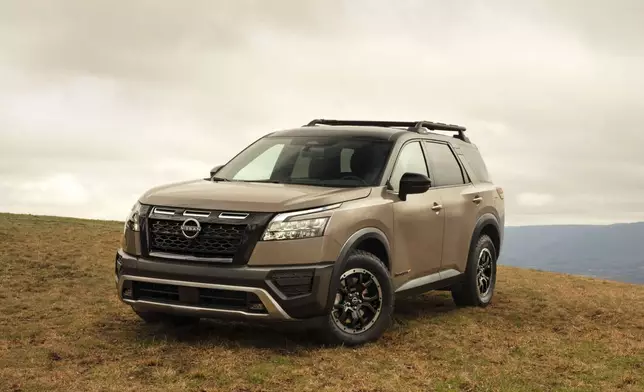
This photo provided by Nissan shows the 2025 Pathfinder. The Rock Creek version pictured here has all-terrain tires and a lifted suspension to provide a bit more off-road capability. (Nissan North America via AP)
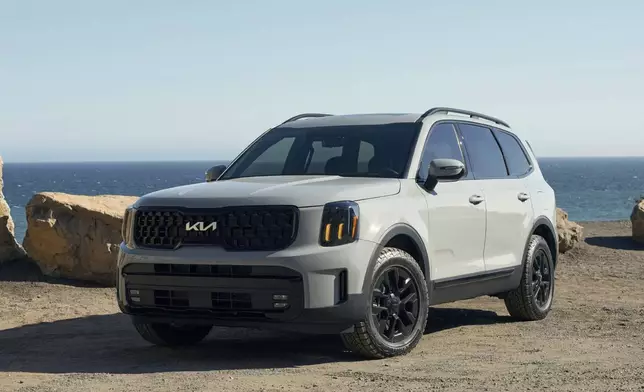
This photo provided by Kia shows the 2025 Telluride. It boasts a quiet cabin, impressive tech, extensive standard features and adult-friendly third-row seating. (Kia America via AP)
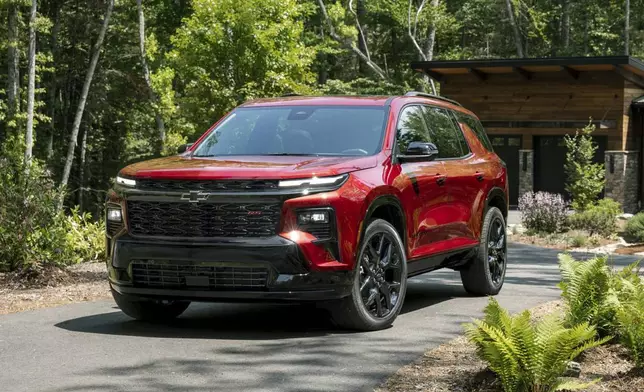
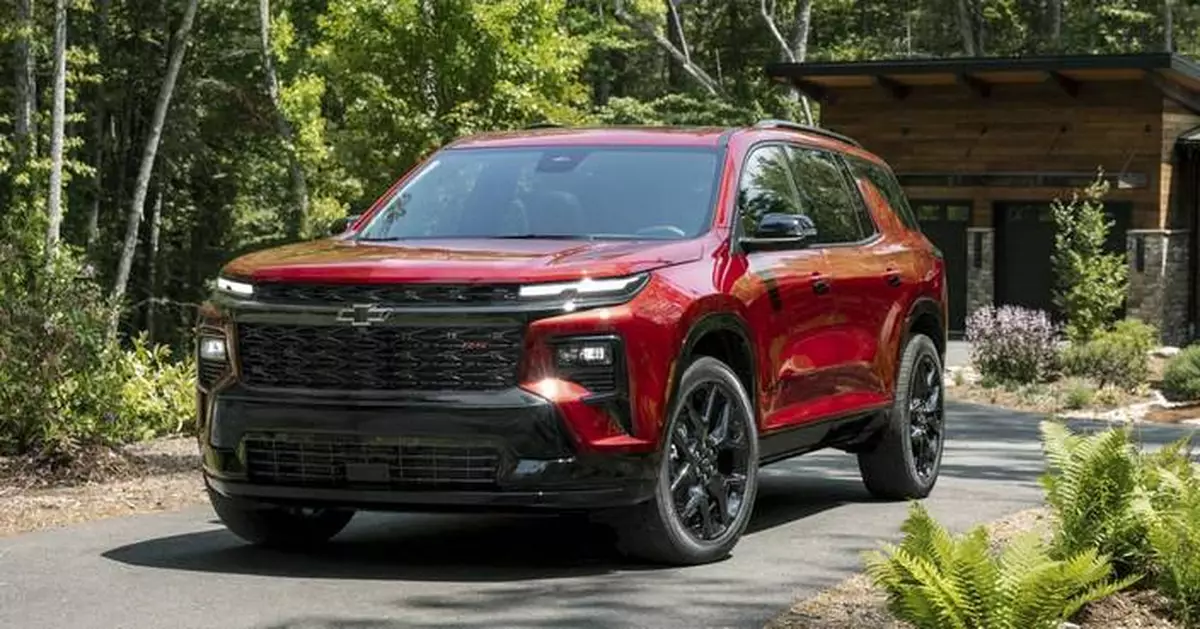
This photo provided by Chevrolet shows the 2025 Traverse. The Traverse got a redesign last year and is one of the roomiest three-row midsize SUVs you can buy. (General Motors via AP)
To get anything bigger than the Traverse in Chevy’s lineup, you’d have to buy a Tahoe or Suburban. The Traverse seats up to seven passengers and its cargo space — 22.9 cubic feet behind the third row — is outstanding for a midsize SUV. When you really need to haul things, folding both rows serves up a maximum of 98 cubic feet, which is more than six times as big as a typical midsize sedan’s trunk. The Traverse’s cavernous cargo space is complemented by generous legroom for adults in the third row. The Traverse’s 328-horsepower turbocharged four-cylinder engine helps this SUV tow up to 5,000 pounds and get up to an EPA-estimated 23 mpg combined in regular driving.
2025 Traverse starting price: $41,995
Kia Telluride
With its upscale interior, standard eight-passenger seating and many standard driver assist features, the Telluride works great as a family hauler. There’s lots of second-row legroom, so even the tallest kids and adults have room to relax. Even the third row offers up ample legroom and still leaves 21 cubic feet of cargo space behind it. The Telluride’s 291-horsepower V6 engine gets up to an EPA-estimated 22 mpg combined and is backed by a long 10-year powertrain warranty. Buyers who prefer a little more luxury can opt for the Hyundai Palisade, a mechanical twin to the Telluride underneath the sheet metal. It’s not hard to see why the Telluride remains one of Edmunds’ top-rated SUVs.
2025 Telluride starting price: $37,585
Nissan Pathfinder
Bridging the gap between Nissan’s compact Rogue and the big, truck-ish Armada, the Pathfinder is a just-right three-row choice. It seats eight, comes with a 284-horsepower V6 engine and gets up to 23 mpg combined. It’s also one of the more inexpensive choices in the class, even when fully loaded. Like the Traverse, the Pathfinder is a boon for taller drivers thanks to lots of front legroom. Second- and third-row passengers also get plenty of space, although it comes at the expense of cargo space. There’s only 16.6 cubic feet of space behind the third row. What the Pathfinder lacks in cargo, however, it makes up for with extra towing potential. Properly equipped, the Pathfinder can pull up to 6,000 pounds, about 1,000 pounds more than its rivals.
2025 Pathfinder starting price: $38,460
Toyota Grand Highlander
As you can likely gather by its name, the Grand Highlander is an even bigger and fancier version of Toyota’s regular Highlander SUV. The Toyota’s 20.6 cubic feet of cargo space behind the third row is only fractionally smaller than the Kia Telluride’s, which means there’s ample room for gear and goods. It’s also massively roomy for second- and third-row passengers. The Grand Highlander is a bit pricey, but buyers seeking fuel efficiency will appreciate its EPA estimate of up to 24 mpg combined. There’s also the even more efficient Grand Highlander Hybrid version that gets up to 36 mpg combined that starts at around $46,000.
2024 Grand Highlander starting price:$45,08
Volkswagen Atlas
With a name like Atlas, you’d expect this Volkswagen SUV to be big, and you’d be right. The third row is big enough to seat many adults, and there’s 20.6 cubic feet of cargo space behind it. Folding the two back rows delivers 96.8 cubic feet, almost the same as the Traverse. There are also plenty of spaces inside to stash small personal items. A 269-horsepower turbocharged four-cylinder engine gets up to an EPA-estimated 22 mpg combined. Volkswagen also sees to it that even a base Atlas comes with a lot of standard features, including heated and ventilated front seats, synthetic leather upholstery and a wireless phone charger.
2025 Atlas starting price:$39,625
When buying a midsize three-row SUV, you want to get the most passenger and cargo space for your money. Fortunately, some of the best picks are also the roomiest.
This story was provided to The Associated Press by the automotive website Edmunds.
Dan Frio is a contributor at Edmunds.
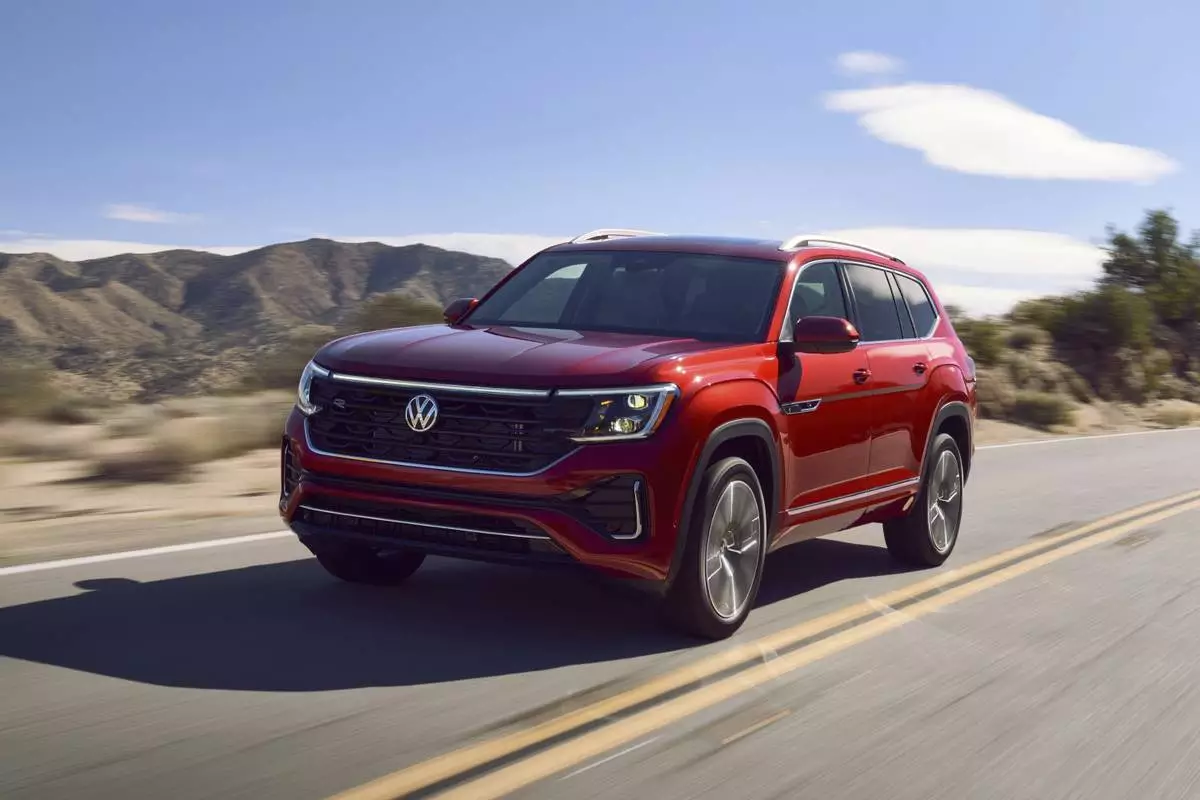
This photo provided by Volkswagen shows the 2025 Atlas. With a massive cargo area and space for adults in all three rows, it's one of the most spacious midsize SUVs you can buy. (Volkswagen of America via AP)
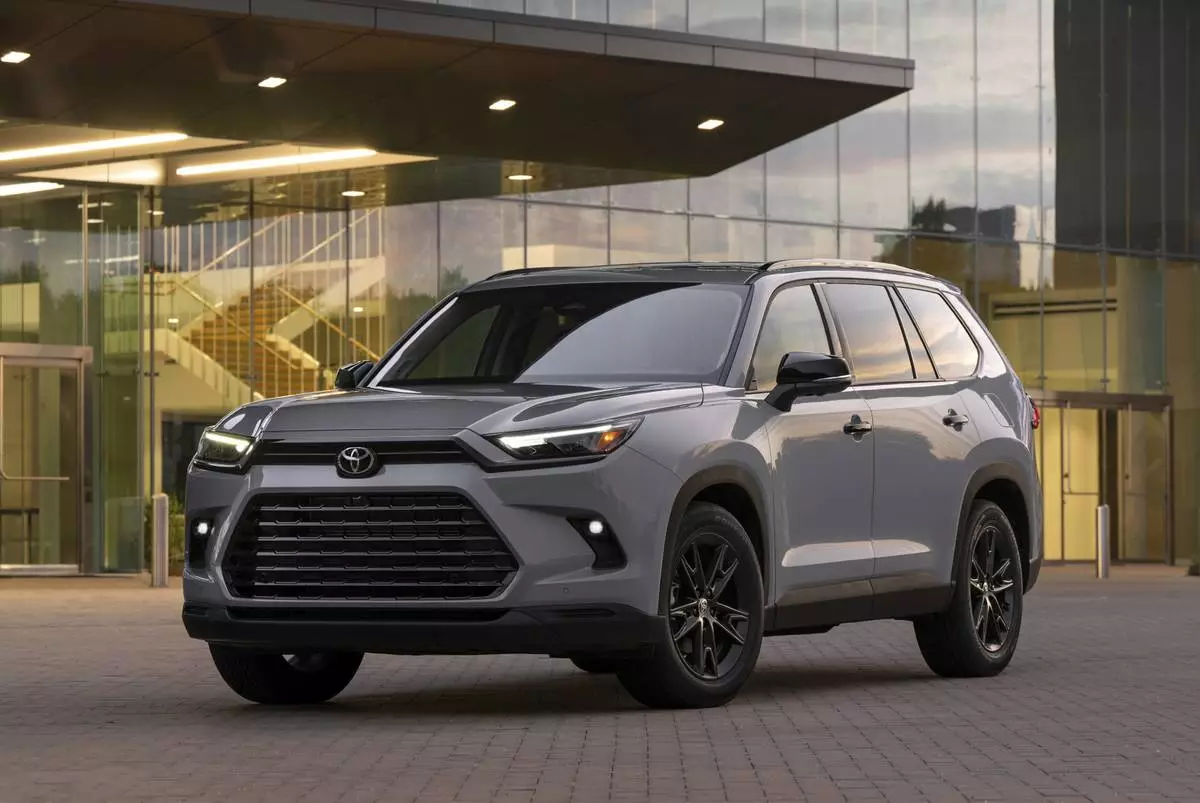
This photo provided by Toyota shows the 2024 Grand Highlander. It has one of most adult-friendly third rows you'll find and scores high for fuel efficiency, comfort and technology. (Toyota Motor Sales U.S.A. via AP)
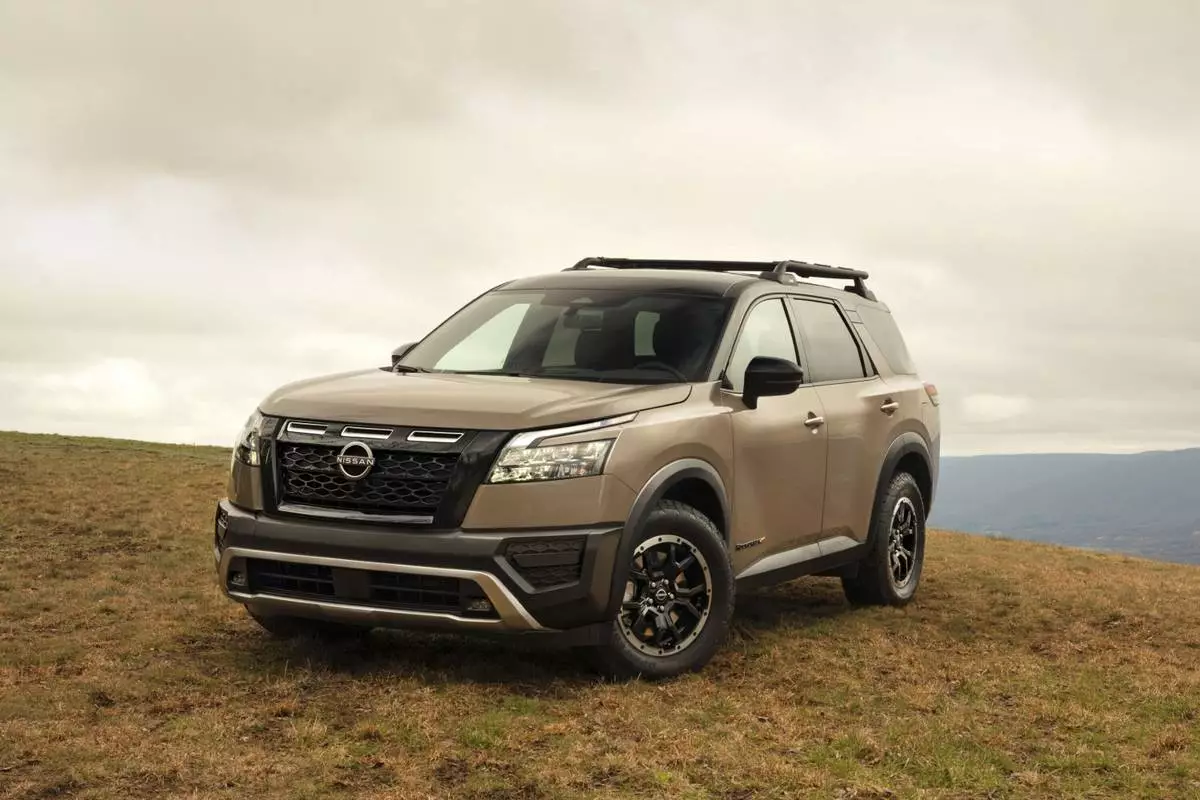
This photo provided by Nissan shows the 2025 Pathfinder. The Rock Creek version pictured here has all-terrain tires and a lifted suspension to provide a bit more off-road capability. (Nissan North America via AP)
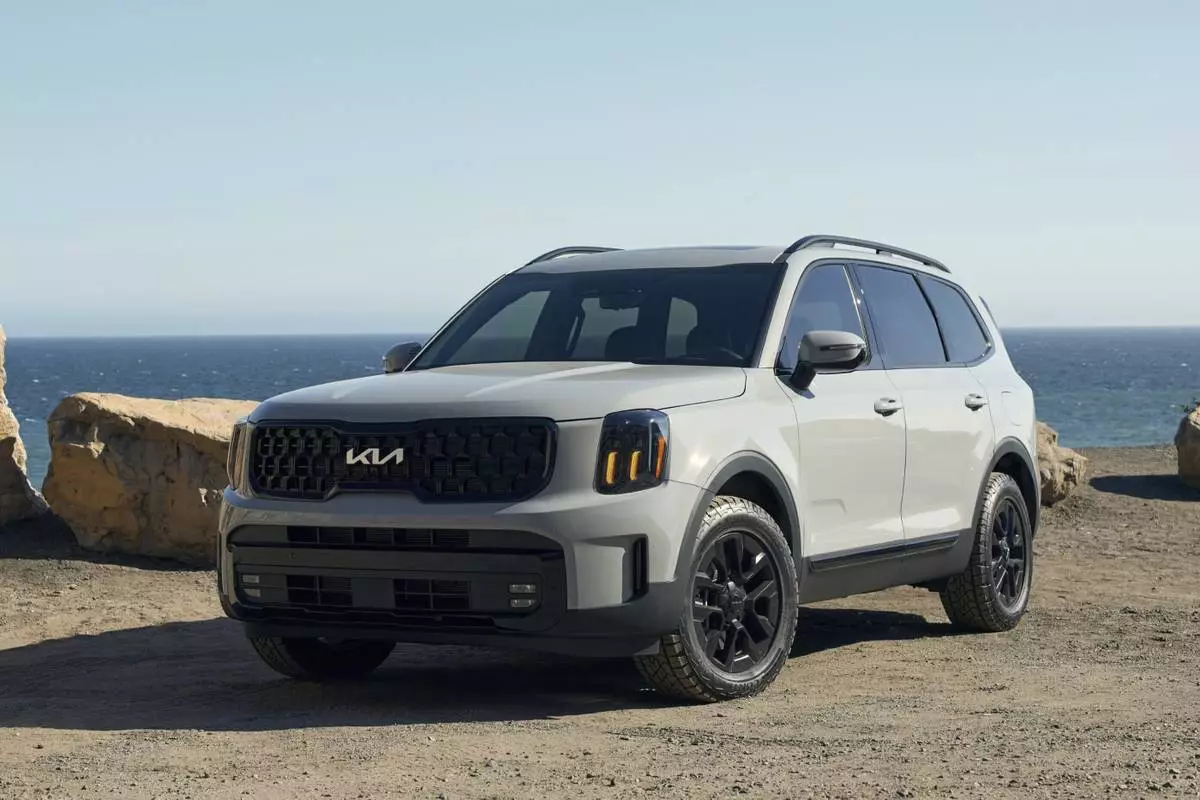
This photo provided by Kia shows the 2025 Telluride. It boasts a quiet cabin, impressive tech, extensive standard features and adult-friendly third-row seating. (Kia America via AP)
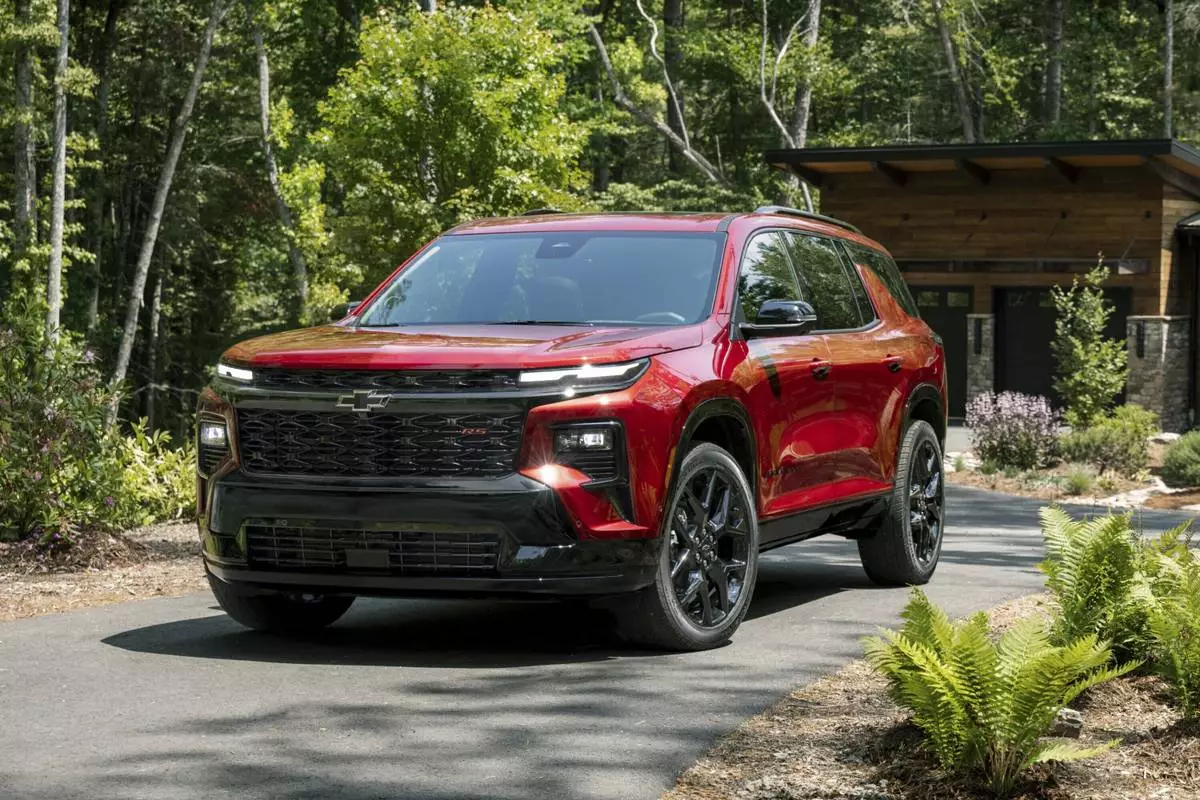
This photo provided by Chevrolet shows the 2025 Traverse. The Traverse got a redesign last year and is one of the roomiest three-row midsize SUVs you can buy. (General Motors via AP)