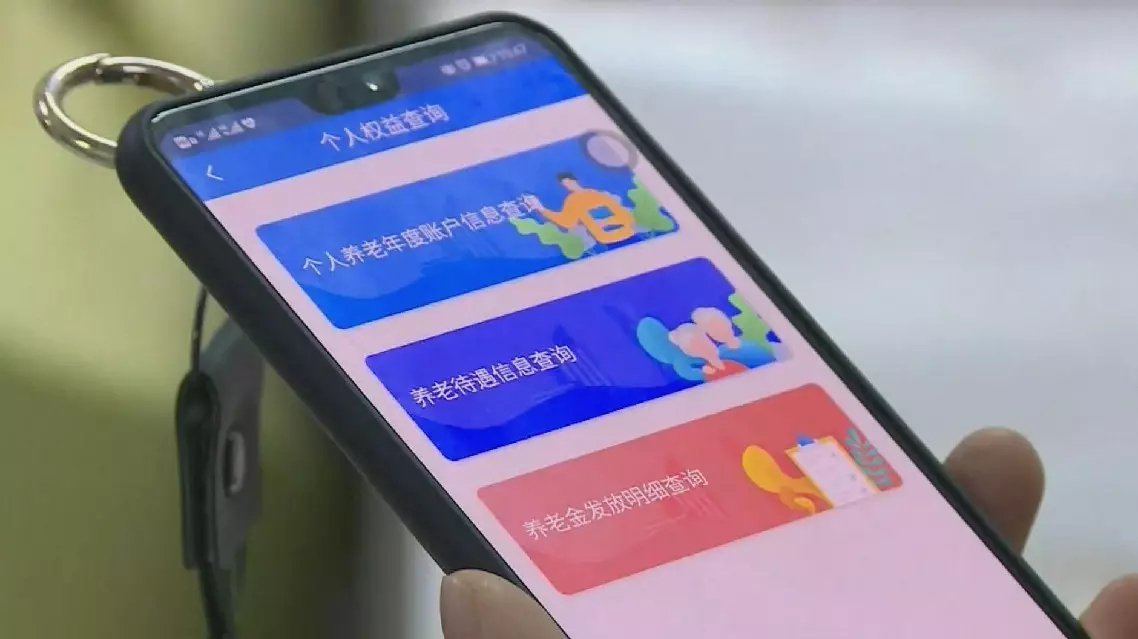
China announced on Thursday that it will expand the private pension scheme from 36 pilot cities and regions to the whole country from Dec 15.
As a supplementary pension insurance, this scheme is voluntary for individuals and operated in a market-oriented manner through support from national policies, according to a notice jointly issued by five government departments including the Ministry of Human Resources and Social Security.
The notice states the scheme will take effect from Dec 15, and all workers who participate in the basic pension insurance for urban employees or the basic pension insurance for urban and rural residents in China can participate in it.
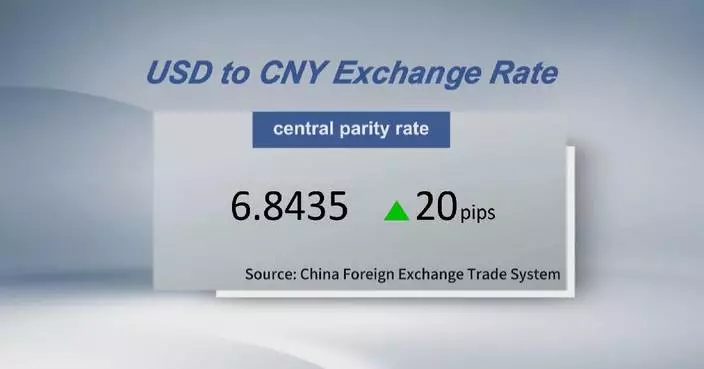
The scheme allows Chinese citizens to contribute up to 12,000 yuan (about 1,651.46 U.S. dollars) annually to individual pension accounts.
The notice stipulates that on the basis of existing wealth management products, savings deposits, commercial pension insurance and public fund products, government bonds, specific pension savings and index funds will be included in the scope of private pension products.
Financial institutions should clearly state the asset allocation of private pension products, carry out investment consulting services in accordance with laws and regulations, and explore the development of default investment services to strengthen the protection of financial consumers and investors, and safeguard the participants' right to know and right to choose independently, according to the notice.
The notice points out that the scope of commercial banks that can open private pension business should be determined prudently, and commercial banks are encouraged to sell all types of private pension products.
Commercial banks should improve online and offline service channels, provide more personalized services for participants to change their bank accounts and receive private pensions, and provide convenience for financial management companies, insurance companies and other institutions to carry out private pension business, according to the notice.
The notice clearly states that based on conditions including the age of receiving basic pension, complete loss of ability to work, and settling abroad, participants who suffer from serious illness, meet certain conditions for receiving unemployment insurance benefits, or are receiving minimum living allowances can apply to retrieve their private pension in advance, and specific measures will be formulated separately.
The notice requires relevant departments to strengthen supervision according to their respective responsibilities, enhance information sharing, and promote the standardized operation of the system to jointly promote the healthy development of the individual pension system.
The notice also points out that workers who participate in the basic pension insurance for urban employees or the basic pension insurance for urban and rural residents can participate in the individual pension system.
"As the first pillar in China's pension security system, basic pension insurance covers 1 billion people. Excluding the 300 million people who are already receiving pensions, there are still 700 million urban employees and urban and rural residents who are paying. In principle, all of them can open private pension accounts, so such a comprehensive implementation will be fairer," said Dong Keyong, professor of Renmin University of China.
Experts said that participants can not only enjoy preferential policies for deferred taxation, but also increase their security reserves.
"The introduction of private pensions is also a basic practice internationally, with the goal of coping with an aging population. By contributing into the scheme, individuals can enjoy various tax and other benefits from the country while strengthening their future pension security reserves, which is a very good choice for individuals," said Qi Chuanjun, deputy secretary-general of the Center for International Social Security Studies under Chinese Academy of Social Sciences.
China announces nationwide implementation of private pension scheme