China's decision to shift next year's monetary policy stance from "prudent" to "moderately loose" signals a firm commitment to proactive macroeconomic policies aimed at accelerating economic growth, according to a senior official at the People's Bank of China (PBOC).
The country's annual Central Economic Work Conference was held in Beijing from Wednesday to Thursday, with Chinese leaders deciding priorities for economic work in 2025. During the tone-setting meeting, it was stressed that a moderately loose monetary policy should be implemented, with reductions in the reserve requirement ratio and interest rates at an appropriate timing to ensure ample liquidity.
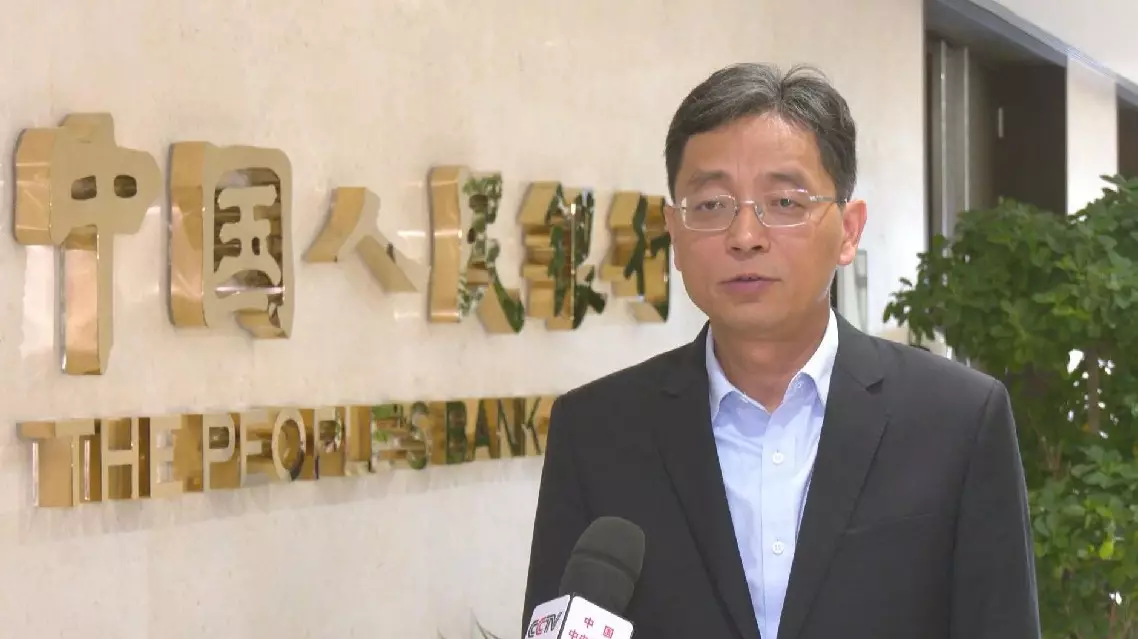
Zou Lan, head of the PBOC's Monetary Policy Department, said that the central bank will continue to implement a comprehensive set of measures to ensure robust policy support for stabilizing economic growth. A more moderate policy is expected to bolster investor confidence and consumer willingness to spend.
"The central government's decision to adopt a 'moderately loose' monetary policy carries significant signaling value, reinforcing policy continuity and effectiveness. This shift is conducive to increasing investor confidence, enhancing consumer willingness to spend, and further stimulating the initiative and dynamism of economic entities, thereby promoting a virtuous cycle in the real economy," Zou said.
The decision comes against a backdrop of mounting external uncertainties and persistent domestic economic challenges. According to Zou, the adoption of a moderately loose stance underscores the central bank's resolve to enhance its ability to respond to such headwinds.
"The PBOC will effectively implement a moderate loose monetary policy, timely adjusting reserve requirements and interest rates to maintain ample liquidity. We will ensure that the growth of aggregate financing and money supply aligns with our economic growth and inflation targets. On pricing, we will keep pushing forward; on aggregate levels, we will continue to exert force; and structurally, we will focus our efforts to enhance the transmission mechanism of monetary policy, prevent capital mis-allocation, and strike a balance between supporting the real economy and maintaining the stability of the banking system, thereby promoting a sustained recovery in the economy," he said.
According to Zou, the monetary policy will remain closely coordinated with other macroeconomic measures to enhance overall policy effectiveness. Looking ahead, the central bank plans to lower the overall cost of financing for businesses and households, providing a favorable interest rate environment to stimulate consumption and investment. These moves are anticipated to stabilize competition in deposit and loan markets and enhance banks' ability to price autonomously and rationally.
"The PBOC will flexibly utilize various monetary policy tools, including reserve requirements, open market operations, and re-lending, to ensure ample liquidity in the banking system. It will guide banks to tap into effective credit demand and further activate existing assets to promote stable monetary credit operations. Structural monetary policy tools will also be leveraged to provide targeted incentives, focusing on developing science and technology finance, green finance, inclusive finance, old-age finance and digital finance. These efforts aim to more effectively meet reasonable financing needs for consumption, thereby fostering the stable and healthy development of both the real estate market and capital markets," Zou said.
In addition to domestic monetary measures, the PBOC plans to deepen reforms in exchange rate marketization and strengthen expectations management to cushion external shocks, so as to guard against the risks of excessive exchange rate fluctuations while maintaining the renminbi's stability at a reasonable and balanced level. Moreover, the central bank is committed to improving overall policy efficiency, Zou said.
"We will coordinate macroeconomic policies to deliver a powerful policy combination. This includes creating a favorable liquidity environment for government bond issuance, increasing government bond market operations, and enhancing the impact of a more active fiscal policy. Together, these measures will support economic growth and structural adjustments," he added.
Moderately loose monetary policy reflects China's resolve to boost growth: central bank official