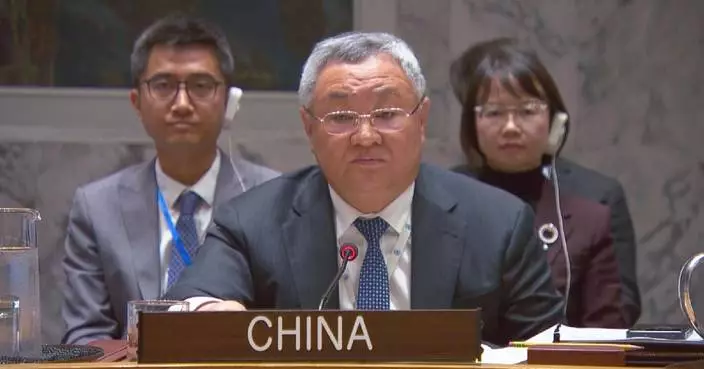
The 16th meeting of the Conference of the Parties (COP16) to the UN Convention to Combat Desertification (UNCCD) closed early Saturday, with 39 decisions, including a procedural decision on drought, adopted.
Several postponements marked the final day of the two-week conference, which did not conclude until 02:05 local time (2300 GMT Friday). As negotiations had been stuck in reaching consensus over a new drought framework, parties adopted a procedural decision agreeing to continue discussions on the basis of the progress made at COP16, with a view to adopting a decision at COP17 in Mongolia in 2026.
Click to Gallery
COP16 wraps up in Riyadh with 39 decisions adopted
COP16 wraps up in Riyadh with 39 decisions adopted
COP16 wraps up in Riyadh with 39 decisions adopted
COP16 wraps up in Riyadh with 39 decisions adopted
Meanwhile, more than 12 billion U.S. dollars were pledged to tackle desertification, land degradation and drought around the world, especially in the most vulnerable countries.
New pledges for large-scale land restoration and drought preparedness were announced, such as the Riyadh Global Drought Resilience Partnership, which attracted 12.15 billion dollars to support 80 of the world's most vulnerable countries in building their resilience to drought.
Running from Dec. 2 to 13 under the theme "Our Land. Our Future", COP16 is the largest UN land-focused conference to date and the first UNCCD COP in the Middle East and North Africa.
Throughout the conference, the China Pavilion hosted 10 sideline meetings with senior officials from different countries participating. Moreover, it showcased China's decades-long endeavors and experience in combating desertification through various initiatives and projects.

COP16 wraps up in Riyadh with 39 decisions adopted

COP16 wraps up in Riyadh with 39 decisions adopted

COP16 wraps up in Riyadh with 39 decisions adopted

COP16 wraps up in Riyadh with 39 decisions adopted
Japanese protesters gathered outside the Prime Minister’s Office in Tokyo on Monday, voicing opposition to proposed revisions to three security documents.
The demonstration came the same day Japan’s government held its first expert panel meeting at the Prime Minister’s Office to discuss updates to the three documents, including the National Security Strategy.
Protesters said the government is taking steps they view as dangerous, including easing restrictions on the export of lethal weapons and seeking changes to Japan’s pacifist constitution.
"The export of lethal weapons in itself violates the constitution. From the beginning, they should never have had such weapons. So it is absolutely something we can not allow,” said one protester.
"This will evolve into a situation where wars can be constantly launched, thereby leading to the spread of war. That’s why I believe this is absolutely unacceptable. Since we cannot stop the weapons industry, they’ll try to start wars to keep it going. Profiting from weapons is absolutely not allowed and this itself also violates Article 9 of the constitution, so it must not be done," another protester warned.
Several protesters also argued that amending the constitution is unacceptable.
"I believe amending the constitution is absolutely not allowed. I think we have been able to live in peace until now because the constitution exists. With excuses like ‘the times have changed’, they’re trying to change it casually, turning our country, which has long taken an anti-war stance, toward war. Anyone can clearly see that intention. So I believe we must firmly oppose it," said a man.
"I feel an extremely strong sense of crisis. I also work in an educational institution. The children we have worked so hard to raise being sent to the battlefield - that is completely unacceptable," said a woman.
Japan's current National Security Strategy and two related documents, formulated in 2022, were designed to cover the next 10 years, but the government led by Prime Minister Sanae Takaichi has decided to move up the timetable to accelerate the revision process.
Increasing defense spending is one of the key topics of the meeting.
The expert panel will meet once a month before finalizing a proposal around the fall, after which Takaichi's cabinet aims to approve the revision by year-end.
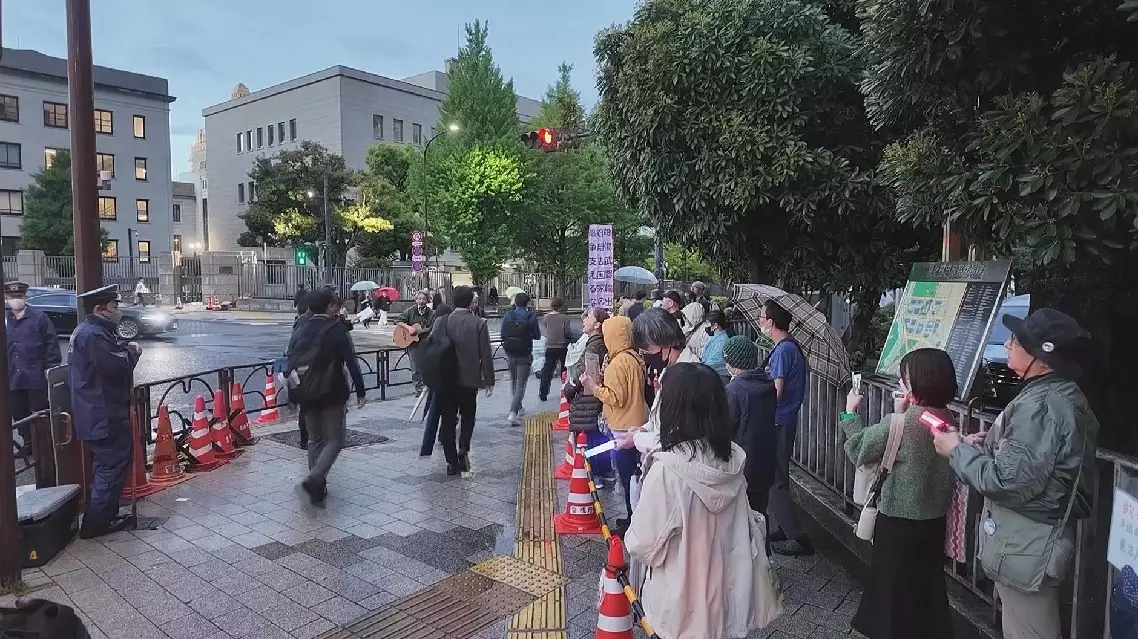
Japanese protesters rally against proposed revisions to three security documents