China on Monday urged the international community to resolve the escalating situation in the Strait of Hormuz through political and diplomatic channels, warning that the abuse of military means would only exacerbate tensions and create greater security risks.
Speaking at a UN Security Council open debate on maritime security, China's permanent representative to the United Nations, Fu Cong, emphasized that the stability and unimpeded flow of international shipping lanes are closely linked to peace and tranquility in surrounding regions, particularly among coastal states.
Only by persisting in dialogue and consultation, and promoting de-escalation and easing of hotspot issues such as the Strait of Hormuz, can a favorable environment for maritime security be created, according to Fu.
"The root cause of the obstruction in the Strait [of Hormuz] lies in the illegal military actions launched by the United States and Israel against Iran. Despite a provisional ceasefire arrangement having been reached, the United States has escalated its military deployments and undertaken targeted blockade operations. This is an extremely dangerous and irresponsible action," said the Chinese ambassador.
Fu stressed that the United Nations Convention on the Law of the Sea (UNCLOS), along with relevant international treaties and customary international law, collectively form the foundation of the modern international maritime order. All countries must interpret and apply UNCLOS completely, accurately, and in good faith, avoiding selective application and double standards.
Nations should exercise navigational rights and freedoms granted under international law in good faith, while earnestly respecting the sovereignty, security, and legitimate rights and interests of coastal states, thereby ensuring normal maritime commerce and unimpeded navigation, he said.
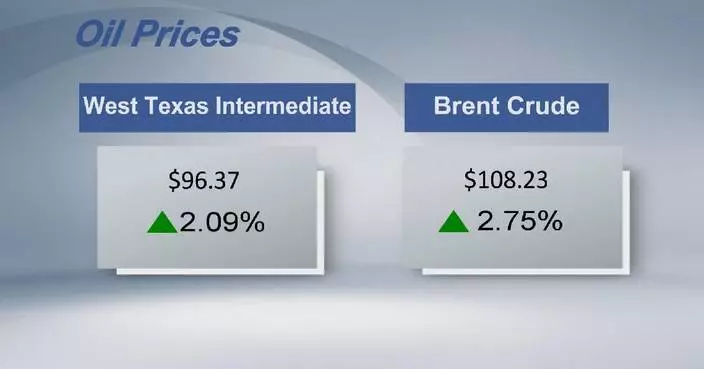
The continued closure of the Strait of Hormuz has sent global energy prices soaring and threatens to disrupt international trade and supply chains, raising concerns far beyond the Middle East.
During the Security Council debate, many states expressed concern over the security of the strategic waterway, freedom of navigation, and the risk of regional instability spilling over.
Iran tightened its grip on the Strait of Hormuz after Israel and the United States launched their joint strikes on Iran on Feb. 28. The United States also imposed a naval blockade targeting ships going to and from Iran, after peace negotiations between the two sides collapsed in Pakistan's Islamabad.
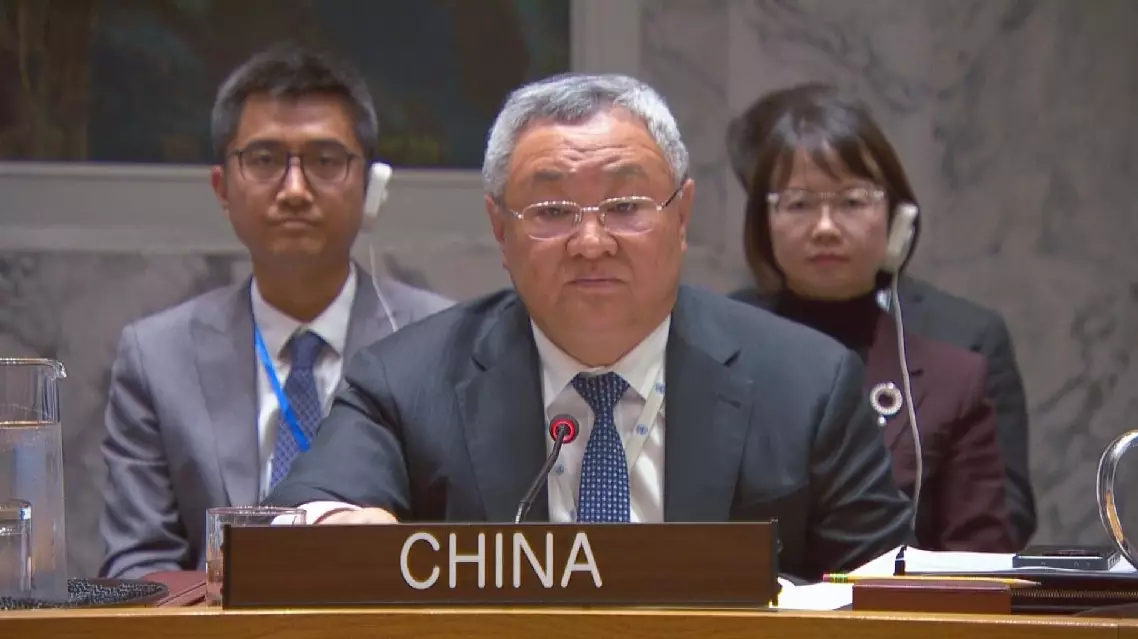
China calls for political, diplomatic efforts for reopening of Hormuz Strait