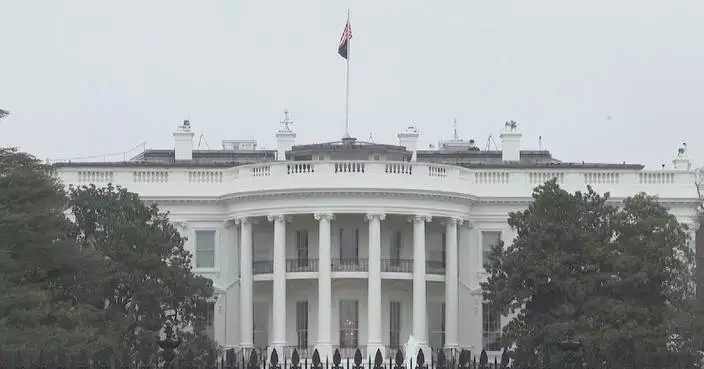
U.S. President Donald Trump met with his national security team on Monday to discuss a new proposal offered by Iran, White House Press Secretary Karoline Leavitt confirmed.
Leavitt said that it was unclear whether the meeting had concluded, but that the relevant proposal was indeed under discussion. However, she did not "want to get ahead of the president or his national security team" in making any statements.
Iran has informed mediators of a proposed three-phase framework for negotiations and said talks could resume if the United States agrees to it, according to Iranian media.
The first phase focuses on ending U.S.-Israeli aggression and securing guarantees that fighting will not resume against Iran and Lebanon. During this stage, Iran would not discuss any other issues. If agreement is reached on the first phase, discussions will move to a second phase centered on the management of the Strait of Hormuz. The third phase will address Iran's nuclear program.
Iran, through Pakistani mediators, has presented the United States with a new proposal to reopen the Strait of Hormuz and end the war, while postponing nuclear negotiations to a later stage, U.S. online media outlet Axios said Sunday, citing a U.S. official and two sources familiar with the matter.
The new proposal is aimed at breaking the current stalemate in the talks and bypassing the internal disagreements within the Iranian leadership about the scope of nuclear concessions it is willing to make, the report said.
However, reaching such a deal would leave Trump with little leverage to press Tehran to give up its stockpile of enriched uranium and suspend uranium enrichment, the report added.
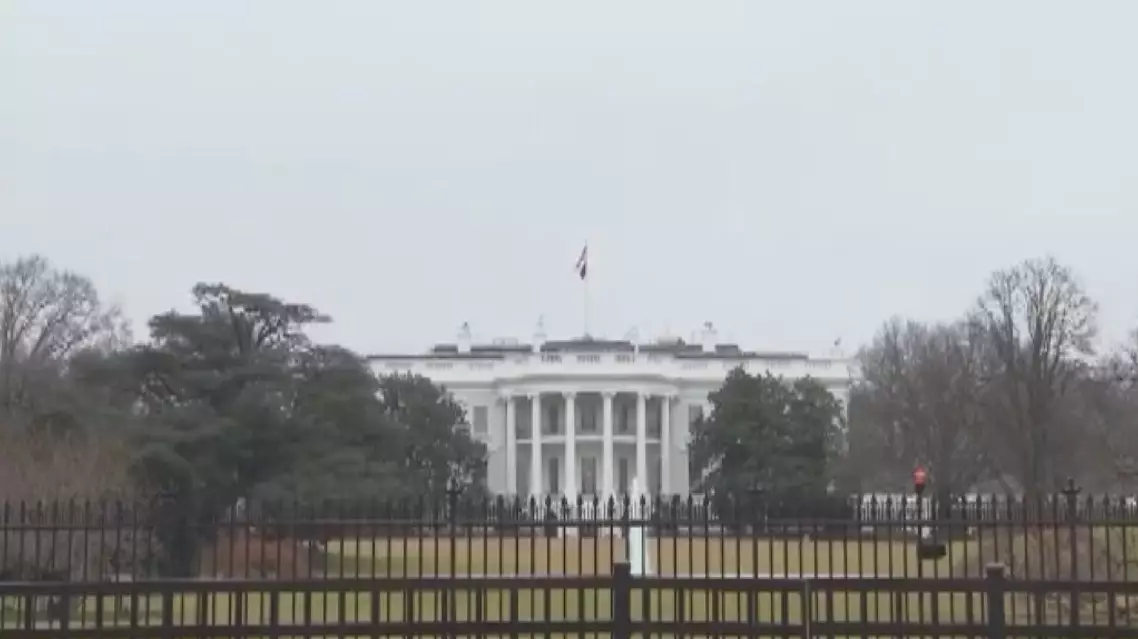
Trump meets with his national security team to discuss new Iranian proposal
As the lingering U.S.-Iran conflict over the Strait of Hormuz disrupts global oil and gas supply, the Asia-Pacific Economic Cooperation (APEC) forum's energy ministers met in Beijing Thursday to chart a way forward, on whether the region can turn the crisis into opportunities.
The disruption of the Strait of Hormuz since late February 2026 has caused the largest oil supply shock on record, with ongoing daily shortfalls in the multi-million-barrel range. This energy supply shock has exposed the structural vulnerabilities of the Asia-Pacific region, the world's largest energy-consuming area.
As the APEC host this year, China has taken an open and inclusive approach, creating a multilateral dialogue platform. At the current energy ministerial meeting, it is pushing for a full exchange of practical experience among economies and channeling shared wisdom into real cooperative results.
"Since the beginning of this year, navigation through the Strait of Hormuz has been disrupted. China has fully leveraged its energy production, supply and marketing system, actively strengthened cooperation with all other parties, and made important contributions to safeguarding global energy security," said Chinese Vice Premier Ding Xuexiang in addressing the meeting.
The APEC Energy Ministerial Meeting, returning to Beijing after a 12-year hiatus, took place at a critical juncture following this "stress test."
"From our end in Papua New Guinea, we face the impacts of the war in Iran. We are an import-based economy. It did affect us in a great way," said Conrad Kumul, a delegate from Papua New Guinea, on the sidelines of the meeting.
Yet, many see that crises can also serve as catalysts for energy transition.
"The idea now is to push very much forward with the energy transition, even more than before. Now actually, the oil prices are so high that the comparatively renewable energies are very low in price," said Steivan Defilla, president assistant of the APEC Sustainable Energy Center, a high-level international energy think tank led by China's National Energy Administration.
China will hold the 33rd APEC Economic Leaders' Meeting in Shenzhen, south China's Guangdong Province, in November, which marks the country's third time hosting the event following Shanghai in 2001 and Beijing in 2014.
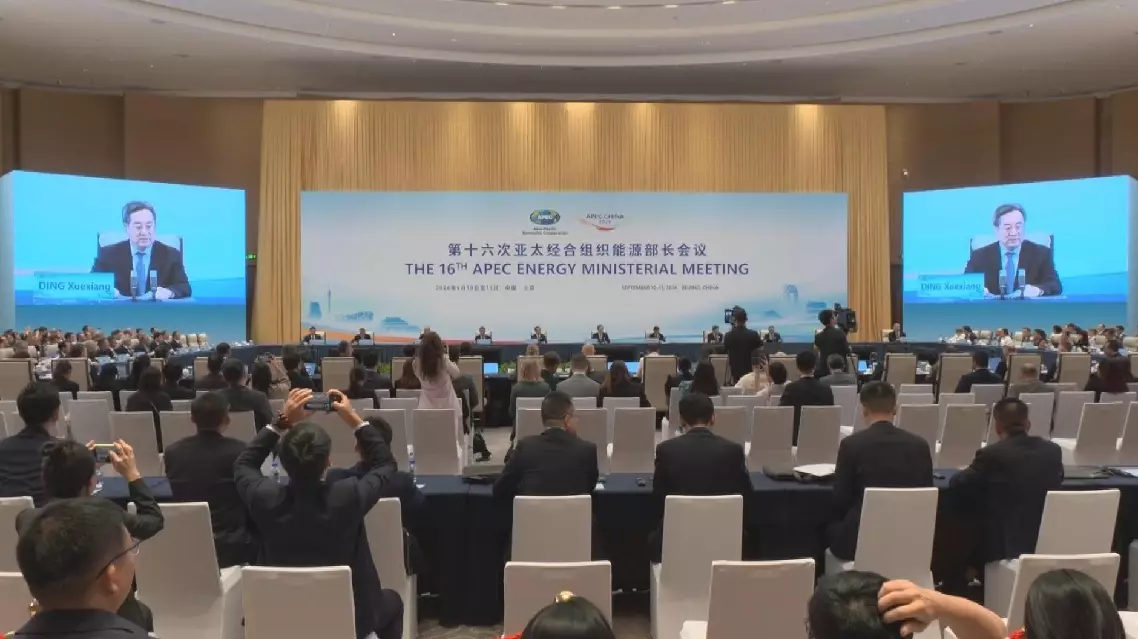
APEC ministers explore new pathways for energy security amid Hormuz crisis