Senior officials from key Chinese ministries have outlined specific measures for next year's economic work, with a focus on boosting the private economy, driving consumption, expanding opening-up, and promoting the healthy development of the real estate sector.
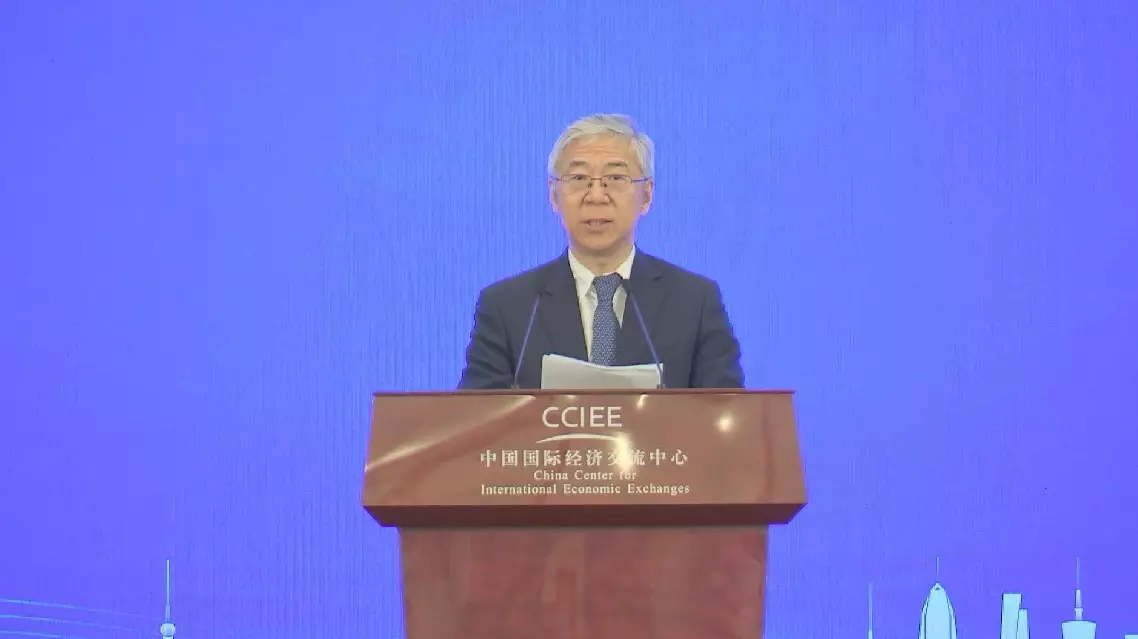
Deputy Director of the National Development and Reform Commission Zhao Chenxin, Vice Minister of Commerce Sheng Qiuping, and Vice Minister of Housing and Urban-Rural Development Dong Jianguo shared their insights at the Annual Conference on China's Economy, held in Beijing on Saturday. Hosted by the China Center for International Economic Exchanges (CCIEE), a leading public policy think tank, the conference seeks to harness collective wisdom to propel China's economic development.
At the event, Zhao announced that next year will see broader implementation of large-scale equipment upgrades and trade-in programs for consumer goods. Greater efforts will be made to support projects crucial for implementing major national strategies and enhancing security capacities in key areas. The government will encourage the healthy development of private capital and facilitate its participation in infrastructure projects.
Additionally, the deputy director of the country's top economic planning body highlighted the government's commitment to advancing key reform initiatives.
"We will draft guidelines for establishing a unified national market, eliminate local protectionism and market segmentation, and conduct comprehensive pilot reforms to deepen the market-driven allocation of production factors. A private sector promotion law will be introduced to safeguard the rights and interests of entrepreneurs. Other measures include strengthening regulation to ensure the healthy development of the platform economy and launching a special campaign to reduce logistics costs across society," Zhao said.
Sheng emphasized the importance of promoting consumption through incentive campaigns aimed at creating a vibrant consumer environment. Other efforts will include expanding service consumption, optimizing consumption structures, and cultivating new consumption models.
"We will steadily expand the opening-up of sectors such as telecommunications, the internet, education, culture, and healthcare. Meanwhile, we will support consumption in areas like culture and tourism, elderly care, childcare, and household services, with focus on enriching supply and diversifying consumption scenarios," Sheng said.
Dong outlined plans for stabilizing the property market and establishing a new development model for the sector. Reforms will be implemented to improve the sales system for commercial housing, with an emphasis on promoting ready-to-sell housing. For projects still under pre-sale arrangements, pre-sale funds will be more effectively regulated to prevent delivery risks, he said.
Furthermore, the vice minister of housing and urban-rural development emphasized the need for a comprehensive life-cycle safety management system for housing to identify and address safety issues in existing properties.
"At the industry level, we will guide the real estate sector toward a transition from rapid growth to high-quality development. At the enterprise level, real estate companies will be encouraged to shift from scale expansion to prioritizing the quality of their projects. Efforts will be intensified to build safe, comfortable, green, and smart homes," Dong said.
Senior Chinese officials outline specific measures for 2025 economic work