Chinese banks and insurance companies are stepping up efforts to launch new investment products and enhance related services to accommodate the growing demand for retirement planning following the country's expansion of the private pension program.
Starting December 15, China officially expanded its private pension scheme from 36 pilot cities and regions to the entire country.
As a supplementary pension insurance, this scheme is voluntary for individuals and operated in a market-oriented manner through support from national policies, according to a government notice. The notice encourages financial institutions to develop products that cater to long-term pension needs, such as personal pension savings and low-volatility or absolute return funds.
The China Securities Regulatory Commission (CSRC) has included the first batch of 85 equity index funds in the catalog of approved investment products for private pensions.
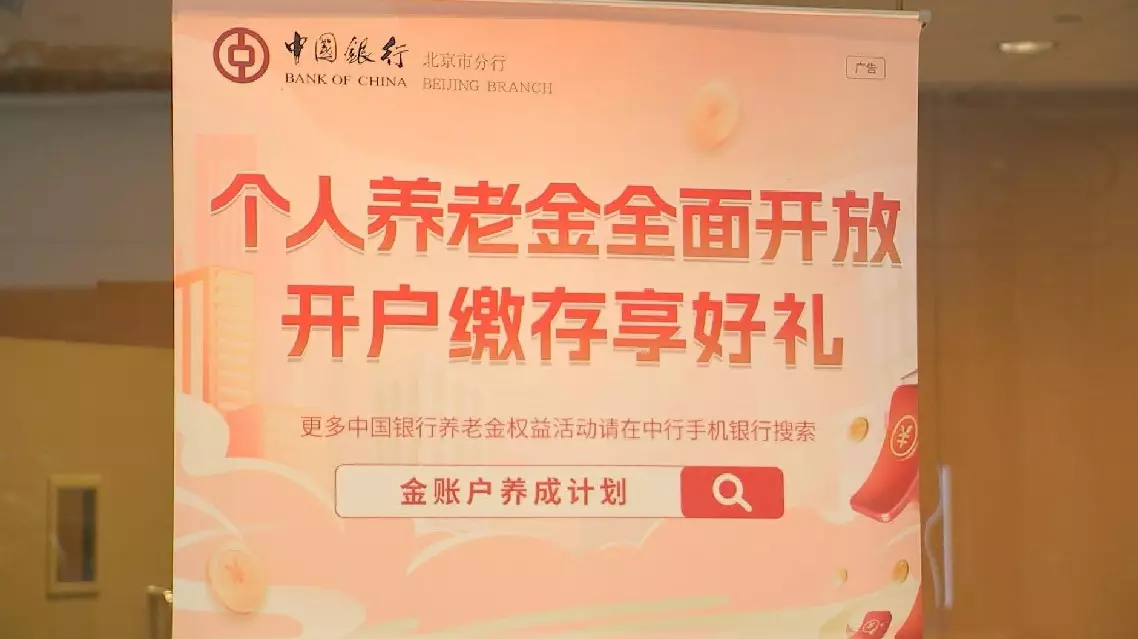
"We are planning to launch 27 [index fund] products on Monday, with that number increasing to 57 by next week. Our goal is to introduce eligible investment products under the private pension scheme as quickly and extensively as possible," said Zhang Xiaojing, senior manager of personal digital finance at Bank of China.
"Financial institutions including insurance companies will pay more attention to the diversified pension financial needs of residents throughout their life cycles. They will create a differentiated, diversified product system, especially expanding services for workers in flexible employment and emerging sectors," Wang Jing, director of Market and Channel Department at Guomin Pension, a firm established in 2022 under government guidance to support China's response to the enlargement of the country's aging population.
Meanwhile, the notice calls on financial institutions to enhance their service levels. Commercial banks are now required to provide more personalized services for participants changing their pension account bank or receiving their private pensions.
"We have developed a one-stop service system covering account opening, deposits, investments, asset growth, and withdrawals. We were among the first to launch a full range of investment products, including deposit funds, insurance, and other wealth management options. In addition, we introduced innovative services such as a tax-saving calculator, pension planning, and asset diagnosis for better asset allocation," said Jin Hua, deputy general manager of the Personal Financial Services Department at Industrial and Commercial Bank of China (ICBC).
Analysts said the nationwide roll-out of the private pension system will spur more innovation in financial products and services.
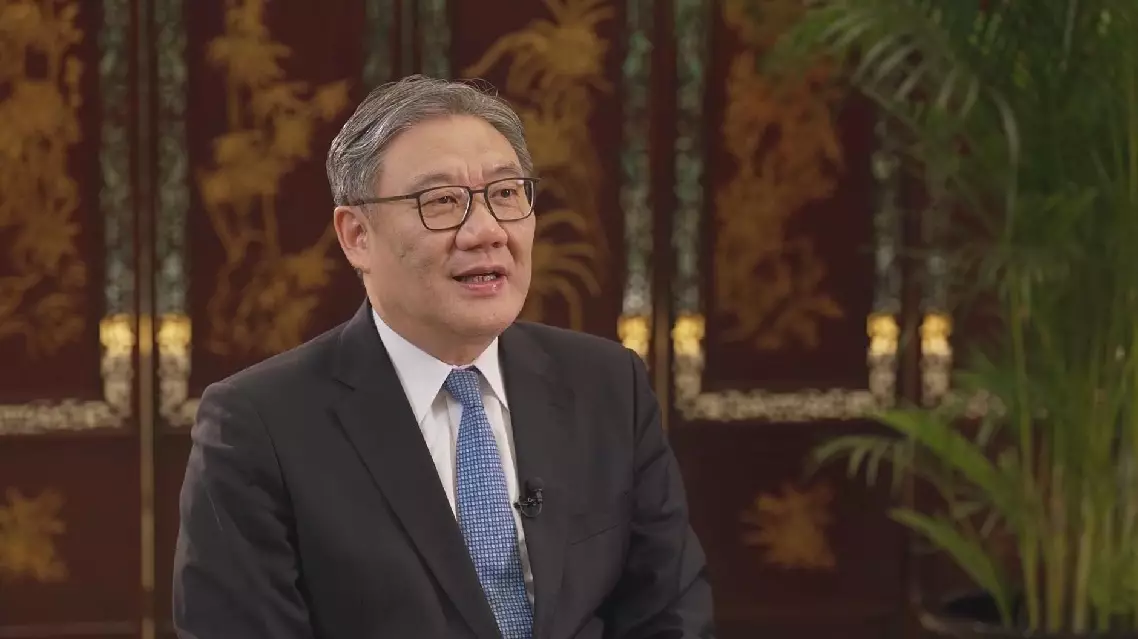
"The expansion of the private pension scheme will create more opportunities for financial institutions in terms of account opening and product sales, stimulating further innovation in products and services. Generally, for investors nearing retirement, stable options such as deposits and treasury bonds are recommended, while younger investors are advised to allocate more assets to finance products such as funds," said Dong Ximiao, chief researcher at Merchants Union Consumer Finance Company (Zhaolian Finance).
Financial institutions ramp up product offerings following expansion of private pension scheme