Skip to Content Facebook Feature Image

China extends visa-free transit stay to 240 hours, adds more entry points
China

China

China

China extends visa-free transit stay to 240 hours, adds more entry points

2024-12-17 12:43 Last Updated At:12-18 00:07

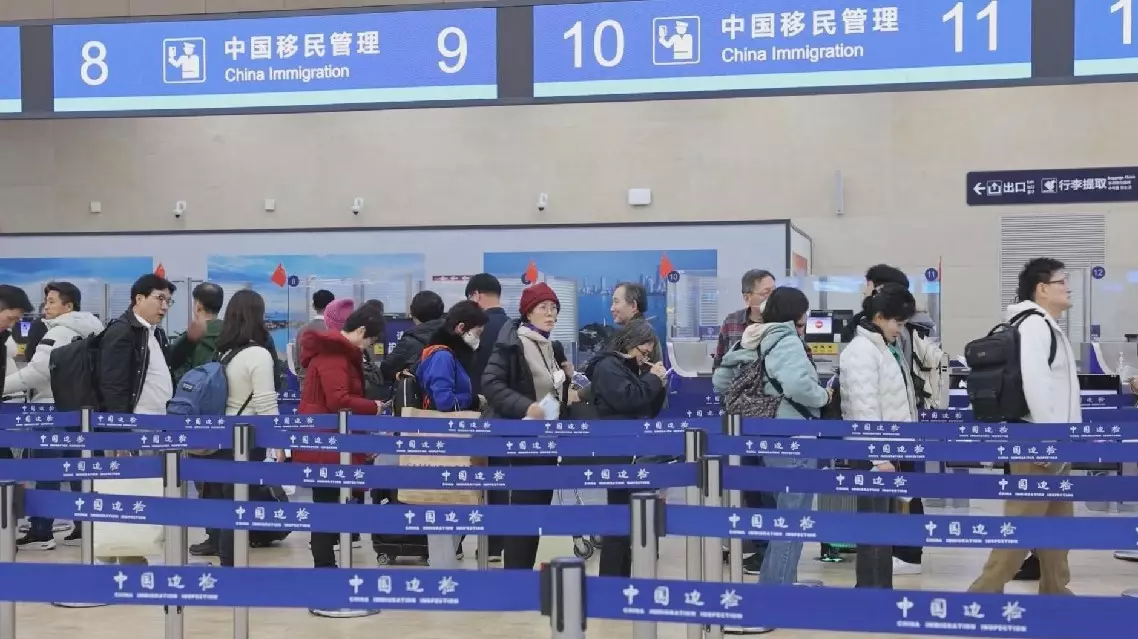
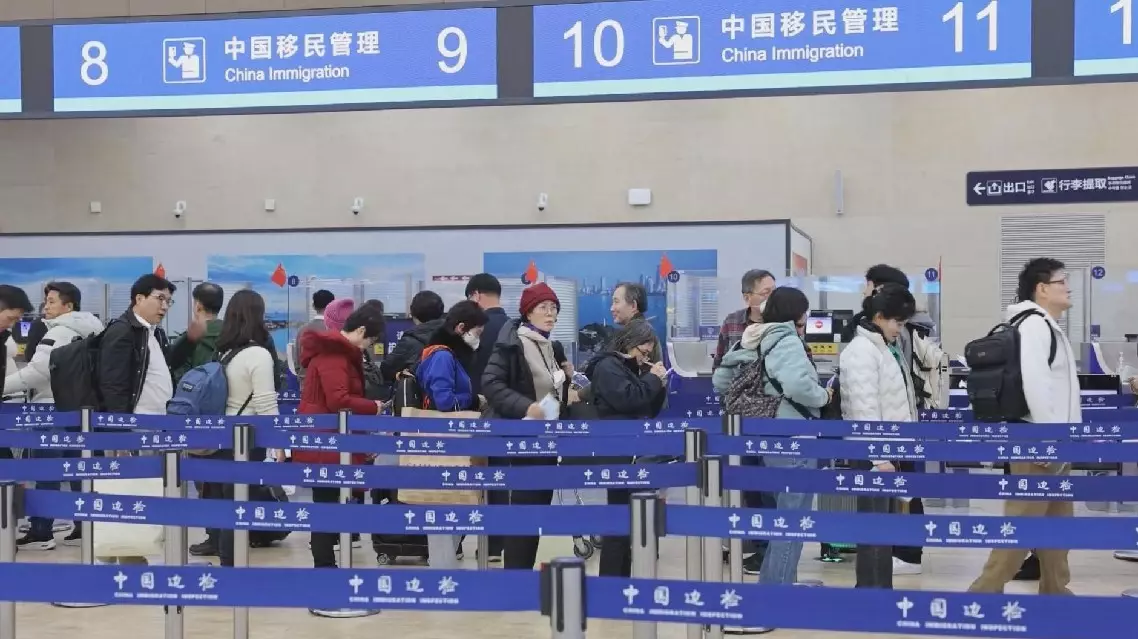
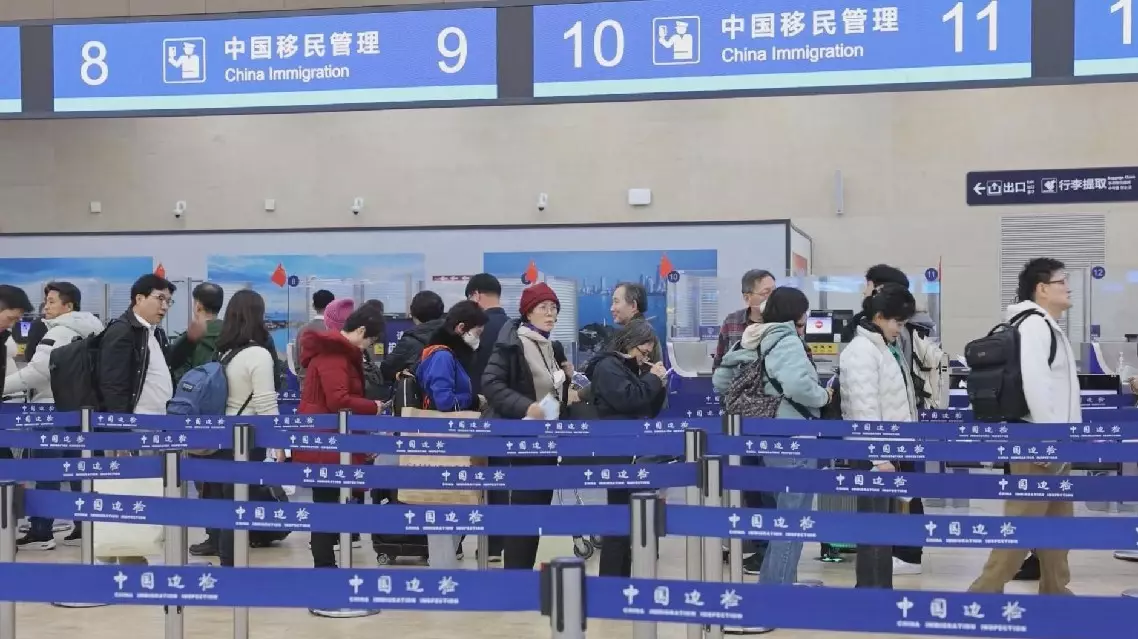
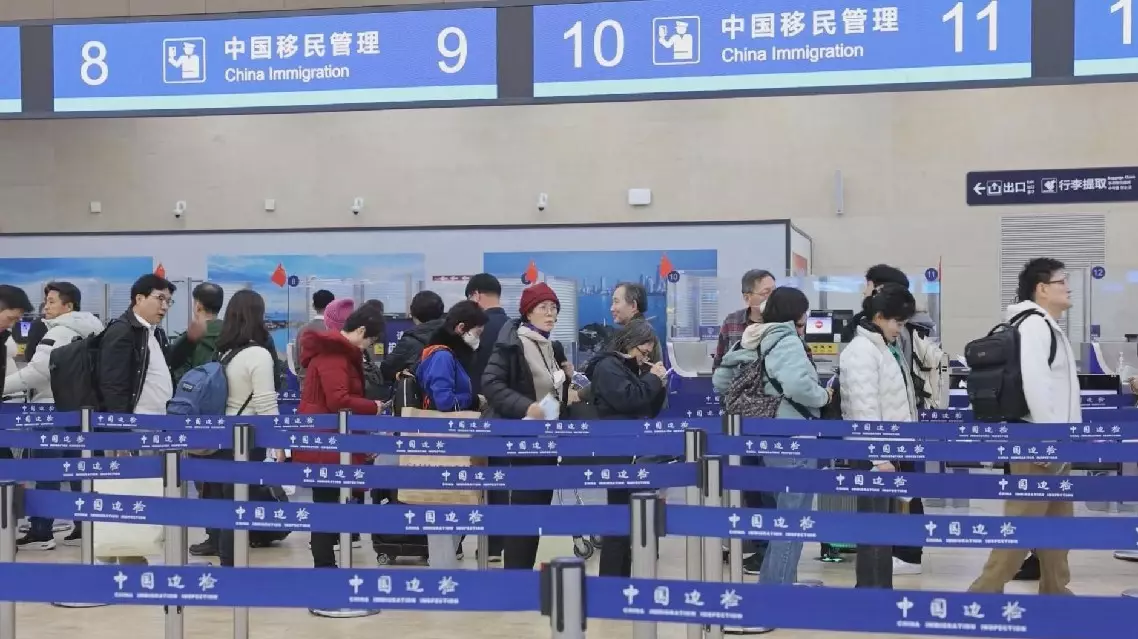
China announced on Tuesday a significant relaxation of its visa-free transit policy, extending the permitted stay for eligible foreign travelers from the original 72 and 144 hours to 240 hours, or 10 days.

Effective immediately, 21 additional ports have been designated for visa-free entry and exit, and the areas in which transit travelers can stay have been expanded, according to a statement from National Immigration Administration.

More Images
China extends visa-free transit stay to 240 hours, adds more entry points

China extends visa-free transit stay to 240 hours, adds more entry points
China extends visa-free transit stay to 240 hours, adds more entry points
China extends visa-free transit stay to 240 hours, adds more entry points
China extends visa-free transit stay to 240 hours, adds more entry points
China extends visa-free transit stay to 240 hours, adds more entry points

China extends visa-free transit stay to 240 hours, adds more entry points

China extends visa-free transit stay to 240 hours, adds more entry points
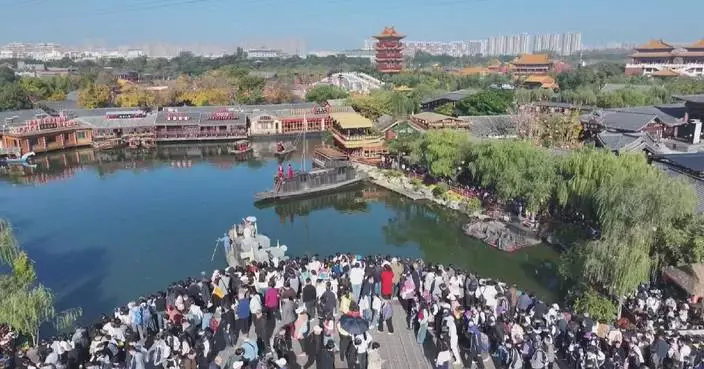
Under the updated policy, eligible citizens from 54 countries, including Russia, Brazil, Britain, the United States and Canada, can enter China visa-free when transiting to a third country or region.

These travelers may now enter through any of the 60 ports across 24 provinces, regions and municipalities, and stay within the designated areas for up to 240 hours.

A notable feature of the policy adjustment is the introduction of cross-regional travel that allows foreign visitors to move freely across the 24 specified provincial-level regions during their 10-day stay.

China recorded nearly 29.22 million inbound foreign visits between January and November 2024, up 86.2 percent year on year. Of these, 17.45 million entered the country visa-free, marking a significant growth of 123.3 percent year on year.

China extends visa-free transit stay to 240 hours, adds more entry points

China extends visa-free transit stay to 240 hours, adds more entry points

China extends visa-free transit stay to 240 hours, adds more entry points
China extends visa-free transit stay to 240 hours, adds more entry points

China extends visa-free transit stay to 240 hours, adds more entry points

China extends visa-free transit stay to 240 hours, adds more entry points

China extends visa-free transit stay to 240 hours, adds more entry points

China extends visa-free transit stay to 240 hours, adds more entry points

The Israeli military on Tuesday ordered residents of about 80 towns and villages in southern Lebanon to evacuate, triggering a mass exodus along the Tyre-Sidon highway as intensified air strikes drove tens of thousands from their homes.

Vehicles stood bumper to bumper for kilometers, with pickup trucks stacked high with mattresses, blankets and plastic bags inching north as horns blared in restless bursts. The exodus reflected a widening wave of displacement as Israeli strikes pounded border villages.

"I came from the village of Al-Qusaybah. We left at dawn yesterday. We heard the first sound of bombing and left. We came to Al-Zarariya and stayed with people until morning. There were reconnaissance planes above us, then Al-Zarariya was bombed, so we came here. It took us more than 12 hours to reach Sidon. We arrived in Sidon at 00:30. We slept in the car with our young children. In the morning, we searched among the schools and found this one, but there was no room. I asked them, 'Should I stay on the street with my young children? Let this be a temporary place until we find another place. We waited, they registered our names, and welcomed us. May God bless them," said Haidar Haidar, a displaced Lebanese, who founded a school, which serves as a temporary shelter for homeless people in Sidon.

"I come from Jwaya, in the district of Tyre. The problems we have suffered in relation to displacement are heartbreaking, in every sense of the word. Children are sleeping in the streets, the elderly are sick, and the economic situation is dire. The state is aware of this, even without us talking about it. There is economic and commercial exploitation that people cannot bear, and we as a people have not healed from the first wound before the second wound opened. I demand that our prime minister say that we are under the protection of the state and under the protection of the Lebanese authorities, who have not cared about their people or any citizen until now," said Zeinab, another displaced Lebanese.

Wafa Shuayb, Public Relations Officer at Disaster Management Office of Sidon, warned that shelters have reached capacity, with 19 centers already housing more than 7,000 displaced people and no space to open new ones.

"Today, we have approximately 19 centers and no space to open new ones. We have more than 7,000 displaced people in the centers, and we need everything, from basic items such as mattresses, blankets, and hygiene kits to anything that can help people get on with their lives at this stage. We appeal to everyone: those who can provide daily meals from local associations, mattresses and blankets, bathroom maintenance, anything. We need everything at this stage to support everyone, and we appeal to anyone who can help us so that we can continue," she said.

Lebanese disaster management authorities reported Tuesday that 58,064 people have been displaced nationwide amid escalating hostilities with Israel, including 12,539 families. The surge in displacement reflects intensifying air strikes and cross-border fire, which have driven mounting casualties and placed growing strain on emergency response systems.

Thousands flee southern Lebanon as Israel orders evacuations amid escalating strikes

Thousands flee southern Lebanon as Israel orders evacuations amid escalating strikes

Recommended Articles