The Communist Party of China (CPC) and the Lao People's Revolutionary Party (LPRP) on Tuesday held their 12th theory seminar in Xi'an, capital of northwest China's Shaanxi Province, sharing experience in the improvement of development mechanisms.
Li Shulei, a member of the Political Bureau of the CPC Central Committee and head of the Publicity Department of the CPC Central Committee, and Kikeo Khaykhamphithoune, a member of the Political Bureau of the LPRP Central Committee and deputy prime minister of Laos, attended the seminar and delivered keynote speeches.
Noting that China and Laos are friendly socialist neighbors, Li said that in recent years, the general secretaries of the two parties have been steering the construction of a China-Laos community with a shared future in the new era and providing guidance for the development of relations between the two parties and countries.
The CPC Central Committee has put forward a series of new strategies since the 18th CPC National Congress in 2012, leading to historic achievements in China's economic development, Li said.
He said China upholds and is strengthening the Party's overall leadership over economic work, adheres to a people-centered development philosophy, and is continuously improving the institutional mechanisms related to the promotion of high-quality economic development.
China is also coordinating deepened reforms with high-level opening-up, and achieving healthy, sustained economic development while improving the quality of life of its people, Li said.
The Lao side expressed its willingness to work with China to implement the important consensus reached between the top leaders of the two countries, as well as its readiness to enhance political mutual trust and deepen exchanges related to publicity, ideology and culture.
Prior to the seminar, Li met with the Lao delegation.
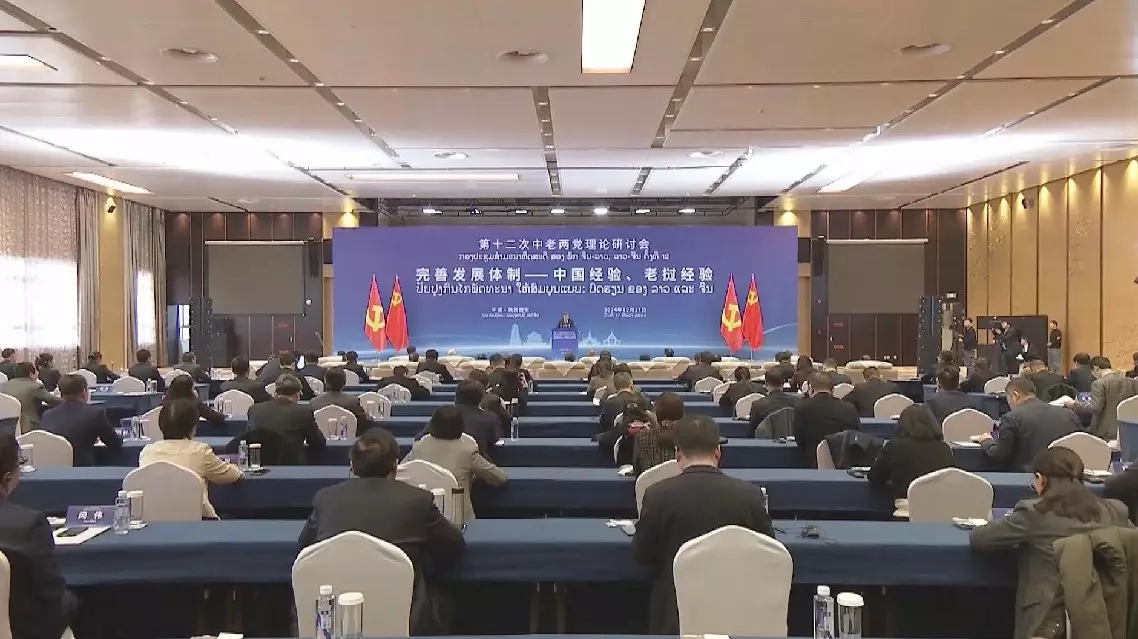
Chinese, Lao political parties hold 12th theory seminar in Xi'an
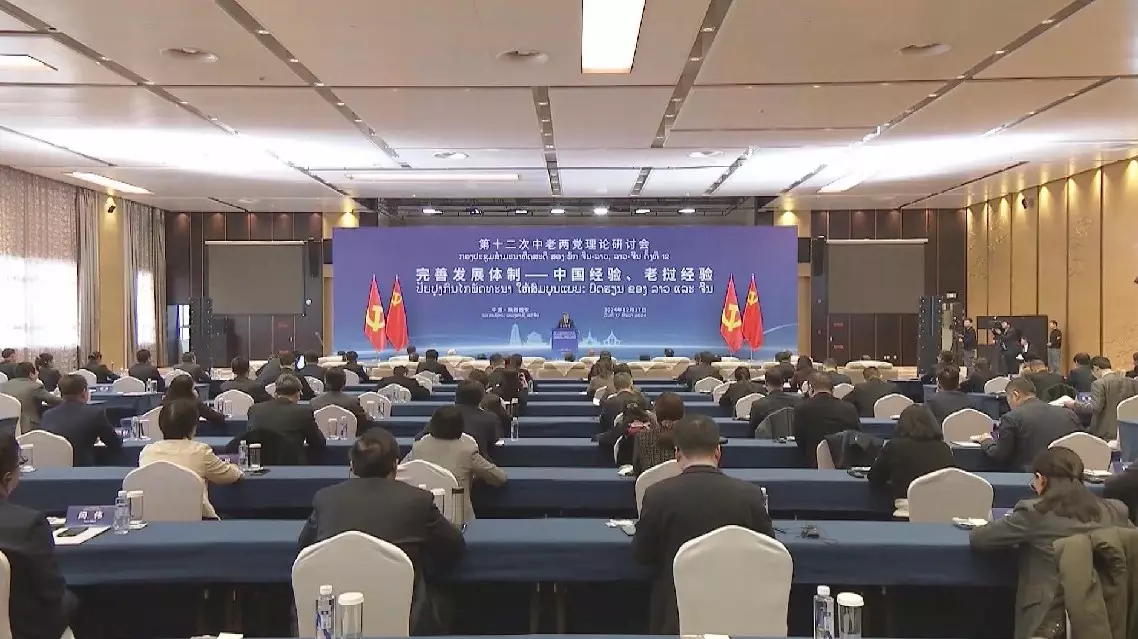
Chinese, Lao political parties hold 12th theory seminar in Xi'an
The newly passed National Development Planning Law will better support China's development objectives by ensuring the continuity, stability, and authority of national development plans through institutional measures, according to a senior legislative affairs official in Beijing.
The law was adopted on Thursday by the National People's Congress (NPC) , the supreme organ of state power, at the closing meeting of its annual session. It will govern how the country formulates and carries out its five-year development plans, formalizing a system that has long guided the world's second-largest economy. Drawing on China's long-standing experience in national development planning, the law codifies proven practices into a legal framework and aims to reinforce the strategic guiding role of national development plans.
Tong Weidong, director of the State Law Department of the Legislative Affairs Commission under the Standing Committee of NPC, said the law will help legalize and standardize national development planning.
"Formulating and implementing five-year plans have long been the 'winning formula' behind China's rapid economic growth and enduring social stability. China has implemented 14 consecutive five-year plans, achieving remarkable success and accumulating valuable experience that must be carefully reviewed. This session of the NPC deliberated and approved the National Development Planning Law, elevating our long-standing and well-established practices and experience in formulating and implementing national development plans into legal provisions. Strengthening institutional achievements through legislation will promote the legalization and standardization of national development planning," he said.
He said the law will boost the continuity, stability, and authority of national development plans going forward.
"Since the start of reform and opening up, the implementation of every five-year plan has been notably effective. Many plans have even exceeded their targets ahead of schedule. The National Development Planning Law includes provisions to ensure the continuity and stability of national development planning. The law enhances continuity, stability, and authority of national development plans through institutional measures such as stronger policy coordination and resource allocation, stricter procedural requirements for plan adjustments, and greater oversight by the NPC. This provides stable expectations for investment from both domestic and foreign capital," said the official.

Newly adopted development planning law to better serve China's development goals: legislative affairs official