The rapid spread of highly pathogenic H5N1 bird flu among wildlife and some humans has prompted the World Health Organization (WHO), the Food and Agriculture Organization (FAO), and the World Organization for Animal Health (WOAH) to jointly call for One Health response on Tuesday to address global risks.
One Health refers to a holistic and collaborative approach to health crises, spanning sectors and disciplines.
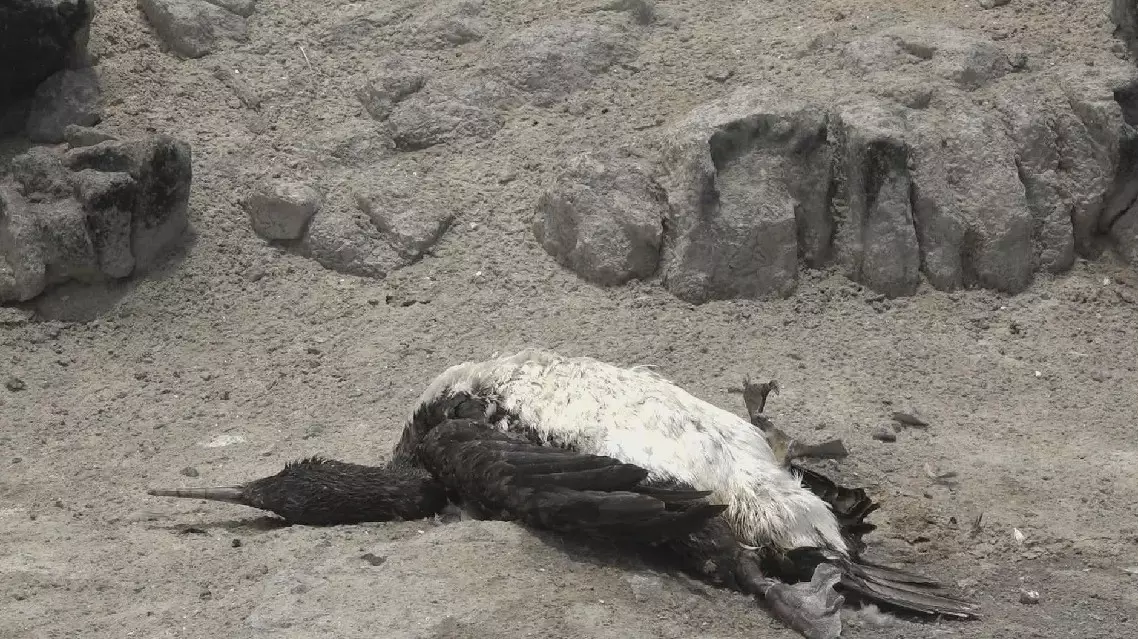
In an update on the global situation, Gregorio Torres, head of the Science Department of the WOAH said the disease has caused the deaths of more than 300 million birds worldwide since October 2021.
More than 500 bird species and over 70 mammalian species have been infected with the virus, according to Dr. Madhur Dhingra, a senior animal health officer of the FAO.
Dhingra warned that hundreds of millions of people's livelihoods have been affected by the virus.
In 2024, 76 people have been reportedly infected with the virus, according to Maria Van Kerkhove, director of the Epidemic and Pandemic Threat Management of WHO.
The three UN agencies called for a multi-sector collaborative response and a close watch on human-animal interaction, stressing that the protection of animal species and food systems is as important as preventing human infections.
UN agencies call for multidisciplinary approach to tackling H5N1 avian influenza
UN agencies call for multidisciplinary approach to tackling H5N1 avian influenza
UN agencies call for multidisciplinary approach to tackling H5N1 avian influenza
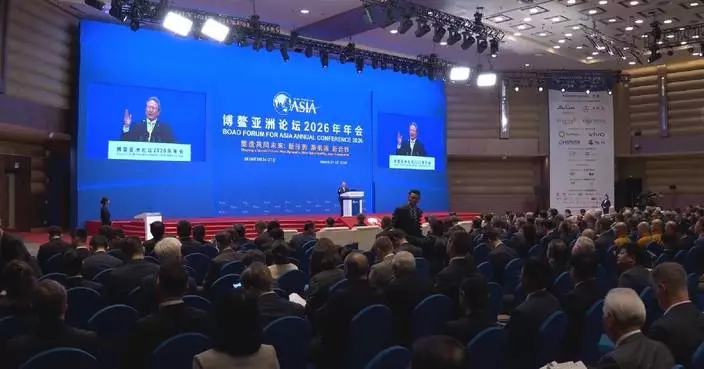
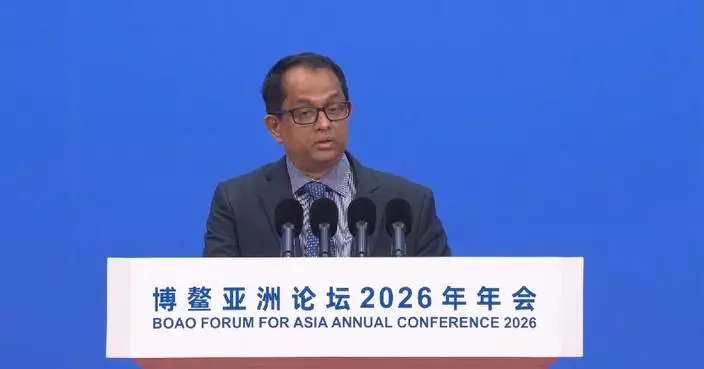
Global institutions are being weakened at a time when they should be reinforced, the well-known Singapore scholar, Kishore Mahbubani, warned on Wednesday at the ongoing Boao Forum for Asia (BFA) Annual Conference 2026 in south China's Hainan Province.
Mahbubani, founding dean of the Lee Kuan Yew School of Public Policy of the National University of Singapore, spoke at a BFA high-level panel themed "Injecting Certainty into an Uncertain World." He said that all humanity lives in a small global village, pointing to challenges ranging from climate change and financial crises to oil price volatility as evidence of interconnectedness.
"We are entering a new era of world history and that new era is marked very clearly. The data is there. By the end of the era of Western domination of world history and the return of Asia, all of humanity now, all eight billion of us, we used to think that we live in a very large planet Earth. No, we no longer live in a large planet Earth. We live in a small global village. And every day you get evidence that we are living in a small global village. And if you look at the challenges that we face, whether it's climate change, global financial crisis, oil prices, one village that we live in," said Mahbubani.
Mahbubani warned that weakening global governance could prove a serious mistake, but remained optimistic, saying that solutions exist and humanity can still build a more certain world.
"We are weakening institutions of global governance at a time when we should be strengthening them. And I think when future historians write about our time, they'll see it as an act of great folly on our part for failing to strengthen our global village councils at this time. So at the end of the day, even though I have emphasized that the challenges that we face, enormous, there are solutions, and we shouldn't despair. We can create a world of certainty," said Mahbubani.
The BFA Annual Conference 2026 opened on Tuesday with the theme of "Shaping a Shared Future: New Dynamics, New Opportunities, New Cooperation." It will run to Friday.
Founded in 2001, the forum has grown into a key platform for addressing Asian issues and strengthening cooperation both within the region and globally.
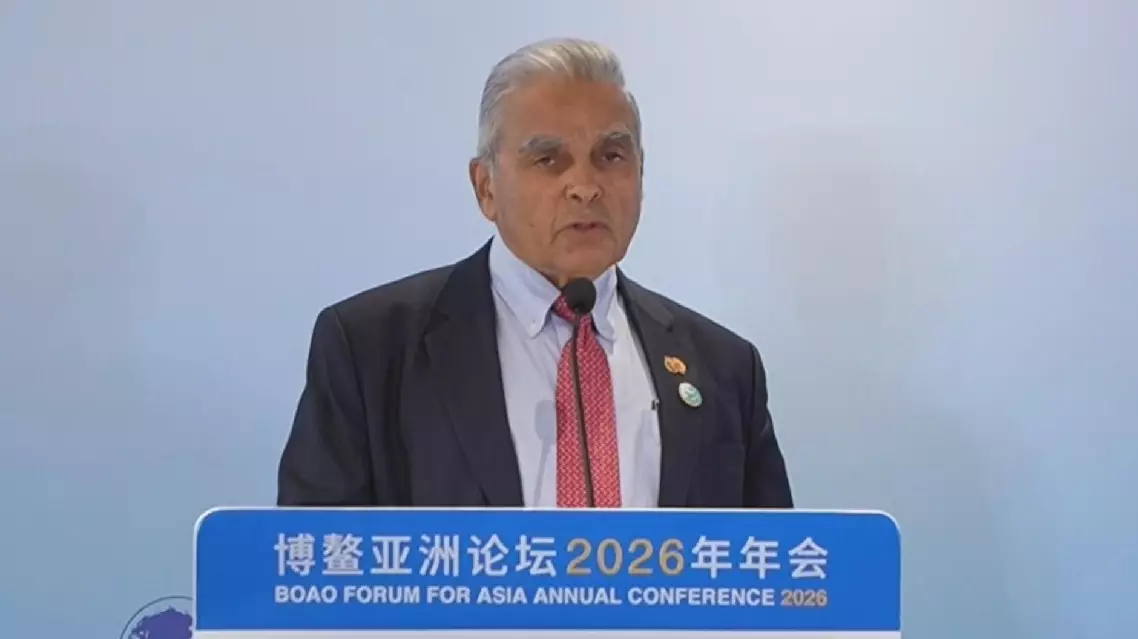
Well-known Singapore scholar warns of weakening global governance, stresses certainty achievable