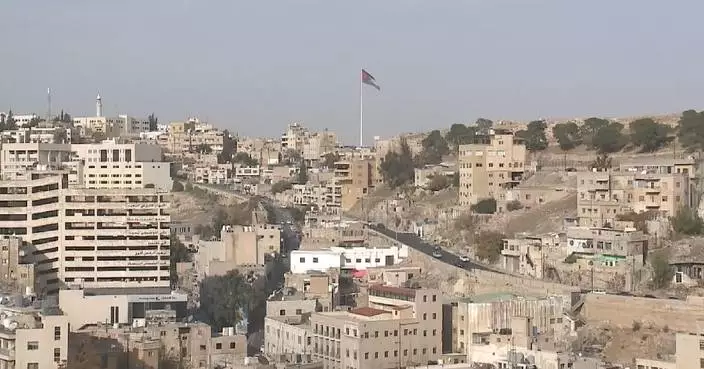
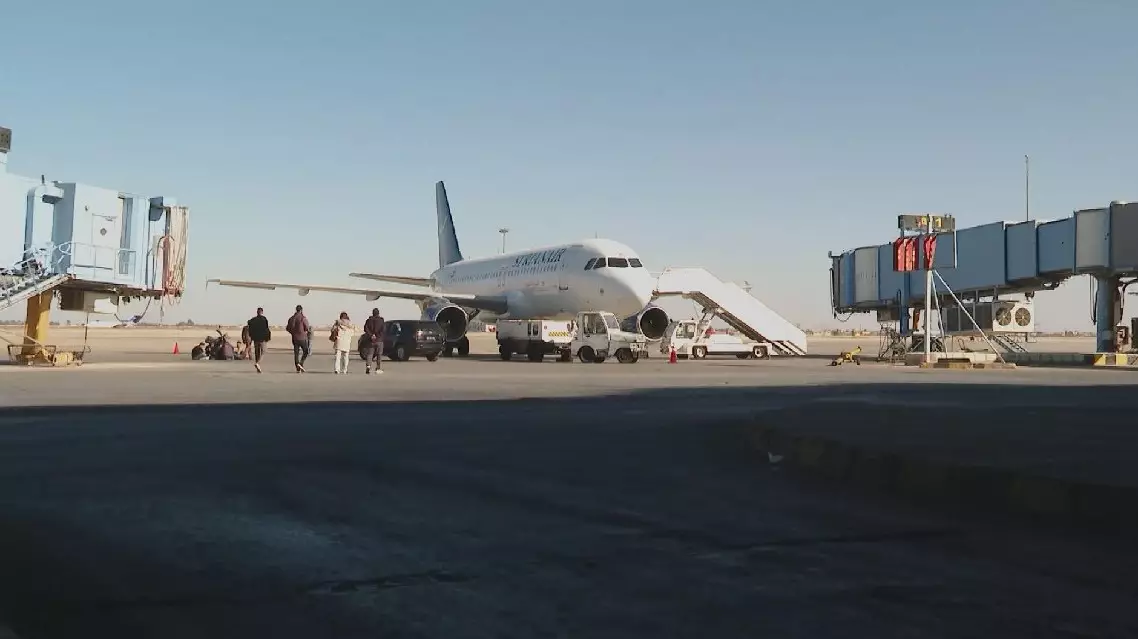
The airports in Aleppo and Damascus will resume international flights soon, said an official of Syrian Airlines Wednesday after the Damascus International Airport in Syria's capital reopened for domestic flights on the same day.
Cleaners were seen mopping the floor in the hall of Damascus International Airport, and part of its staff have returned to work. On Dec 8, planes and properties of the airport sustained severe damage.
"The airport suffered extensive damage. Its properties and the equipment on the planes were also severely damaged. We have conducted necessary repairs and fixed the problems," said Yousef Alkhalil, technical director of Syrian Airlines.
The airport is ready to receive international flights in the coming days, said the airport official.
Apart from Damascus International Airport, the airport in Aleppo has also resumed operation for flights. Syrian Airlines said as domestic operation gradually recovers, the company expects to resume international flights in days to come.
"The international airports in Aleppo and Damascus are ready to receive domestic flights, and for the international flights, they will be resumed in the following days," said Kerr, safety director of Syrian Airlines.
Airports in Aleppo, Damascus to resume international flights in days
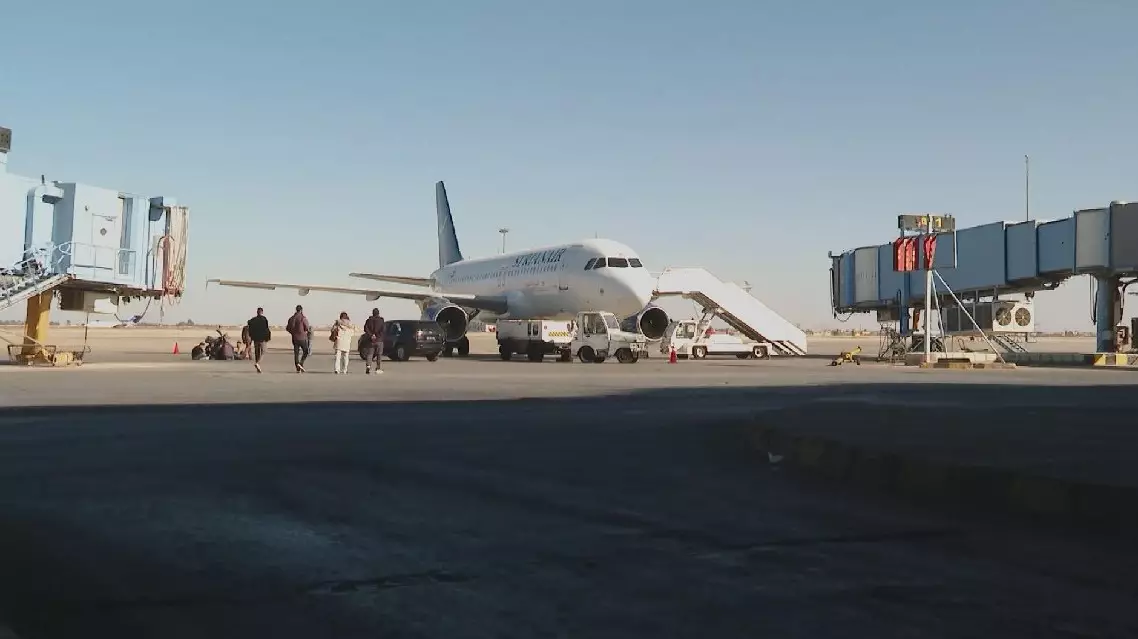
Airports in Aleppo, Damascus to resume international flights in days
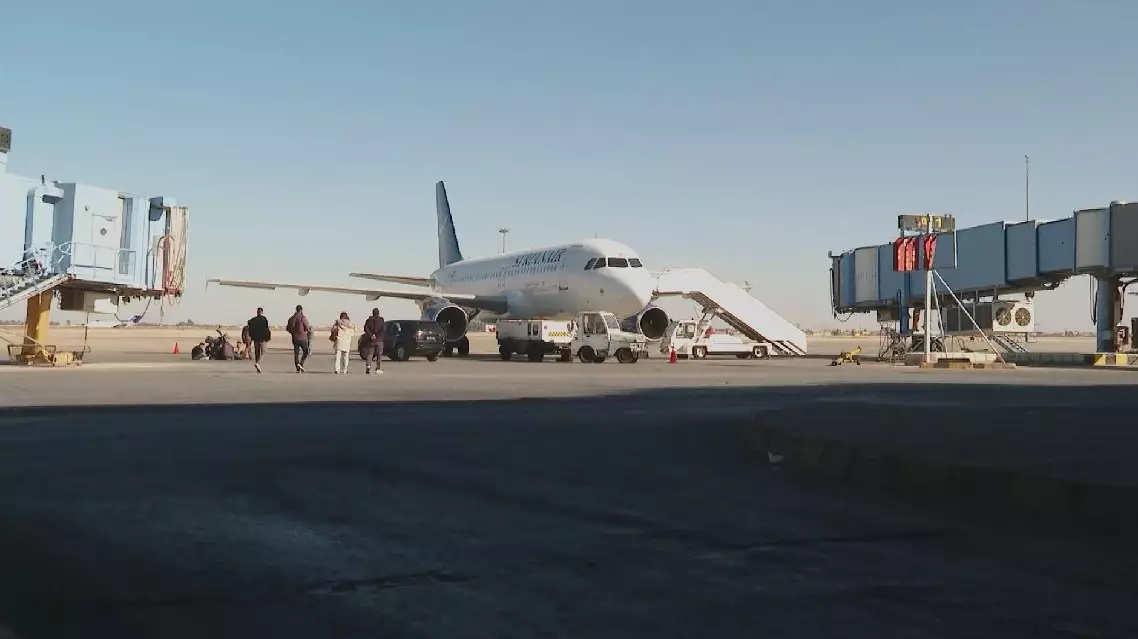
Airports in Aleppo, Damascus to resume international flights in days
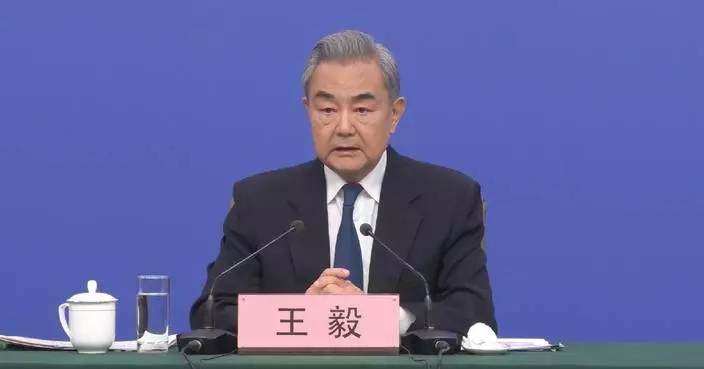
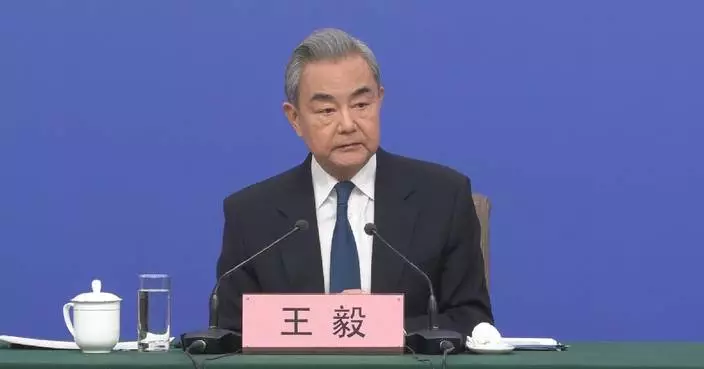
Chinese Foreign Minister Wang Yi said Sunday that the international landscape should be based on an equal and orderly multipolar world where every nation can find its place and play its role, stressing that global affairs cannot be dominated by a handful of major countries.
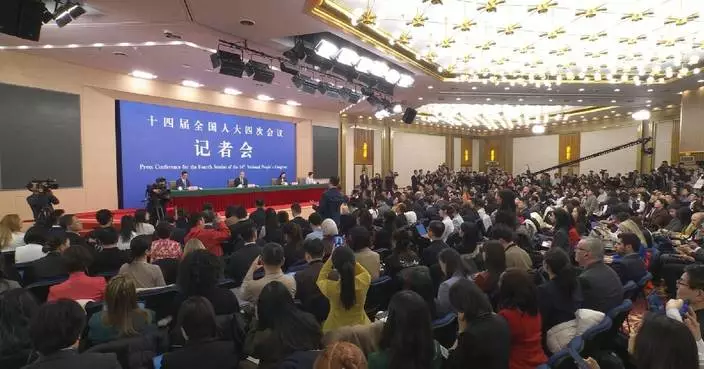
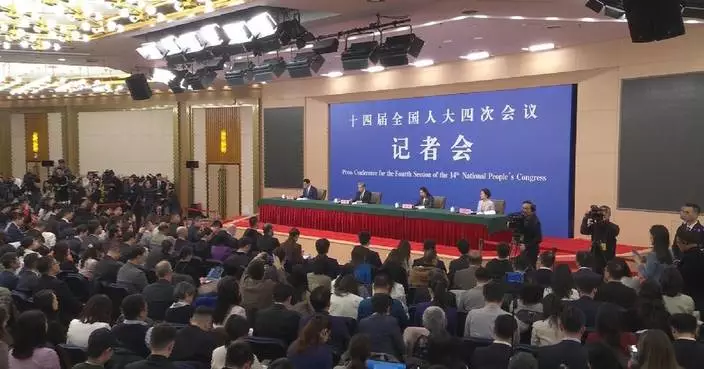
Wang was speaking at a press conference on the sidelines of the ongoing fourth session of the 14th National People's Congress, China’s national legislature, during which he elaborated on China’s proposition on how the international landscape should evolve.
"There is no doubt that China and the United States have a significant impact on the world, but we should not forget there are more than 190 countries on our planet. World history has always been written by all the countries together, and the future of humanity will be forged through the collective efforts of all nations. Diversity is the inherent nature of human society, and multipolarity is what the international landscape should look like," he said.
Wang said China rejects the path of hegemony and the idea that global governance can be run by a few powerful states.
"Looking back into history, great-power rivalry and bloc confrontation have invariably inflicted disaster and pain on humanity. Therefore, China will never take the beaten path of seeking hegemony as its strength grows, nor do we subscribe to the logic that the world can be run by major countries. China has inscribed in its Constitution that it follows an independent foreign policy and is committed to pursuing a path of peaceful development. Chinese leaders have often declared to the world that no matter how the international situation evolves and how strong China becomes, it will never seek hegemony or expansion," Wang said.
The foreign minister also outlined China's vision for the international landscape, where all nations, regardless of size or strength, are equal members of the international community.
"As for how the international landscape should evolve, China's proposal is to build an equal and orderly multipolar world. 'Equal' means every nation, regardless of size or strength, is an equal member of the international community, and can find its place and play its role in a multipolar world. 'Orderly' means all countries should uphold the widely recognized international rules, namely the purposes and principles of the UN Charter and the basic norms of international relations," said Wang.
He also said countries around the globe should shoulder their responsibilities to build a multipolar, rules-based world, underpinned by international law.
"Building an equal and orderly multipolar world should be the common responsibility of all countries. With more resources and capabilities, major countries should be more generous, shoulder more responsibilities, and set an example of observing rules, honoring commitments and upholding international law. China will continue to play a constructive role in reforming global governance, and work with all countries toward a multipolar world," Wang said.
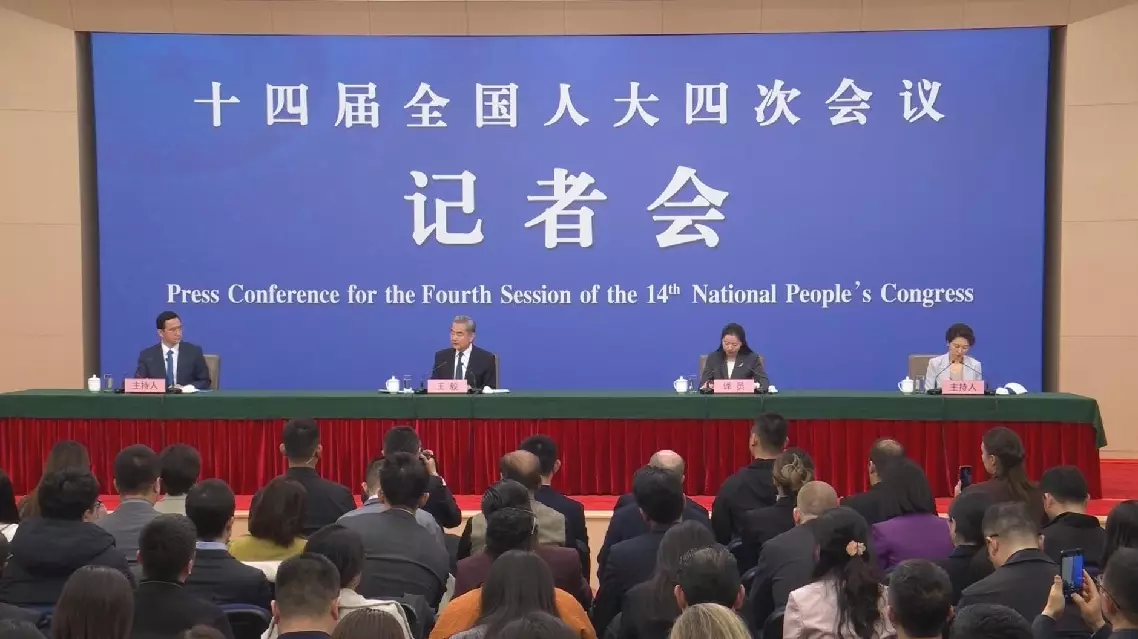
Int’l landscape should be based on equal, orderly multipolar world: Chinese FM