Skip to Content Facebook Feature Image

Chinese medical team provides critical aid to Vanuatu earthquake victims
China

China

China

Chinese medical team provides critical aid to Vanuatu earthquake victims

2024-12-23 21:27 Last Updated At:12-24 14:57

Despite limited medical resources, a group of medical specialists from China has been doing their best to assist and treat victims of Vanuatu's recent devastating earthquakes.

A 7.3-magnitude quake struck the Pacific island nation on Tuesday, claiming at least 14 lives, injuring over 200 people, and causing widespread damage, including flattened homes and destroyed vehicles.

More Images
Chinese medical team provides critical aid to Vanuatu earthquake victims

Chinese medical team provides critical aid to Vanuatu earthquake victims
Chinese medical team provides critical aid to Vanuatu earthquake victims
Chinese medical team provides critical aid to Vanuatu earthquake victims
Chinese medical team provides critical aid to Vanuatu earthquake victims

Chinese medical team provides critical aid to Vanuatu earthquake victims
Chinese medical team provides critical aid to Vanuatu earthquake victims
Chinese medical team provides critical aid to Vanuatu earthquake victims
Adding to the devastation, a 6.1-magnitude quake struck again in the early hours of Sunday.

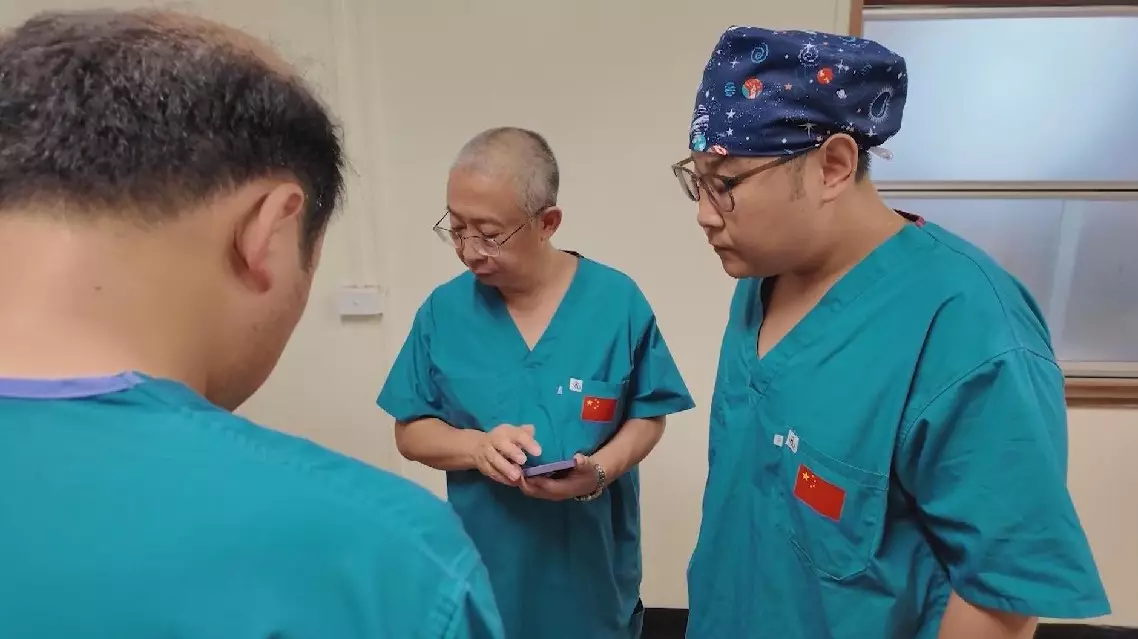
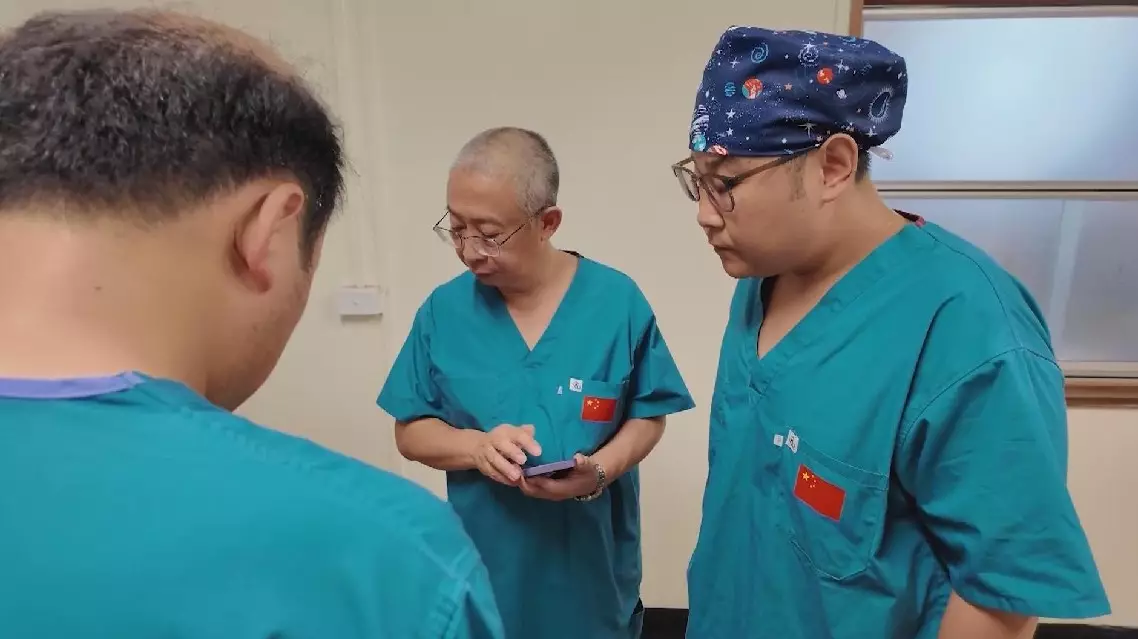
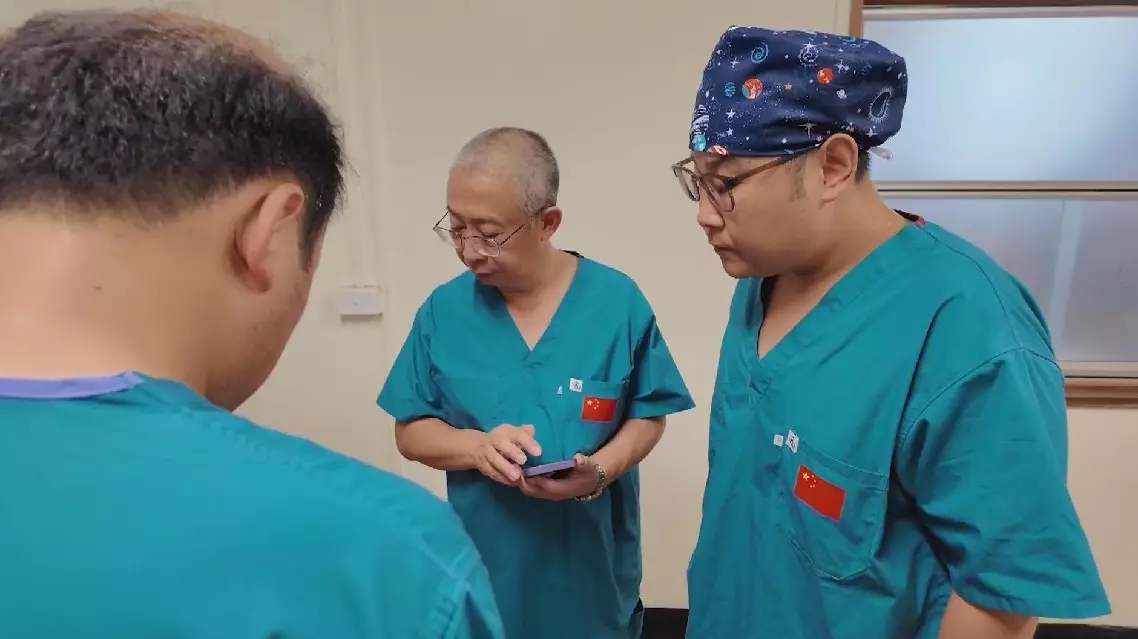
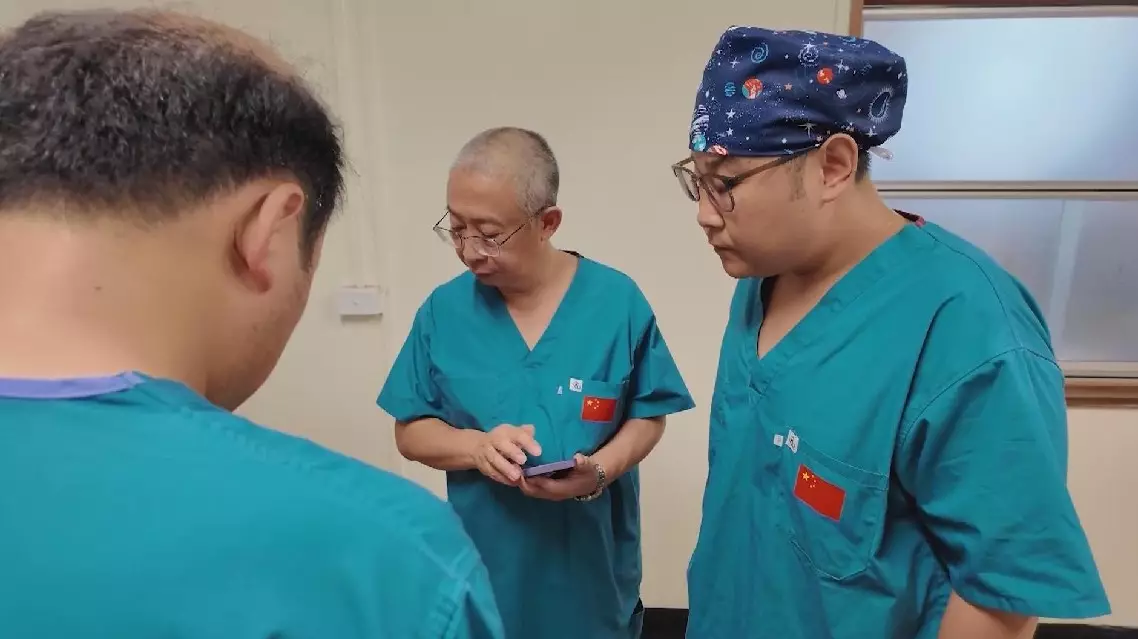
Amid the chaotic rescue efforts, a team of eight doctors and one nurse from China, who have been in Vanuatu since early September for a year-long rotation, is racing against time to assist patients at the Vila Central Hospital, the only hospital in the capital, Port Vila.

"Most of the patients suffered from fractures to the limbs -- arms or legs or hands," said Chen Mulei, leader of the medical team.

The hospital itself was also damaged in the earthquake.

"At the beginning, there's no electricity, there's no water and some medicine dropped off the walls," said Dr. Wang Rui.

The hospital quickly became overwhelmed with casualties, and to make matters worse, the operating theater was damaged and remained closed even days after the quake. As a result, all surgeries had to be moved to another part of the hospital.

"Each day we come here in the morning at about 08:00 to help all the rounds and see the seriously ill patients. And also in the afternoon and each night, we are on call. They moved [patients] to the ICU to do the operations. The operation room is very small and the resources are not enough. So there's limited treatment of the patients," the leader said.

"The most important [thing] is to reorganize the hospital and make sure every doctor has their job to treat the patients and the most important is the [work] of surgeons," Dr. Wang said.

Despite the obstacles and challenges of working in the aftermath of a major disaster, the team members said they are exactly where they want to be.

"It's our pleasure to come here and help this country with the earthquake [response]," Wang Guoji, a surgical nurse with the team.

Chinese medical team provides critical aid to Vanuatu earthquake victims

Chinese medical team provides critical aid to Vanuatu earthquake victims
Chinese medical team provides critical aid to Vanuatu earthquake victims
Chinese medical team provides critical aid to Vanuatu earthquake victims
Chinese medical team provides critical aid to Vanuatu earthquake victims

Chinese medical team provides critical aid to Vanuatu earthquake victims

Chinese medical team provides critical aid to Vanuatu earthquake victims

Chinese medical team provides critical aid to Vanuatu earthquake victims

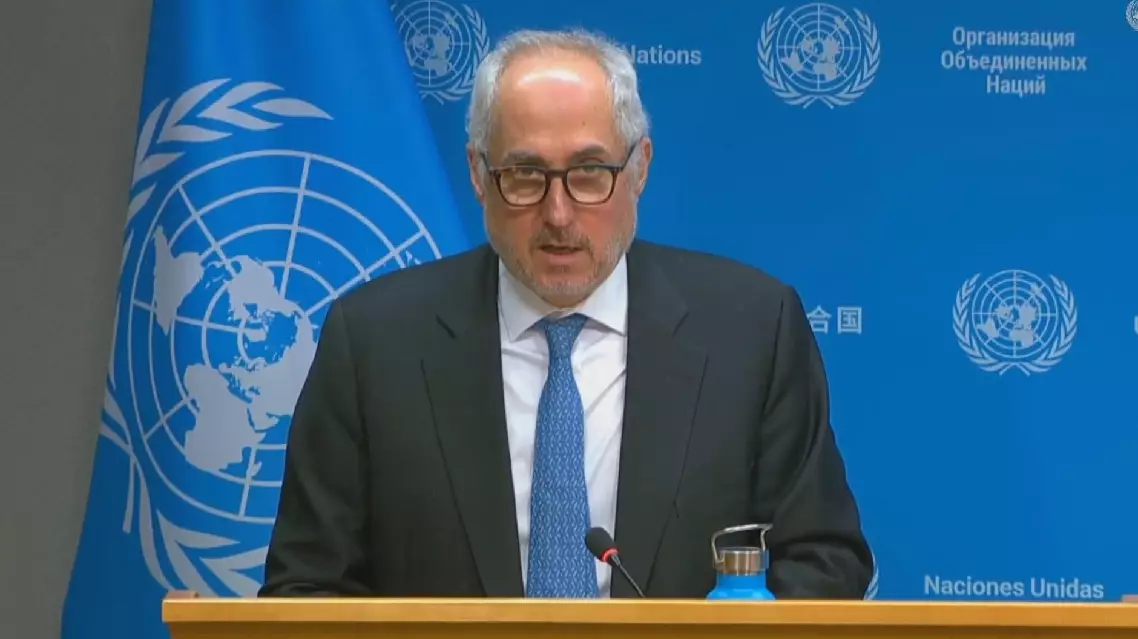
UN Secretary-General Antonio Guterres has reiterated his call for de-escalation, immediate cessation of hostilities and genuine dialogue and negotiations in the Middle East in line with the UN Charter, his spokesman Stephane Dujarric said Monday.

Speaking at a press conference at the UN headquarters, Dujarric said that over the past 48 hours or so, the secretary-general has been in touch with a number of regional leaders, including Qatar's Emir Sheikh Tamim bin Hamad Al Thani and Omani Foreign Minister Sayyid Badr bin Hamad bin Hamood Albusaidi.

He stressed that what is needed now in the region more than anything is a way out.

"Turning to the situation in the Middle East, over the past 48 hours or so, the secretary-general has been in touch with a number of regional leaders. What is needed now in the region more than anything is a way out. To that end, the secretary-general again calls for de-escalation, an immediate cessation of hostilities and genuine dialogue and negotiations, in line with the Charter of the United Nations," he said.

Dujarric also expressed deep concern regarding reports of an attack on a primary school in southern Iran, which, Iran said, has led to the deaths of 165 school girls.

He mentioned that the United Nations Children's Fund (UNICEF) has called for an immediate halt to hostilities and for the de-escalation of the situation.

The United States and Israel on Saturday launched "major combat operations" against Iran, claiming that the country's Supreme Leader Ayatollah Ali Khamenei had been killed.

Iran retaliated with a series of counterattacks against Israel and U.S. targets across the region, with explosions reported in Bahrain, Qatar, Kuwait, Jordan, the United Arab Emirates (UAE), and Saudi Arabia, among other countries.

UN chief renews call for de-escalation, immediate cessation of hostilities in Middle East

UN chief renews call for de-escalation, immediate cessation of hostilities in Middle East

Recommended Articles