|
- Higher resolution and wider field of view, enabling driver and passenger monitoring with a single camera
- Minimized module size using "wedge bonding" process, increasing space utilization and design flexibility
- Fostering of business to reach USD 1.4 billion by 2030, strengthening the line-up of car sensing solutions for both interior and exterior applications
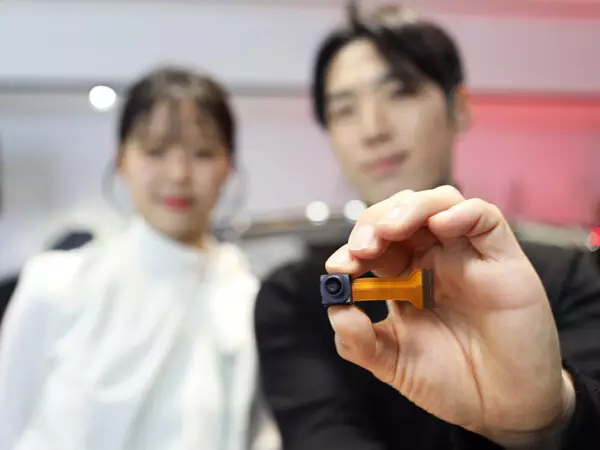
SEOUL, South Korea, Dec. 24, 2024 /PRNewswire/ -- LG Innotek (CEO Moon Hyuksoo) announced on December 23 the development of a "Automotive RGB-IR In-Cabin camera module" equipped with a five-megapixel RGB (red, green, blue)-IR (infrared) sensor.
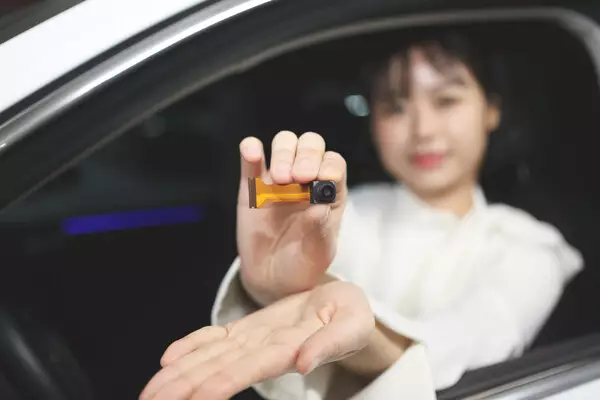
This RGB-IR In-Cabin camera module is a component designed for installation inside vehicles and can be mounted in various locations, such as on the rearview mirror or above the front of the passenger seat. It can detect various aspects of the driver's condition, such as drowsiness or inattention, and enables real-time monitoring of the conditions of passengers as well, such as whether seat belts are being used in the front and second rows.
The key to autonomous driving is ensuring the safety of drivers, passengers, and pedestrians. Alongside exterior components, such as camera modules for Autonomous Driving (AD) and Advanced Driver Assistance Systems (ADAS) and Light Detection And Ranging (LiDAR) systems, the industry is increasingly focusing on In-Cabin cameras to monitor passengers.
Of particular note is that Europe has mandated the installation of Driver Monitoring Systems (DMSs) in vehicles starting in 2025, and other major countries, including the United States and Japan, are considering similar requirements. As a result, global automakers are increasingly adopting In-Cabin cameras.
- Higher resolution and wider field of view, enabling driver and passenger monitoring with a single camera
Previous In-Cabin cameras were mostly limited to certain specific functions, such as DMSs and Occupant Monitoring Systems (OMSs). Executing diverse functions often required the installation of multiple cameras.
In contrast, "LG Innotek's RGB-IR In-Cabin camera module" can perform various functions with a single camera. Installed with a high-resolution RGB-IR sensor, it captures red, green, and blue visible light as well as infrared wavelengths, offering a wider viewing angle through the company's unique wide-angle technology.
With a resolution of five megapixels, five times higher than conventional cameras, "LG Innotek's RGB-IR In-Cabin camera module" delivers clearer images for more accurate occupant monitoring. It also supports entertainment features such as video calls and conferencing, which are expected to become more relevant as autonomous driving advances. Additionally, its ability to detect infrared rays allows it to clearly recognize subjects in dark environments, enabling accurate monitoring of occupants even at night, when identifying driver drowsiness is most needed.
The "RGB-IR In-Cabin camera module" also boasts a Horizontal Field Of View (HFOV) that is more than double that of earlier models. LG Innotek has applied its proprietary wide-angle technology to support a HFOV of 143Ëš, expanding the scope of monitoring. This offers visibility of both front-row and second-row seats from various angles.
- Minimized module size using "wedge bonding" process, increasing space utilization and design flexibility
"LG Innotek's RGB-IR In-Cabin camera module" is 15% smaller than existing models. The smaller size of the module allows it to be installed in various locations. For automakers, this enables them to not only make more efficient use of the space inside the vehicle but also increase their design freedom.
The company applied the "wedge bonding" process to minimize the size of the product. Wedge bonding is a technology that uses ultrasonic energy to attach chips and substrates.
In the past, the chips used in the module had to be secured to Printed Circuit Boards (PCB) by applying heat to the joint, with a "heating block" added to the bottom of the PCB board to keep it heated. Wedge bonding eliminates the need for such components and reduces the size of the module by eliminating the need for space for the heating block.
- Fostering of business to reach USD 1.4 billion by 2030, strengthening the line-up of car sensing solutions for inside and outside the vehicle
This year, LG Innotek further strengthened its portfolio of vehicle sensing solutions for both the interior and exterior of vehicles by introducing its high-performance heating camera module and high-performance LiDAR, followed by RGB-IR In-Cabin camera module. These flagship products are being actively promoted to automotive customers in North America and Europe.
Looking ahead, LG Innotek will continue to introduce, based on its world-leading optical technology, high-value products such as an "all-weather high-performance camera module" with high-performance heating and cleaning functions. By offering exclusive customer value, the company plans to accelerate its seizure of market leadership.
LG Innotek CEO Moon Hyuksoo said, "The vehicle sensing solutions business, including camera modules and LiDAR, is a core pillar of LG Innotek's business in autonomous driving components." He went on to add, "We are committed to growing our vehicle sensing solutions business to USD 1.4 billion business by 2030."
According to market research firm S&P Global, the global automotive camera module market is projected to grow from approximately USD 6.923 billion in 2023 to USD 10.769 billion by 2030, showing an average annual growth rate of 7%.
LG Innotek will unveil its "RGB-IR In-Cabin camera module", along with its latest innovations, at the Consumer Electronics Show (CES) 2025 in Las Vegas in January next year.
- Higher resolution and wider field of view, enabling driver and passenger monitoring with a single camera
- Minimized module size using "wedge bonding" process, increasing space utilization and design flexibility
- Fostering of business to reach USD 1.4 billion by 2030, strengthening the line-up of car sensing solutions for both interior and exterior applications
SEOUL, South Korea, Dec. 24, 2024 /PRNewswire/ -- LG Innotek (CEO Moon Hyuksoo) announced on December 23 the development of a "Automotive RGB-IR In-Cabin camera module" equipped with a five-megapixel RGB (red, green, blue)-IR (infrared) sensor.
This RGB-IR In-Cabin camera module is a component designed for installation inside vehicles and can be mounted in various locations, such as on the rearview mirror or above the front of the passenger seat. It can detect various aspects of the driver's condition, such as drowsiness or inattention, and enables real-time monitoring of the conditions of passengers as well, such as whether seat belts are being used in the front and second rows.
The key to autonomous driving is ensuring the safety of drivers, passengers, and pedestrians. Alongside exterior components, such as camera modules for Autonomous Driving (AD) and Advanced Driver Assistance Systems (ADAS) and Light Detection And Ranging (LiDAR) systems, the industry is increasingly focusing on In-Cabin cameras to monitor passengers.
Of particular note is that Europe has mandated the installation of Driver Monitoring Systems (DMSs) in vehicles starting in 2025, and other major countries, including the United States and Japan, are considering similar requirements. As a result, global automakers are increasingly adopting In-Cabin cameras.
- Higher resolution and wider field of view, enabling driver and passenger monitoring with a single camera
Previous In-Cabin cameras were mostly limited to certain specific functions, such as DMSs and Occupant Monitoring Systems (OMSs). Executing diverse functions often required the installation of multiple cameras.
In contrast, "LG Innotek's RGB-IR In-Cabin camera module" can perform various functions with a single camera. Installed with a high-resolution RGB-IR sensor, it captures red, green, and blue visible light as well as infrared wavelengths, offering a wider viewing angle through the company's unique wide-angle technology.
With a resolution of five megapixels, five times higher than conventional cameras, "LG Innotek's RGB-IR In-Cabin camera module" delivers clearer images for more accurate occupant monitoring. It also supports entertainment features such as video calls and conferencing, which are expected to become more relevant as autonomous driving advances. Additionally, its ability to detect infrared rays allows it to clearly recognize subjects in dark environments, enabling accurate monitoring of occupants even at night, when identifying driver drowsiness is most needed.
The "RGB-IR In-Cabin camera module" also boasts a Horizontal Field Of View (HFOV) that is more than double that of earlier models. LG Innotek has applied its proprietary wide-angle technology to support a HFOV of 143Ëš, expanding the scope of monitoring. This offers visibility of both front-row and second-row seats from various angles.
- Minimized module size using "wedge bonding" process, increasing space utilization and design flexibility
"LG Innotek's RGB-IR In-Cabin camera module" is 15% smaller than existing models. The smaller size of the module allows it to be installed in various locations. For automakers, this enables them to not only make more efficient use of the space inside the vehicle but also increase their design freedom.
The company applied the "wedge bonding" process to minimize the size of the product. Wedge bonding is a technology that uses ultrasonic energy to attach chips and substrates.
In the past, the chips used in the module had to be secured to Printed Circuit Boards (PCB) by applying heat to the joint, with a "heating block" added to the bottom of the PCB board to keep it heated. Wedge bonding eliminates the need for such components and reduces the size of the module by eliminating the need for space for the heating block.
- Fostering of business to reach USD 1.4 billion by 2030, strengthening the line-up of car sensing solutions for inside and outside the vehicle
This year, LG Innotek further strengthened its portfolio of vehicle sensing solutions for both the interior and exterior of vehicles by introducing its high-performance heating camera module and high-performance LiDAR, followed by RGB-IR In-Cabin camera module. These flagship products are being actively promoted to automotive customers in North America and Europe.
Looking ahead, LG Innotek will continue to introduce, based on its world-leading optical technology, high-value products such as an "all-weather high-performance camera module" with high-performance heating and cleaning functions. By offering exclusive customer value, the company plans to accelerate its seizure of market leadership.
LG Innotek CEO Moon Hyuksoo said, "The vehicle sensing solutions business, including camera modules and LiDAR, is a core pillar of LG Innotek's business in autonomous driving components." He went on to add, "We are committed to growing our vehicle sensing solutions business to USD 1.4 billion business by 2030."
According to market research firm S&P Global, the global automotive camera module market is projected to grow from approximately USD 6.923 billion in 2023 to USD 10.769 billion by 2030, showing an average annual growth rate of 7%.
LG Innotek will unveil its "RGB-IR In-Cabin camera module", along with its latest innovations, at the Consumer Electronics Show (CES) 2025 in Las Vegas in January next year.
** The press release content is from PR Newswire. Bastille Post is not involved in its creation. **
LG Innotek to Foster the Automotive Car Sensing Business into a USD 1.4 Billion Business by 2030, Led by Its RGB-IR In-Cabin camera module
LG Innotek to Foster the Automotive Car Sensing Business into a USD 1.4 Billion Business by 2030, Led by Its RGB-IR In-Cabin camera module

LG Innotek to Foster the Automotive Car Sensing Business into a USD 1.4 Billion Business by 2030, Led by Its RGB-IR In-Cabin camera module
|
― Demand for solo travel expands both domestically and internationally, with domestic solo travel interest up 17% year on year ―
TOKYO, Feb. 11, 2026 /PRNewswire/ -- Digital travel platform Agoda has released the latest search data on "solo travel" among Japanese travelers. According to accommodation search data from Agoda, interest in solo travel among Japanese travelers increased by 11% year on year for international travel and by 17% for domestic travel, revealing that demand for traveling alone is steadily expanding both within Japan and abroad.
The data compares search activity by Japanese solo travelers from January 1 to December 31, 2025, with the same period in the previous year (2024).
- Popular Overseas Travel Destinations Among Japanese Solo Travelers
For international travel, the cities that attracted the most interest from Japanese solo travelers are as follows:
- Seoul
- Bangkok
- Taipei
- Hong Kong
- Honolulu
All of these cities share the advantages of convenient access from Japan, a strong sense of safety, and well-developed transportation infrastructure, making them popular choices as easy and reassuring destinations for first-time solo overseas travelers.
Among them, Seoul stands out as a particularly popular destination for solo travelers, especially for trips focused on beauty and wellness. In addition, the ability to efficiently enjoy a wide range of experiences—such as dining, shopping, and sightseeing - even during short stays is also believed to be a key factor driving its appeal among Japanese solo travelers.
- Domestic Solo Travel Interest Also Expands, Especially in Regional Cities
For domestic travel, interest in solo travel increased by 17% year on year, surpassing the growth seen in international travel.
The cities with the highest search volumes among Japanese solo travelers were major urban centers such as Tokyo, Osaka, Fukuoka, Sapporo, and Yokohama.
Meanwhile, the following regional cities emerged as destinations with particularly high growth in demand for solo travel.
- Chiba (up 67% year on year)
- Takamatsu (up 62% year on year)
- Okayama (up 46% year on year)
- Izumisano (up 41% year on year)
- Saitama (up 40% year on year)
Many of these cities are characterized by convenient access to major airports or the presence of an airport, suggesting that they are being chosen not only for domestic trips but also as gateways for solo travel abroad.
In particular, Takamatsu and Okayama stand out for their strong balance of convenience and tourism resources despite being regional cities and have garnered especially high popularity among Japanese solo travelers.
These findings reflect a growing interest in regional cities that allow travelers to avoid crowds and enjoy trips at their own pace, as well as the needs of solo travelers who place importance on flexible itineraries centered around airports.
Tadashi Ikai, Senior Country Director for Japan at Agoda shared, "In Japan, solo travel is becoming established not as a special travel style, but as an everyday choice. Domestically, interest is growing in regional cities, while internationally, travelers are interested in destinations that are easy to access and offer a sense of safety and comfort during their stay. Agoda will continue to provide accommodation options and travel products that cater to the diverse needs of solo travelers."
Travelers can seamlessly search and book more than 6 million accommodations, 130,000+ flight routes, and 300,000+ activities through Agoda's platform. Attractive accommodation deals can be easily found via the Agoda mobile app or official website (Agoda.com).
― Demand for solo travel expands both domestically and internationally, with domestic solo travel interest up 17% year on year ―
TOKYO, Feb. 11, 2026 /PRNewswire/ -- Digital travel platform Agoda has released the latest search data on "solo travel" among Japanese travelers. According to accommodation search data from Agoda, interest in solo travel among Japanese travelers increased by 11% year on year for international travel and by 17% for domestic travel, revealing that demand for traveling alone is steadily expanding both within Japan and abroad.
The data compares search activity by Japanese solo travelers from January 1 to December 31, 2025, with the same period in the previous year (2024).
- Popular Overseas Travel Destinations Among Japanese Solo Travelers
For international travel, the cities that attracted the most interest from Japanese solo travelers are as follows:
All of these cities share the advantages of convenient access from Japan, a strong sense of safety, and well-developed transportation infrastructure, making them popular choices as easy and reassuring destinations for first-time solo overseas travelers.
Among them, Seoul stands out as a particularly popular destination for solo travelers, especially for trips focused on beauty and wellness. In addition, the ability to efficiently enjoy a wide range of experiences—such as dining, shopping, and sightseeing - even during short stays is also believed to be a key factor driving its appeal among Japanese solo travelers.
- Domestic Solo Travel Interest Also Expands, Especially in Regional Cities
For domestic travel, interest in solo travel increased by 17% year on year, surpassing the growth seen in international travel.
The cities with the highest search volumes among Japanese solo travelers were major urban centers such as Tokyo, Osaka, Fukuoka, Sapporo, and Yokohama.
Meanwhile, the following regional cities emerged as destinations with particularly high growth in demand for solo travel.
- Chiba (up 67% year on year)
- Takamatsu (up 62% year on year)
- Okayama (up 46% year on year)
- Izumisano (up 41% year on year)
- Saitama (up 40% year on year)
Many of these cities are characterized by convenient access to major airports or the presence of an airport, suggesting that they are being chosen not only for domestic trips but also as gateways for solo travel abroad.
In particular, Takamatsu and Okayama stand out for their strong balance of convenience and tourism resources despite being regional cities and have garnered especially high popularity among Japanese solo travelers.
These findings reflect a growing interest in regional cities that allow travelers to avoid crowds and enjoy trips at their own pace, as well as the needs of solo travelers who place importance on flexible itineraries centered around airports.
Tadashi Ikai, Senior Country Director for Japan at Agoda shared, "In Japan, solo travel is becoming established not as a special travel style, but as an everyday choice. Domestically, interest is growing in regional cities, while internationally, travelers are interested in destinations that are easy to access and offer a sense of safety and comfort during their stay. Agoda will continue to provide accommodation options and travel products that cater to the diverse needs of solo travelers."
Travelers can seamlessly search and book more than 6 million accommodations, 130,000+ flight routes, and 300,000+ activities through Agoda's platform. Attractive accommodation deals can be easily found via the Agoda mobile app or official website (Agoda.com).
** The press release content is from PR Newswire. Bastille Post is not involved in its creation. **

Agoda Announces Japanese "Solo Travel" Trends