The Lebanese Ministry of Foreign Affairs and Emigrants on Monday filed a complaint through the country's Permanent Mission to the United Nations in New York with the UN Security Council in response to Israel's repeated violations of its ceasefire agreement with Lebanon.
The Lebanese ministry said on social media platform X that between Nov. 27 and Dec. 22, Israel launched over 816 land and air attacks against Lebanon, shelling border villages, booby-trapping homes, destroying residential neighborhoods, and blocking roads.
Click to Gallery
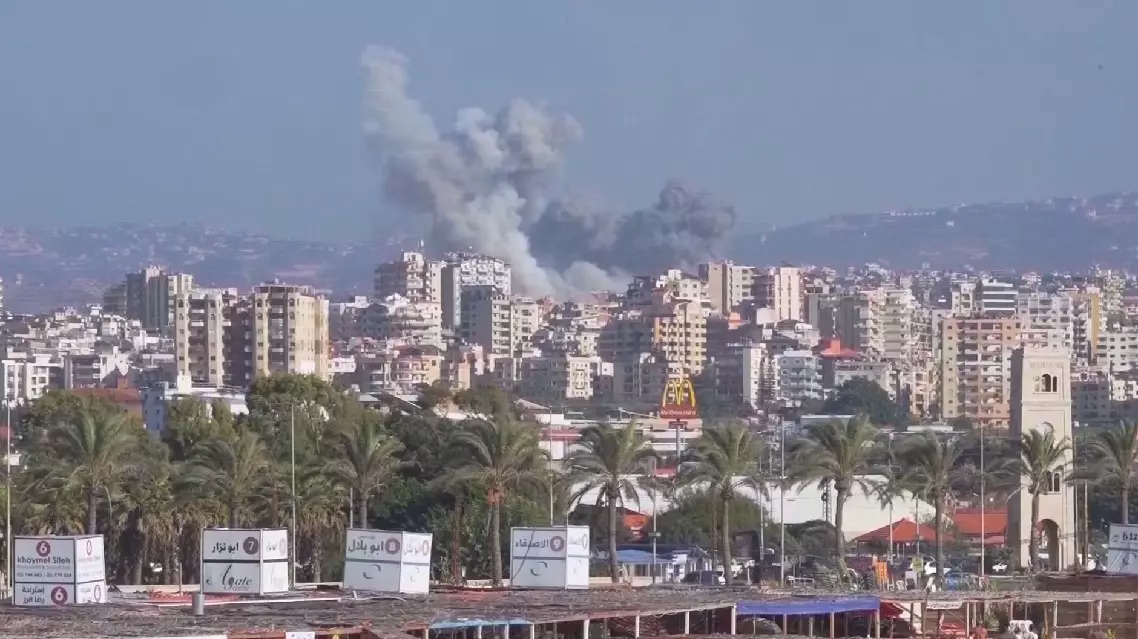
Lebanon files new complaint to UN Security Council over Israeli violations of ceasefire
Lebanon files new complaint to UN Security Council over Israeli violations of ceasefire
Lebanon files new complaint to UN Security Council over Israeli violations of ceasefire
Lebanon files new complaint to UN Security Council over Israeli violations of ceasefire
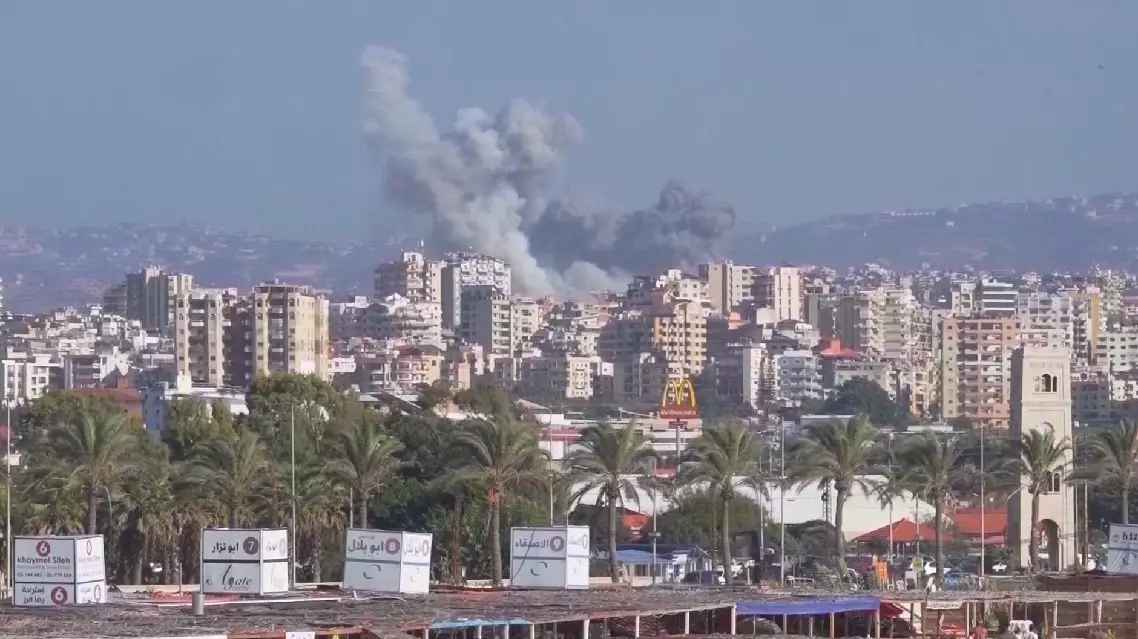
Lebanon files new complaint to UN Security Council over Israeli violations of ceasefire
Such violations have complicated Lebanon's efforts to implement the provisions of UN Resolution 1701, hindering the Lebanese army's deployment in the south and representing a serious threat to international efforts aimed at achieving regional security and stability, the ministry said in the complaint.
Lebanon has continuously shown the utmost restraint and cooperation to avoid falling back into "the hell of war", it said, urging the UN Security Council to take a firm and clear position towards Israel's violations and work to oblige it to respect its obligations.
It also called for strengthening support for the UN Interim Force in Lebanon and the Lebanese army to protect Lebanon's sovereignty and help the country restore stability.
A ceasefire agreement between Israel and Hezbollah went into effect on Nov. 27, putting an end to the confrontations that erupted on Oct. 8, 2023.
Despite the agreement, there have been multiple claims of ceasefire violations by both sides. The Israeli army has continued to carry out strikes in Lebanon, though at a significantly reduced intensity, with some attacks resulting in casualties in southern and eastern Lebanon. In response, Hezbollah fired munitions into border areas once, in early December, describing the actions as retaliation for the ongoing Israeli strikes.
Lebanon files new complaint to UN Security Council over Israeli violations of ceasefire
Lebanon files new complaint to UN Security Council over Israeli violations of ceasefire
Lebanon files new complaint to UN Security Council over Israeli violations of ceasefire
Lebanon files new complaint to UN Security Council over Israeli violations of ceasefire
Lebanon files new complaint to UN Security Council over Israeli violations of ceasefire