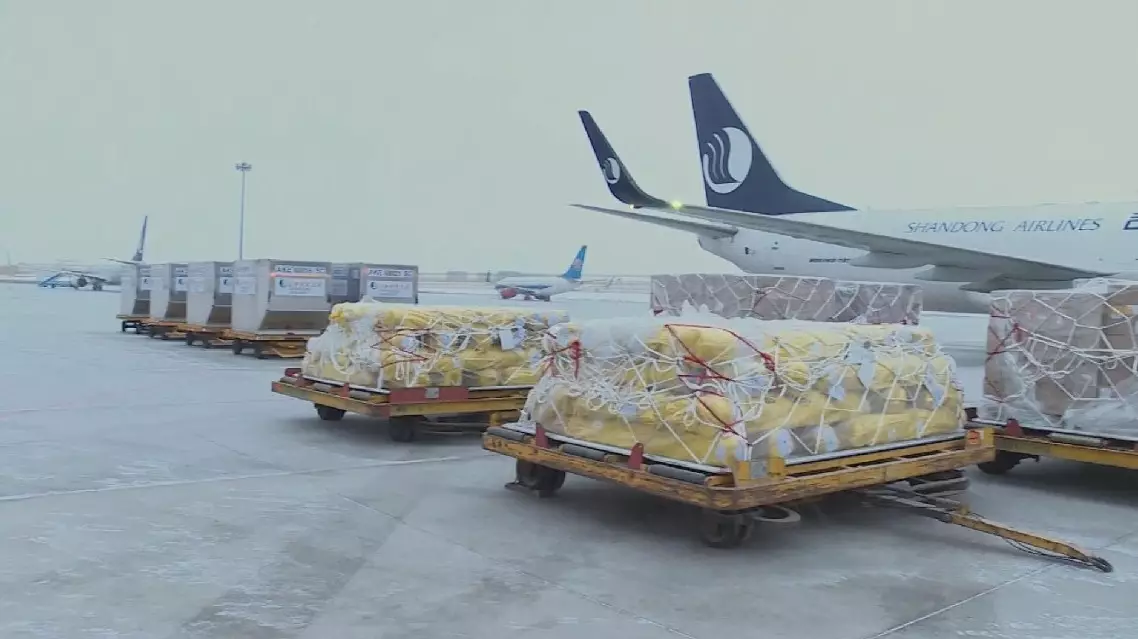
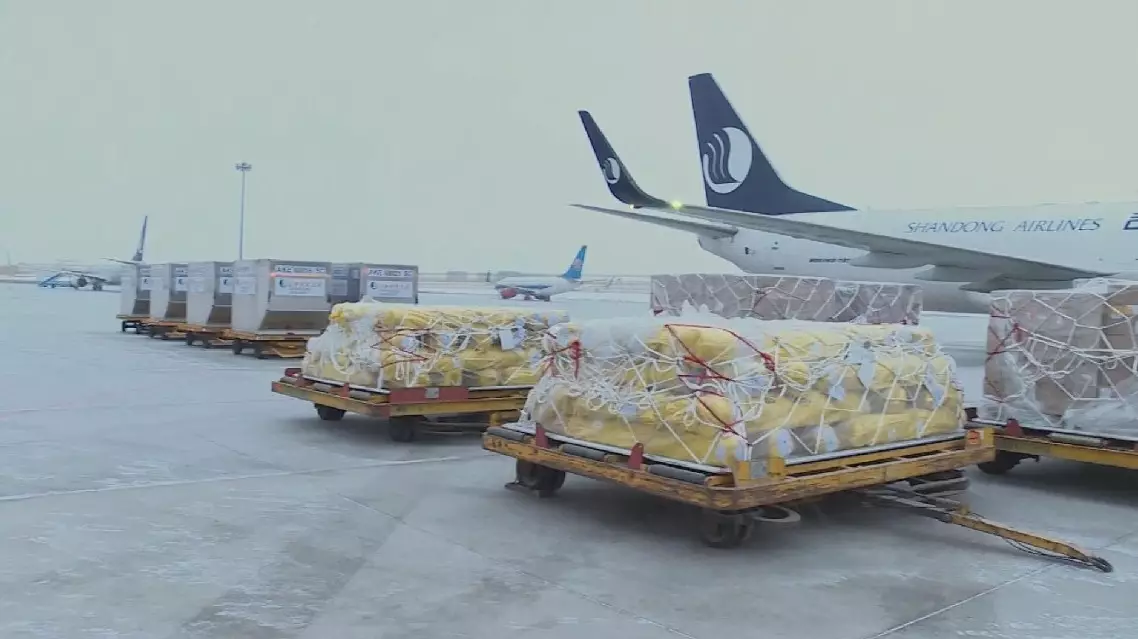
The import and export cargo volume of Urumqi Airport in northwest China's Xinjiang Uygur Autonomous Region skyrocketed by 604.9 percent year-on-year to reach 35,000 tons during the first 11 months of 2024, according to the Urumqi Diwopu International Airport Customs.
The airport has optimized its route network to reduce flight times and increase connectivity, with a focus on serving the needs of its growing cargo and passenger markets.
Click to Gallery
Urumqi Airport sees rise of over 600 pct in import, export cargo volume
Urumqi Airport sees rise of over 600 pct in import, export cargo volume
Urumqi Airport sees rise of over 600 pct in import, export cargo volume
Urumqi Airport sees rise of over 600 pct in import, export cargo volume
Urumqi Airport's aviation logistics has experienced a rapid development, with the introduction of innovative services such as bonded aviation oil, which has improved the port's business environment and driven international logistics growth
Urumqi Airport currently operates a comprehensive network of 15 regular freight routes, connecting 15 cities across 12 countries in Central Asia, South Asia, West Asia, Europe, and beyond.
Urumqi Airport sees rise of over 600 pct in import, export cargo volume
Urumqi Airport sees rise of over 600 pct in import, export cargo volume
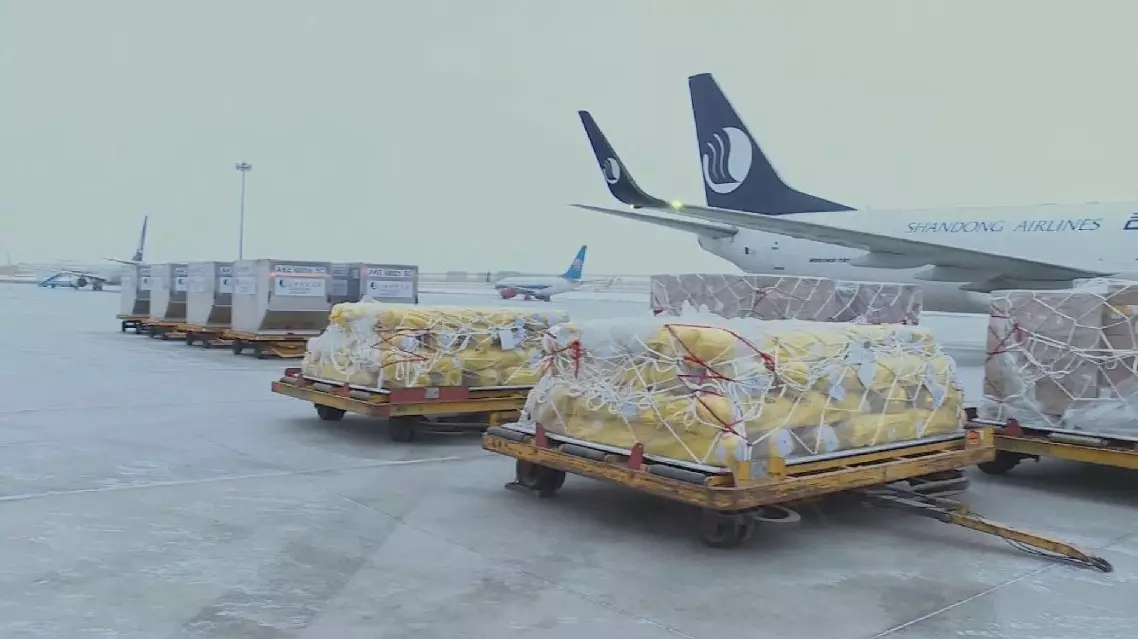
Urumqi Airport sees rise of over 600 pct in import, export cargo volume
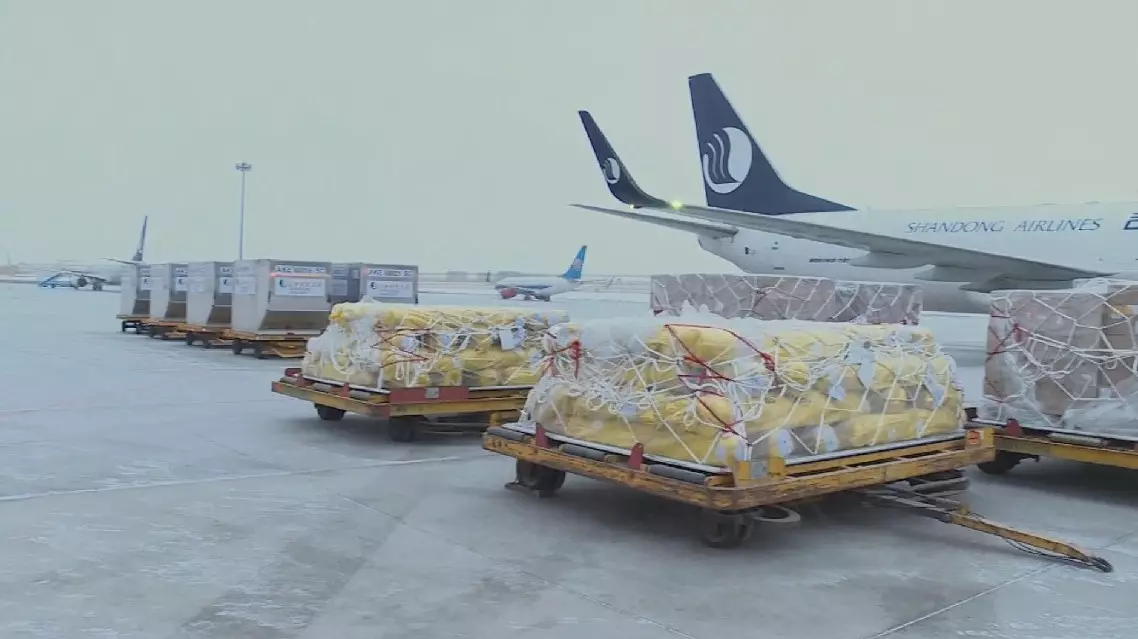
Urumqi Airport sees rise of over 600 pct in import, export cargo volume
A Greek scholar has shed light on the multi-layered value of classical studies, asserting that modern civilizations can deepen their understandings of themselves, each other, and the challenges they face through the lens of ancient wisdom.
On the sidelines of the just-concluded World Conference of Classics held in Athens, Greece, Professor Myrto Garani of the National and Kapodistrian University of Athens said that Greek and Chinese intellectual traditions, despite giving different answers to life's fundamental questions, offer complementary paths to wisdom that remain urgently relevant today.
"The two civilizations clearly faced many of the same fundamental questions. That is what interests us, and that is why it is so valuable to gather here in Athens and discuss the concerns shared by both peoples since antiquity. We may have arrived at different answers. However, by examining the different ways in which we approached these questions, we can also reconsider the answers that our own civilization produced. In doing so, we gain a deeper understanding of one another. That is the real value of this dialogue and the reason we continue to explore these questions in greater depth," said Garani.
The professor said that she urges young people who view the classics as outdated or irrelevant to consider that ancient wisdom equips modern minds with essential tools for navigating today's crises.
"Classical studies will obviously not provide direct answers to the climate crisis or the energy crisis, for example. But they can help us cultivate our thinking and our judgment. The way people confronted fundamental questions in the past can help us respond to the challenges of the present. I believe this is one of the greatest things we can gain from classical studies. They encourage comprehensive thinking and critical judgment. They also allow us to examine the values of antiquity and understand how those values can be adapted and applied today," said Garani.
Held from June 9 to 10 under the theme "Dialogue Between Ancient and Modern Civilizations: Contemporary Inspiration from Classical Wisdom," the Second World Conference of Classics brought together more than 200 scholars, researchers and cultural representatives from Asia, Europe, Africa and North America.
This year's gathering highlighted the contemporary relevance of classical civilizations, exploring how ideas drawn from ancient traditions can offer insights into governance, ethics, social development and international relations amid evolving global challenges.
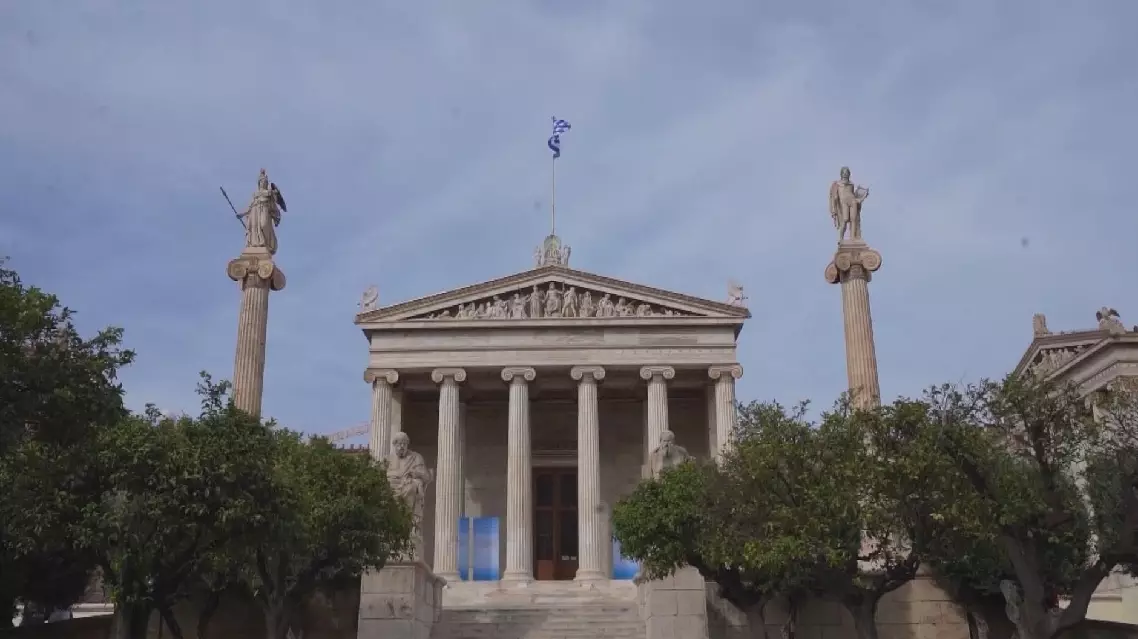
Greek scholar hails classical studies as East-West bridge