The impact of armed conflicts on children around the world reached devastating and likely record levels in 2024, according to a review by UN Children's Fund (UNICEF) of the latest available data and prevailing global trends.
More children than ever are estimated to be either living in conflict zones or forcibly displaced due to conflict and violence. A record number of children affected by conflict are having their rights violated, including by being killed and injured, out of school, missing life-saving vaccines, and being critically malnourished, according to the review. The number is only expected to grow. Conflict drives approximately 80 percent of all humanitarian needs around the world, disrupting access to essentials, including safe water, food and healthcare.
Over 473 million children -- more than one in six globally -- now live in areas affected by conflict, with the world experiencing the highest number of conflicts since World War II. The percentage of the world's children living in conflict zones has doubled -- from around 10 percent in the 1990s to almost 19 percent today.
By the end of 2023, 47.2 million children had been displaced due to conflict and violence, with trends in 2024 indicating additional displacement due to the intensification of conflicts, including in Haiti, Lebanon, Myanmar, the State of Palestine, and Sudan.
Children account for 30 percent of the global population, yet on average account for roughly 40 percent of refugee populations and 49 percent of internally displaced people. In countries affected by conflict, on average over a third of the population are poor compared with just over 10 percent in non-conflict-affected countries.
In the latest available data, from 2023, the United Nations verified a record 32,990 grave violations against 22,557 children -- the highest number since Security Council-mandated monitoring began. With the overall upward trend in the number of grave violations -- for example, thousands of children have been killed and injured in Gaza, and in Ukraine, the UN verified more child casualties during the first nine months of 2024 than during all of 2023.
The situation for women and girls is particularly concerning, with widespread reports of rape and sexual violence in conflict settings. In Haiti, so far this year, there has been a 1,000-percent increase in reported incidents of sexual violence against children. In situations of armed conflict, children with disabilities also tend to be disproportionately exposed to violence and rights violations.
Education has been severely disrupted in conflict zones. More than 52 million children in countries affected by conflict are estimated to be out of school. Children in the Gaza Strip, and a significant portion of children in Sudan, have missed out on more than a year of school, while in countries such as Ukraine, the Democratic Republic of the Congo, and Syria, schools have been damaged, destroyed or repurposed, leaving millions of children without access to learning. The destruction of educational infrastructure and insecurity near schools have exacerbated an already dire situation for children's education in these regions.
Malnutrition among children in conflict zones has also risen to alarming levels, as conflict and armed violence continue to be the primary drivers of hunger in numerous hotspots, disrupting food systems, displacing populations, and obstructing humanitarian access.
The impact on children's mental health is also huge. Exposure to violence, destruction and loss of loved ones can manifest in children through reactions such as depression, nightmares and difficulty sleeping, aggressive or withdrawn behavior, sadness and fear, among others. UNICEF is calling for all parties to conflict, and for those with influence over them, to take decisive action to end the suffering of children, to ensure their rights are upheld, and to adhere to their obligations under international humanitarian law.
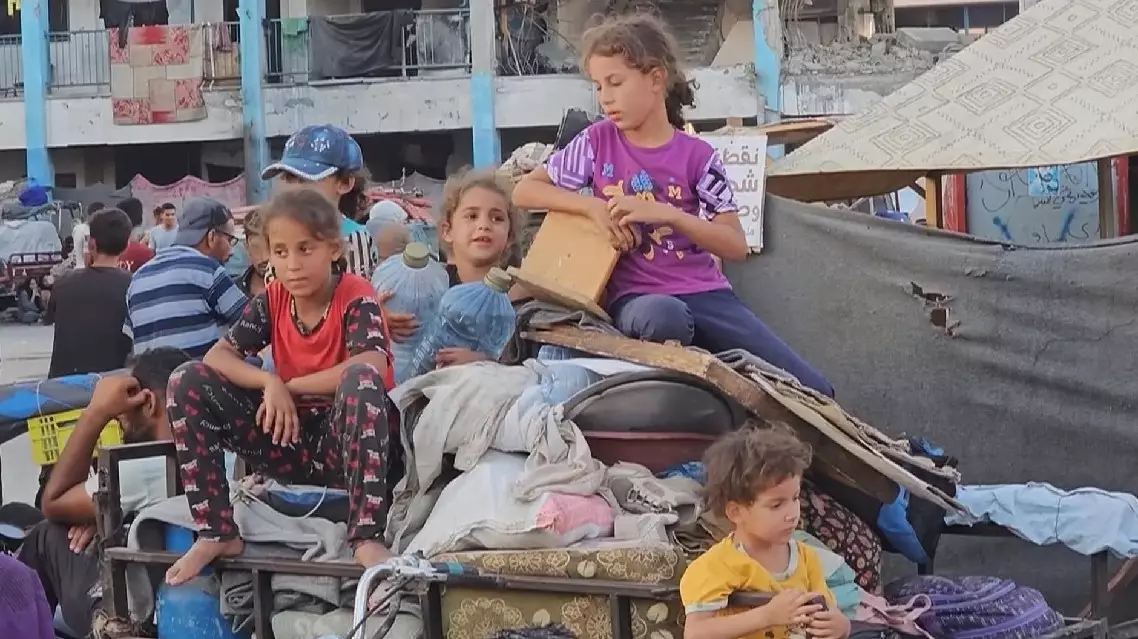
Children face record-level impact from armed conflicts worldwide: UNICEF