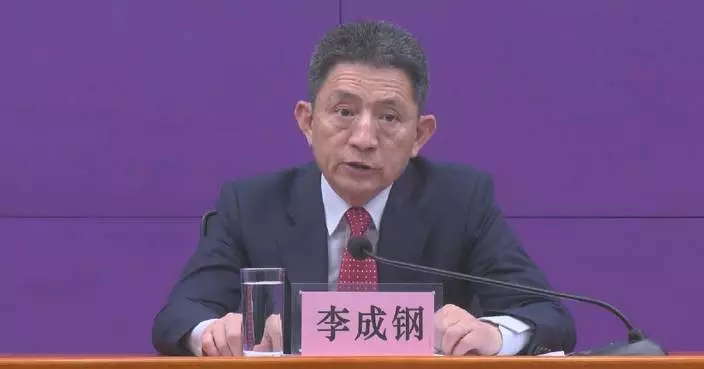
The People's Bank of China (PBOC) announced on Saturday that its monetary policy for 2025 will be "moderately loosened", using a range of tools to ensure sufficient liquidity, stabilize financial growth, and improve funding efficiency to support high-quality economic development.
This policy approach aims to maintain stable and high-quality economic growth by adjusting key monetary tools, including the reserve requirement ratio (RRR) and interest rates, in response to both domestic and global economic conditions.
In addition to ensuring ample liquidity, the PBOC will focus on optimizing the use of existing financial resources to improve capital efficiency.
The central bank will also deploy structural monetary policy tools to refine the financial system, reinforcing coordination with fiscal policies. These measures are designed to enhance financial support for technological innovation and consumer-driven growth.
Furthermore, the PBOC plans to expand financing channels, encouraging companies to raise funds through bonds, equities, and other market-based instruments. The objective is to improve the overall quality and efficiency of financial services, ensuring they meet the evolving needs of the economy.
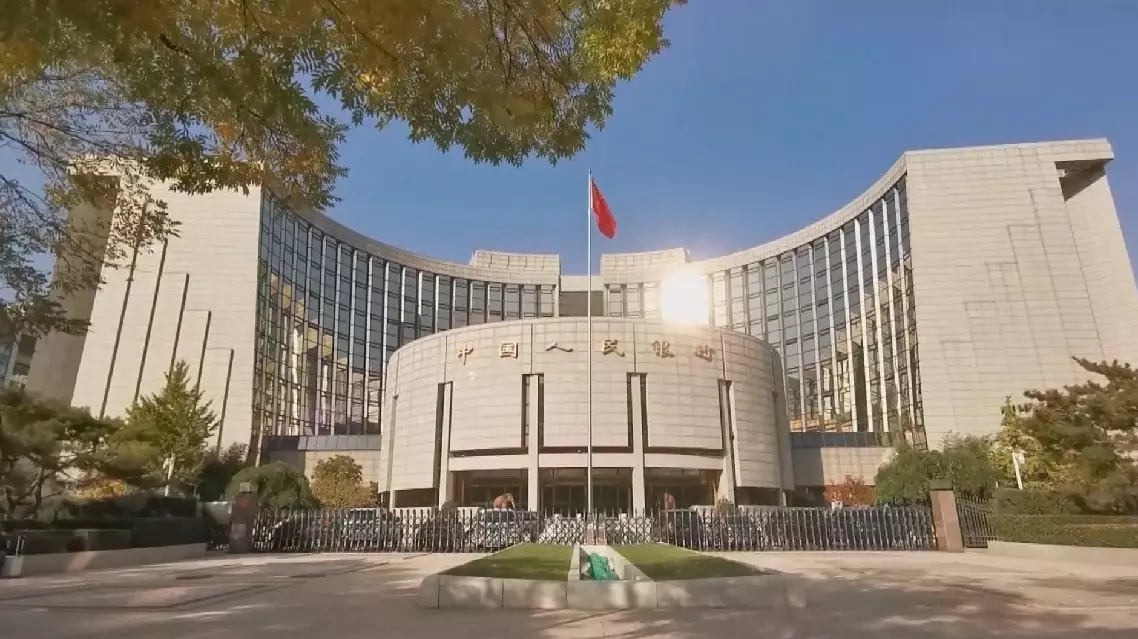
China to moderately loosen its 2025 monetary policy: PBOC
China to moderately loosen its 2025 monetary policy: PBOC
Nicaragua's co-foreign minister Valdrack Jaentschke has warned that militarism must never be allowed to rise again, as Japan's recent moves to lift its arms export ban and revise the pacifist Constitution continue to draw international concern.
This year marks the 80th anniversary of the opening of the Tokyo Trials, where Japan's Class-A war criminals from World War II were brought to justice.
In an interview with China Global Television Network (CGTN), Valdrack Jaentschke voiced his concern that today's world order is being undermined by interventionism and other challenges.
"It is necessary for us to remember that after the end of World War II, countries worked hard to build a new international order based on international law. However, regrettably, more than 80 years later, we are seeing that this once explored and attempted order is being challenged by interventionism, a confrontational mindset, and tendencies like 'might makes right.' These are precisely the conditions that gave rise to fascism and militarism in the past, which ultimately led to the tragedy of World War II," he said.
He said the international community has a responsibility to pursue a new international order -- one fundamentally grounded in peace.
"Looking back at the history more than eight decades ago and comparing it with today's reality, it is our responsibility to recognize that the world should, and must, build a new international order that is more just, fairer, rooted in international law, based on a logic of mutual benefit and shared success, and fundamentally grounded in peace," said the minister.
"Today, as we revisit the Tokyo Trials, it is meant to remind the world that such a tragedy must never be repeated -- and that we must do everything in our power to prevent it from happening again. We must stop that dark world -- born from militarism, interventionism, and fascism -- from ever returning," he said.
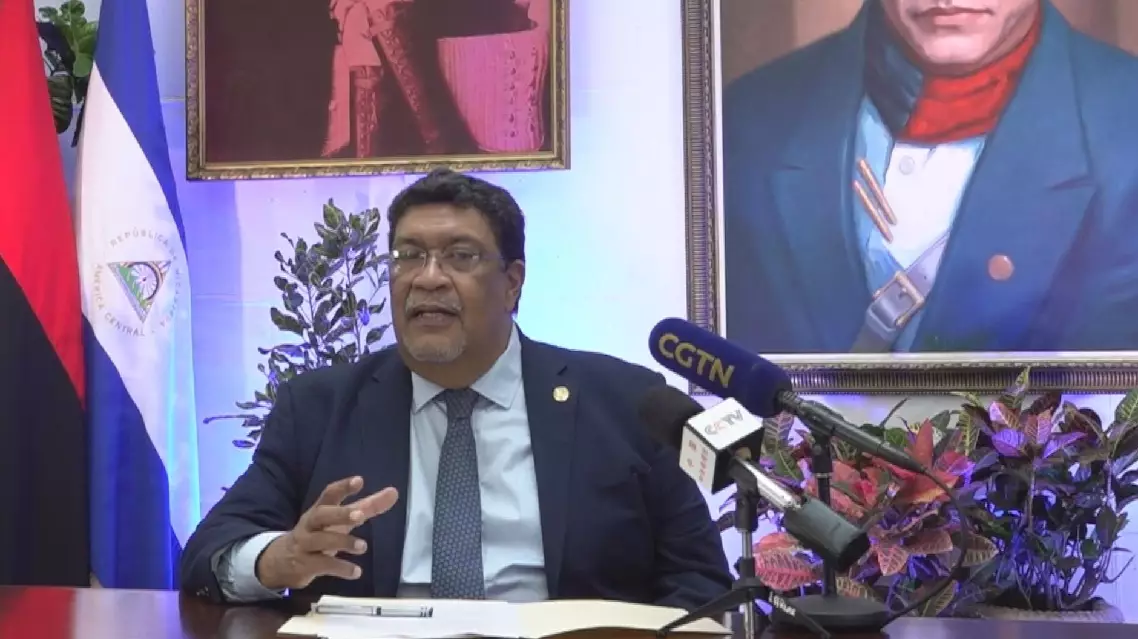
Nicaraguan FM warns of militarism revival