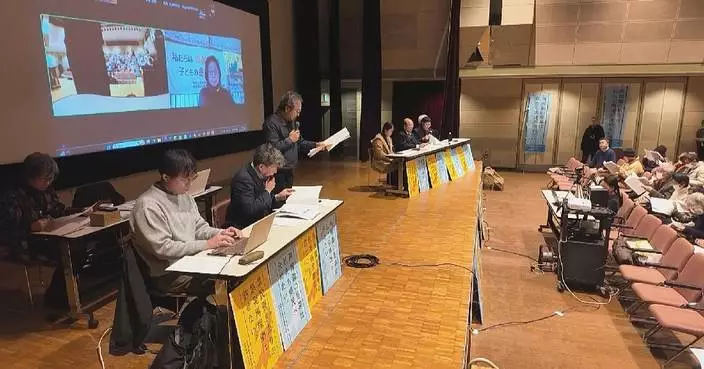
The Biden administration's invoking of national security concerns to prevent Japan's Nippon Steel from acquiring U.S. Steel demonstrates the structural weaknesses of the U.S. political system, according to a global affairs analyst.
U.S. President Joe Biden said Friday that he had decided to block the 14.1 billion U.S. dollars sale of U.S. Steel to the Japanese steel giant, while urging the two steelmakers to "fully and permanently" abandon their plan.
The decision has triggered discontent in Japan, with many believing that the interference was unjustified.
In an interview with China Global Television Network (CGTN) on Tuesday, Andy Mok, senior research fellow with the Center for China and Globalization, said the move contradicts U.S. calls for "economic openness", and reflects deep flaws in the country's political fabric.
"This reveals the structural weaknesses of the United States political system, and that this is another example of narrow special interest undermining national interest. I think it also is an example of the contradictory claims of economic openness versus actual behavior as we're seeing here," Mok said.
"Of course, this also shows the U.S.' willingness to weaponize what should be fair and transparent bureaucratic processes for domestic political gain. So, I think it will be, again difficult, if not impossible, for the U.S. to provide a satisfactory answer to the Japanese on this topic," he added.
Japanese Prime Minister Shigeru Ishiba has warned of potential repercussions for bilateral trade following Biden's decision.
Mok echoed the Prime Minister's remarks, stressing that the impact on foreign investment into the U.S. could be on a worldwide scale.
"I think this is going to send a very worrying signal to global investors all around the world. It just shows the volatility and unpredictability of the U.S. political environment. So despite the large market, the very attractive, undeniably attractive economic opportunities, it's a very high risk proposition that can be a roller coaster," he said.
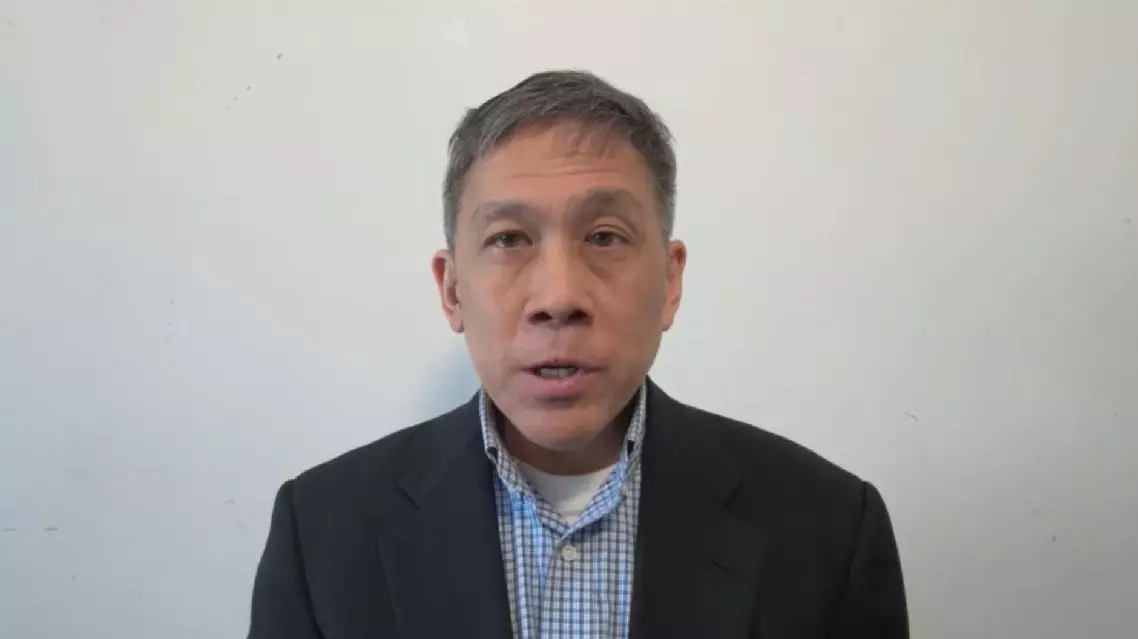
Biden's blocking of Nippon Steel's bid reflects structural weaknesses of US politics: scholar