Civil groups in Niigata Prefecture, Japan gathered on Sunday to protest against restarting the Kashiwazaki-Kariwa nuclear power plant, voicing strong concerns over safety risks and a lack of trust in the plant's operator, Tokyo Electric Power Company.
Following the Fukushima Daiichi nuclear disaster, all nuclear power plants in Japan were shut down for a period of time, and the Kashiwazaki-Kariwa nuclear power plant in Niigata Prefecture was closed in 2012.
Attendees said that the Kashiwazaki-Kariwa facility has aged significantly after years of suspension, and that the restart of the plant could pose serious safety hazards.
They also criticized Tokyo Electric Power Company, listing its past record of concealment and mismanagement to support their arguments.
Attendees said there are still many unanswered questions about whether the long-idled plant can meet sufficient safety standards if it resumes operations.
"Japan is a country where earthquakes occur frequently. Danger can happen anywhere in Japan. I oppose promoting nuclear power plants in Japan," said an attendee.
"I oppose the restart of the Kashiwazaki-Kariwa nuclear power plant. Up to now, Tokyo Electric Power Company has engaged in many cover-ups, concealments, and deceptions, they are still hiding many problems. We will never give up opposing the restart. Continuing to speak out and persistently protesting is extremely important," said another attendee.
Participants called on the Japanese government and Tokyo Electric Power Company to seriously consider public opposition, reexamine the restart plan, and give priority to the protection of residents' lives and the local environment.
"Fundamentally speaking, I believe Tokyo Electric Power Company is not qualified to operate nuclear power plant at all. The cleanup work after the Fukushima nuclear accident is still not complete. The health of local children continues to be affected, and workers are working under radiation risks. These issues have been almost left unaddressed. Under such circumstances, they are trying to restart Kashiwazaki-Kariwa nuclear power plant. I absolutely cannot accept this, not can I agree with it," said an attendee.
In addition, attendees expressed deep concerns over moves by the Takaichi administration to revise Japan's three non-nuclear principles, and to relax restrictions on exports of weapons.
"Japan is the only country in the world that has experienced nuclear bombings. Precisely because of this, Japan should always adhere to a stance of banning all nuclear weapons: not possessing, not producing, and not allowing the introduction of nuclear weapons. I think the three principles should be firmly upheld," said an attendee.
"We must clearly recognize that Japan's nuclear issues are by no means limited to the nuclear power plants alone. We must continue to speak out and persistently raise our demands," said another attendee.
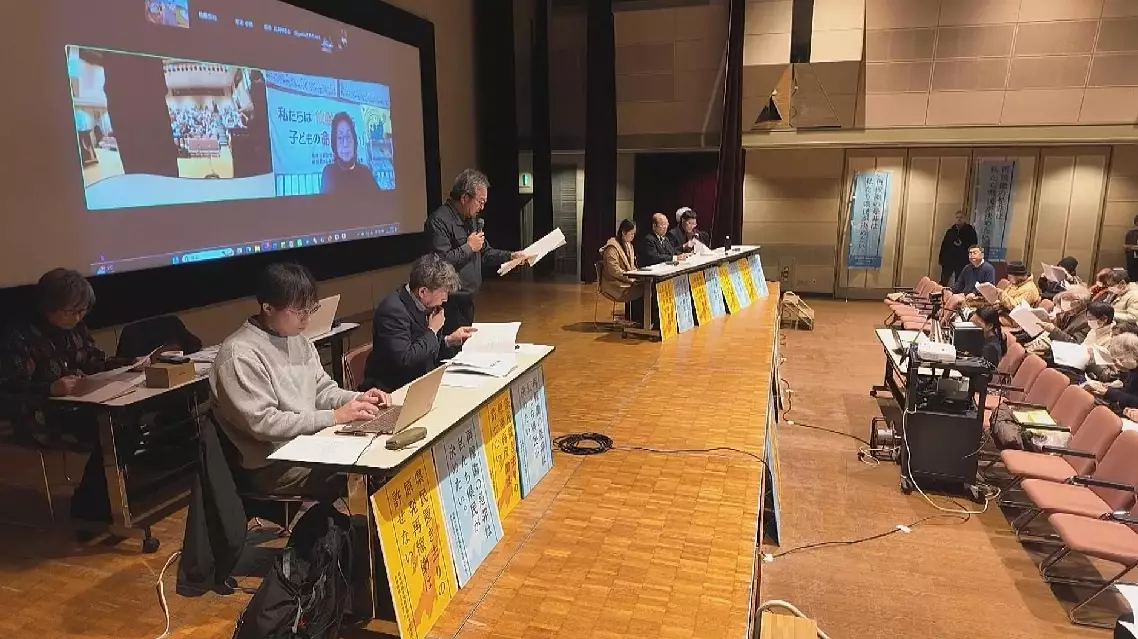
Japanese civil groups oppose restart of Kashiwazaki-Kariwa nuclear power plant
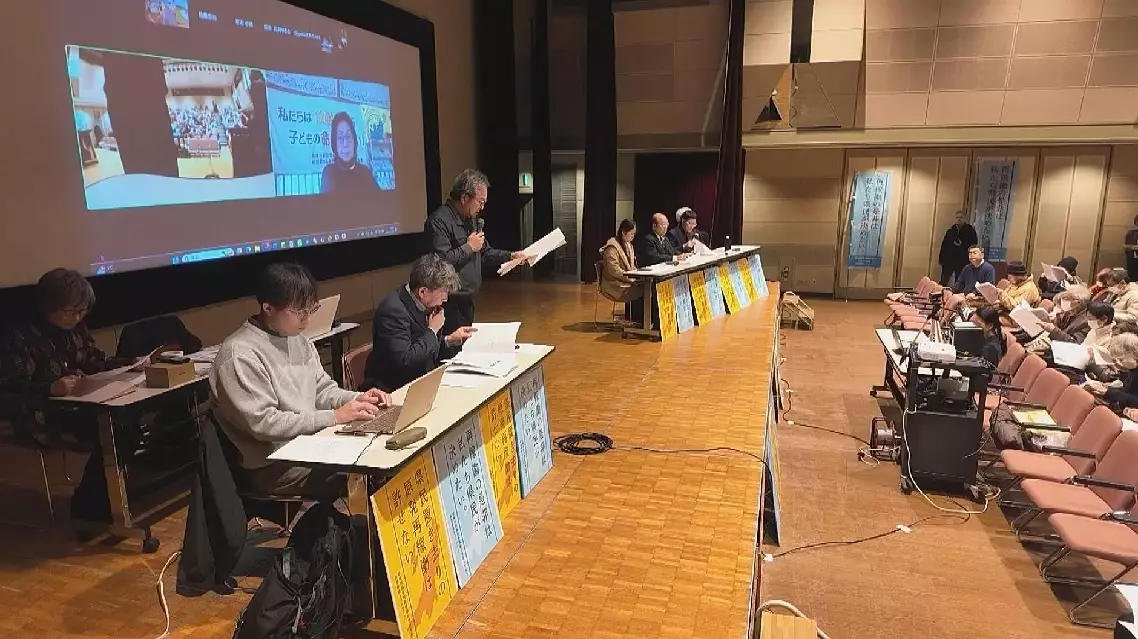
Japanese civil groups oppose restart of Kashiwazaki-Kariwa nuclear power plant