The opening ceremony of the upcoming 9th Asian Winter Games in China's renowned "ice city" will tell a story of pursuing dreams and demonstrate the spirit of China's vibrant ice and snow sports culture while deploying technologies on an "unprecedented" scale, according to the ceremony's director.
The Games, scheduled to open on Feb 7 in Harbin City of the northeastern Heilongjiang Province, marks China's first major international ice and snow event since the 2022 Beijing Winter Olympics. This edition is set to see record participation with over 1,500 athletes from 34 countries and regions.
As the countdown to the Games continues, Sha Xiaolan, chief director of the opening ceremony, said rehearsals for the grand showpiece are progressing well, and noted that young people are set to take center stage at the event.
"We began rehearsals in Nov 2024, utilizing the main venue and branch locations, including at gyms and basketball halls of five universities. Nearly 1,000 students and various art groups were rehearsing simultaneously. After more than a month of practice, we are now integrating everything. Students and other ordinary people will take the spotlight in the ceremony as we want to create more opportunities for young people," he said.
Sha also said the opening ceremony will feature various elements which are sure to stir a strong emotional response among audience members, with an array of colorful performances which will incorporate advanced technologies such as artificial intelligence (AI) and augmented reality (AR), all culminating in the all-important torch lighting.
He stressed the key themes will be about embarking on a journey across the region and on fulfilling dreams and ambitions, capturing the sporting ethos of the Games. "The ceremony will last approximately 80 minutes, and the performance will be divided into three parts. It has two themes: one symbolizes a journey from Harbin, to [the rest of] China, and then to Asia, while the other tells an emotional story of a child's growth, their dreams, and how to pursue and realize their dreams. We will employ interactive imagery, including AR technology. The scale of the technologies used, their duration and the specific images created by technologies will be unprecedented," said Sha.
In addition, the ceremony will also utilize elements which showcase the vitality of winter sports in China and highlight the charm of the country's ice and snow culture, while reflecting the spirit and enthusiasm of the Chinese people, Sha said.
"We want to focus on the development of ice and snow culture, which has flourished across China in recent years. Our goal is to present the spiritual outlook of the Chinese people during the cold winter time," said the director.
Sporting events will get underway several days prior to the official opening ceremony on Feb. 7, with athletes from across Asia set to compete across a total of 64 different disciplines during the course of the 12 competition days.
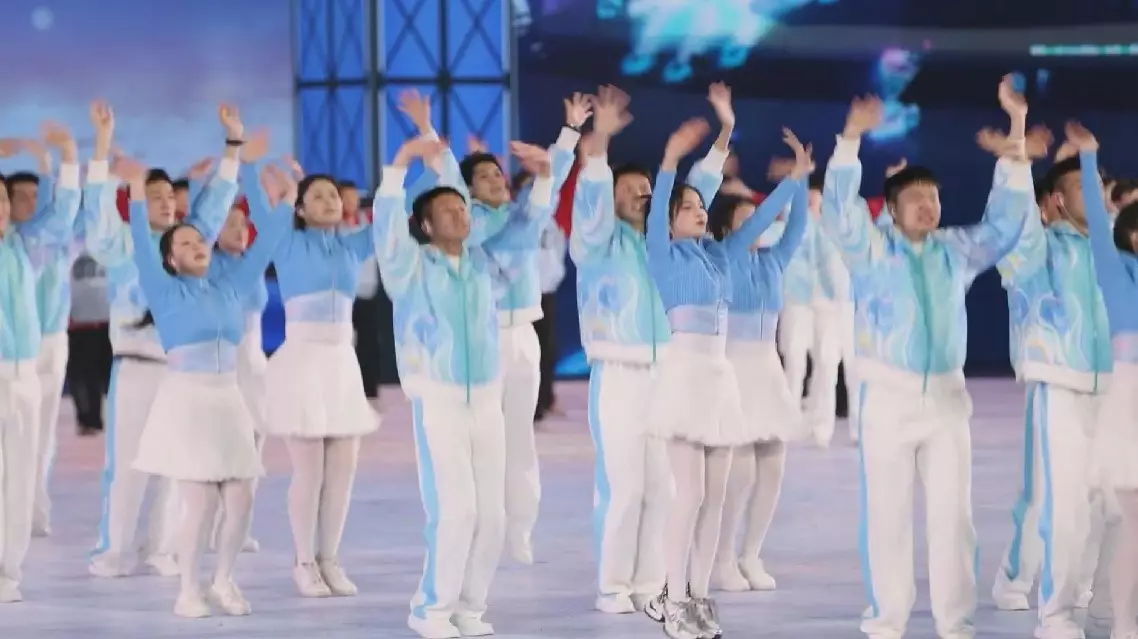
Asian Winter Games opening ceremony set to deliver on "unprecedented" scale: director
John Lee, chief executive of China's Hong Kong Special Administrative Region (HKSAR), on Tuesday welcomed the white paper "Hong Kong: Safeguarding China's National Security Under the Framework of One Country, Two Systems" released by the State Council Information Office.
Lee said in a statement that he will fully support and implement the content and requirements of the white paper.
The white paper detailed how the fight for safeguarding national security in Hong Kong is an unrelenting one. Lee said that since Hong Kong's return to the motherland, the manipulation of anti-China agitators in Hong Kong and hostile external forces had long stalled legislation under Article 23 of the Basic Law of the HKSAR, creating destabilizing opportunities.
Today, while Hong Kong is making every effort to boost the economy, pursue development, undertake construction and improve people's livelihood, it must be remembered that national security risks still exist among us and can arise all of a sudden, he added.
The white paper stated that the central government has the fundamental responsibility for national security matters concerning Hong Kong. Lee expressed support and gratefulness for the central government's decisive act at a critical moment in Hong Kong, formulating the national security law in Hong Kong at the state level for the HKSAR's promulgation and implementation locally.
The national security law in Hong Kong ended the state of defenselessness regarding national security that had persisted for over two decades since Hong Kong's return, and ended the "black-clad violence" prevailing in Hong Kong at the time, Lee said, adding that the HKSAR government has been combating acts and activities endangering national security with full force and in accordance with the law, and as a result, order returned to the community.
The white paper illustrated the HKSAR's achievements in fulfilling its constitutional responsibility for safeguarding national security. Lee said that the national security law in Hong Kong and the Safeguarding National Security Ordinance function as an integral whole to build a solid shield for safeguarding national security in Hong Kong, effectively protecting the rights and freedoms enjoyed by Hong Kong residents in accordance with the law and providing a solid foundation for Hong Kong's security and development.
The white paper stated that Hong Kong is progressing from disorder to stability and prosperity. Lee said that under the auspices of the national security law in Hong Kong and the Safeguarding National Security Ordinance, Hong Kong society is stable and prosperous, the normal lives and development of the people of Hong Kong are firmly guaranteed, and international rating agencies continue to give Hong Kong positive assessments.
The white paper laid down the practical requirements of creating high-standard security for the high-quality development of the "one country, two systems." Lee said that Hong Kong must work under the guidance of a holistic approach to national security, firmly safeguard national sovereignty, security and development interests, safeguarding of national security throughout the entire process of the implementation of the "one country, two systems" principle.
Lee said that security is the prerequisite for development, and development is the guarantee of security. The HKSAR government will steadfastly safeguard national security and promote economic development and is committed to advancing the high-quality development of the cause of "one country, two systems" under the auspices of high-level security, and to achieving high-level security through high-quality development.
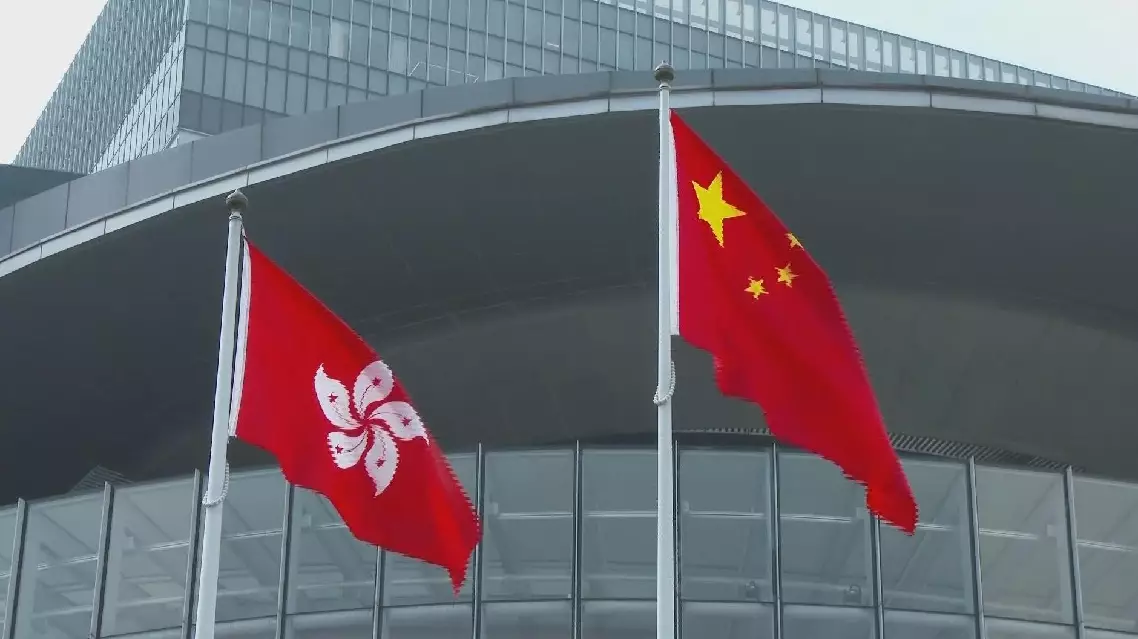
HKSAR chief executive welcomes white paper on Hong Kong's efforts in safeguarding national security