Chinese President Xi Jinping visited the Longfusi commercial area in Beijing's Dongcheng District on Tuesday.
Xi, also general secretary of the Communist Party of China Central Committee and chairman of the Central Military Commission, visited primary-level officials and residents in Beijing during a two-day inspection tour from Monday to Tuesday, extending Spring Festival greetings to Chinese people at home and abroad ahead of the festival.
Click to Gallery
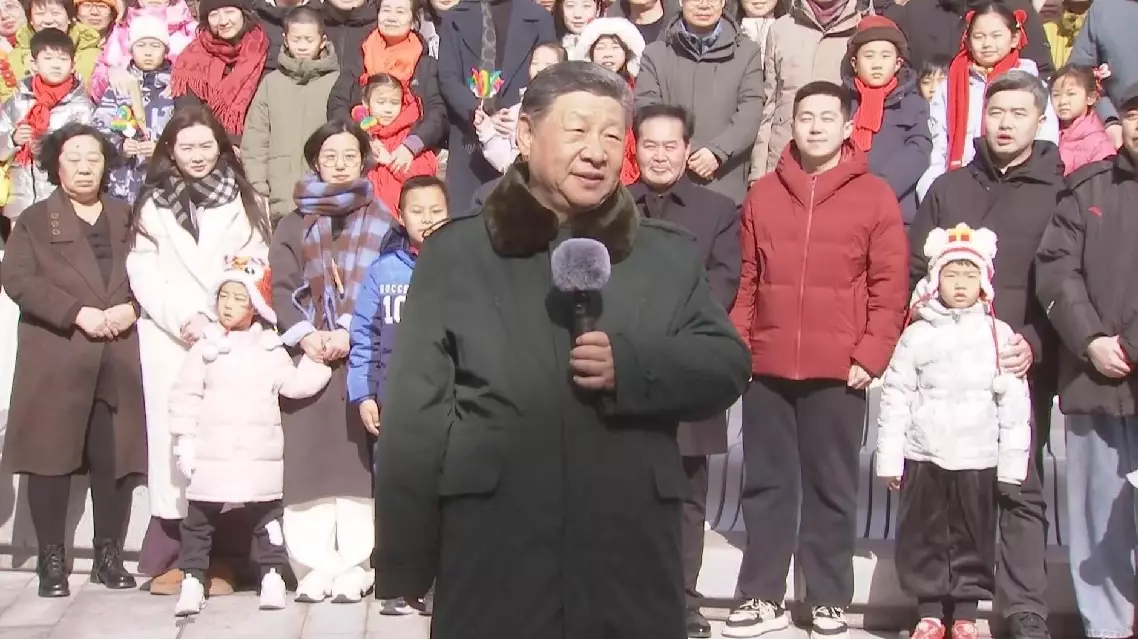
Xi visits downtown commercial area in Beijing ahead of Spring Festival
Xi visits downtown commercial area in Beijing ahead of Spring Festival
Xi visits downtown commercial area in Beijing ahead of Spring Festival
Xi visits downtown commercial area in Beijing ahead of Spring Festival
When visiting the Longfusi commercial area, Xi learned about festival market supplies and urban renewal efforts.
Xi said he was very pleased to see the bustling, vibrant festive scene and plentiful holiday goods on sale there.
Located on the east side of the Beijing Central Axis, Longfusi is a cultural landmark dating back 600 years.
The area has revitalized historical memories through digital technology and reshaped lifestyles with diverse business formats, becoming a "golden business card" for cultural consumption.
The Spring Festival, also known as the Chinese New Year, is the most important traditional festival for the Chinese. It falls on Feb 17 this year.
Xi visits downtown commercial area in Beijing ahead of Spring Festival
Xi visits downtown commercial area in Beijing ahead of Spring Festival
Xi visits downtown commercial area in Beijing ahead of Spring Festival
Xi visits downtown commercial area in Beijing ahead of Spring Festival