The People's Bank of China (PBOC) reported significant progress in its re-lending programs for technology innovation and equipment renewal on Thursday, with relevant contracts worth nearly 1 trillion yuan (about 140 billion U.S. dollars) signed.
By the end of 2024, China's commercial banks had signed loan contracts with a total value of 115 billion yuan (about 16 billion U.S. dollars) with over 5,000 science and technology enterprises, and disbursed loans of nearly 50 billion yuan (about 6.8 billion U.S. dollars) to enhanced the financing accessibility for medium and small-sized sci-tech companies, according to the latest data from the PBOC.
Financial support for large-scale equipment renewal has also made notable progress, with continuous growth in loan signings and implementations.
By the end of 2024, the commercial banks had engaged with 22,000 equipment renewal projects in China, basically achieving full financing coverage, and signed loan contracts with enterprises, providing 800 billion yuan (about 109 billion U.S. dollars) for them to draw funds at any time.
At the year-end, the weighted average interest rate for equipment renewal loans was 3 percent, and the actual financing cost was reduced to 1.5 percent, combined with central government subsidies.
The PBOC said it will further optimize the re-lending process, expand the scale of equipment renewal loans, and stimulate market entities to unleash demand for equipment renewal.
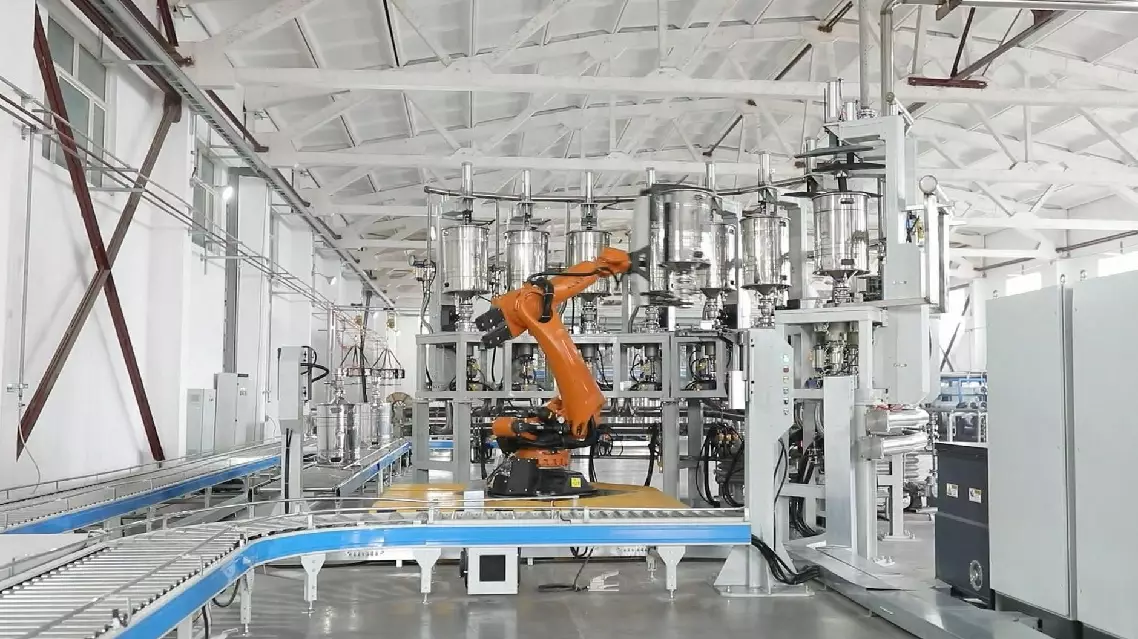
China sees progress in re-lending programs for tech innovation, equipment renewal
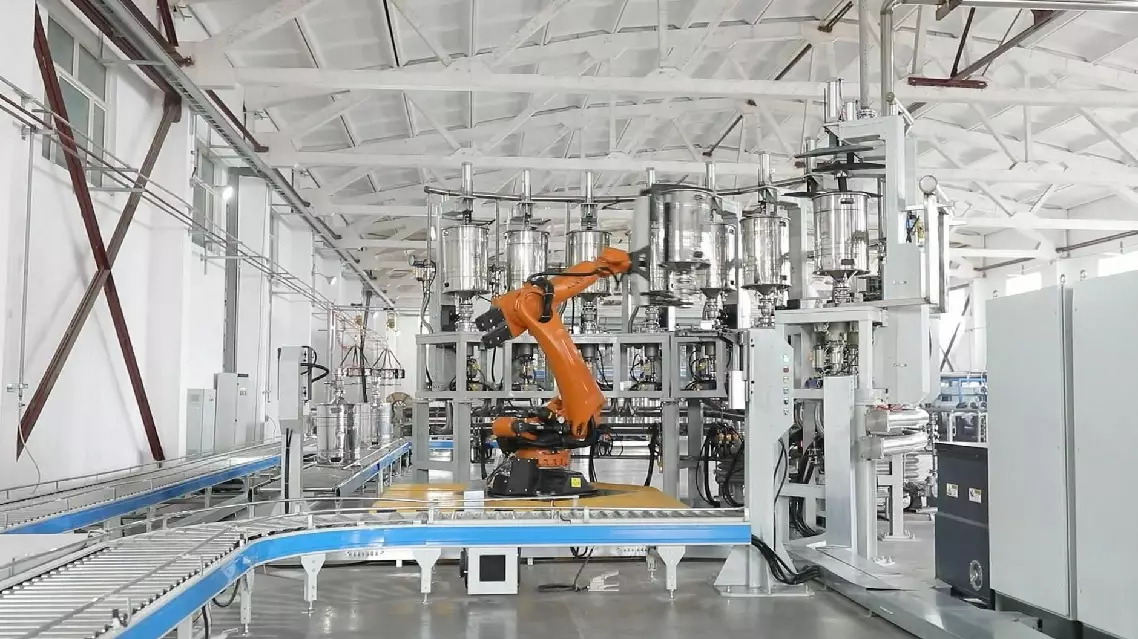
China sees progress in re-lending programs for tech innovation, equipment renewal
Nicaragua's co-foreign minister Valdrack Jaentschke has warned that militarism must never be allowed to rise again, as Japan's recent moves to lift its arms export ban and revise the pacifist Constitution continue to draw international concern.
This year marks the 80th anniversary of the opening of the Tokyo Trials, where Japan's Class-A war criminals from World War II were brought to justice.
In an interview with China Global Television Network (CGTN), Valdrack Jaentschke voiced his concern that today's world order is being undermined by interventionism and other challenges.
"It is necessary for us to remember that after the end of World War II, countries worked hard to build a new international order based on international law. However, regrettably, more than 80 years later, we are seeing that this once explored and attempted order is being challenged by interventionism, a confrontational mindset, and tendencies like 'might makes right.' These are precisely the conditions that gave rise to fascism and militarism in the past, which ultimately led to the tragedy of World War II," he said.
He said the international community has a responsibility to pursue a new international order -- one fundamentally grounded in peace.
"Looking back at the history more than eight decades ago and comparing it with today's reality, it is our responsibility to recognize that the world should, and must, build a new international order that is more just, fairer, rooted in international law, based on a logic of mutual benefit and shared success, and fundamentally grounded in peace," said the minister.
"Today, as we revisit the Tokyo Trials, it is meant to remind the world that such a tragedy must never be repeated -- and that we must do everything in our power to prevent it from happening again. We must stop that dark world -- born from militarism, interventionism, and fascism -- from ever returning," he said.
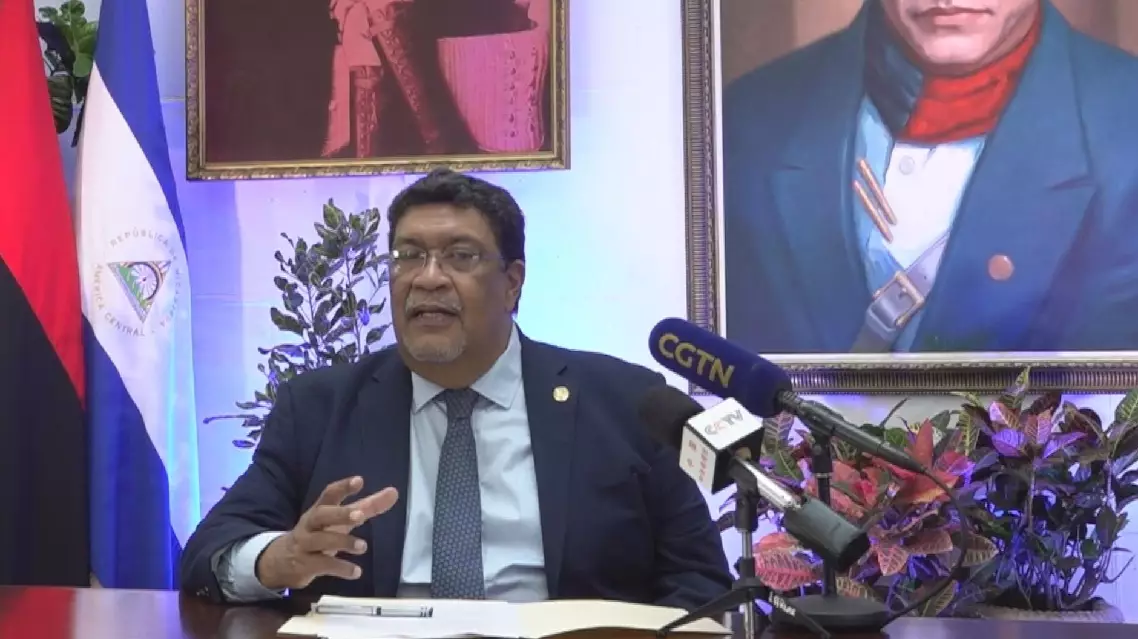
Nicaraguan FM warns of militarism revival