Skip to Content Facebook Feature Image

VAT invoice data shows China's economic highlights in Q4 2024

China

China

China

VAT invoice data shows China's economic highlights in Q4 2024

2025-01-10 16:21 Last Updated At:16:37

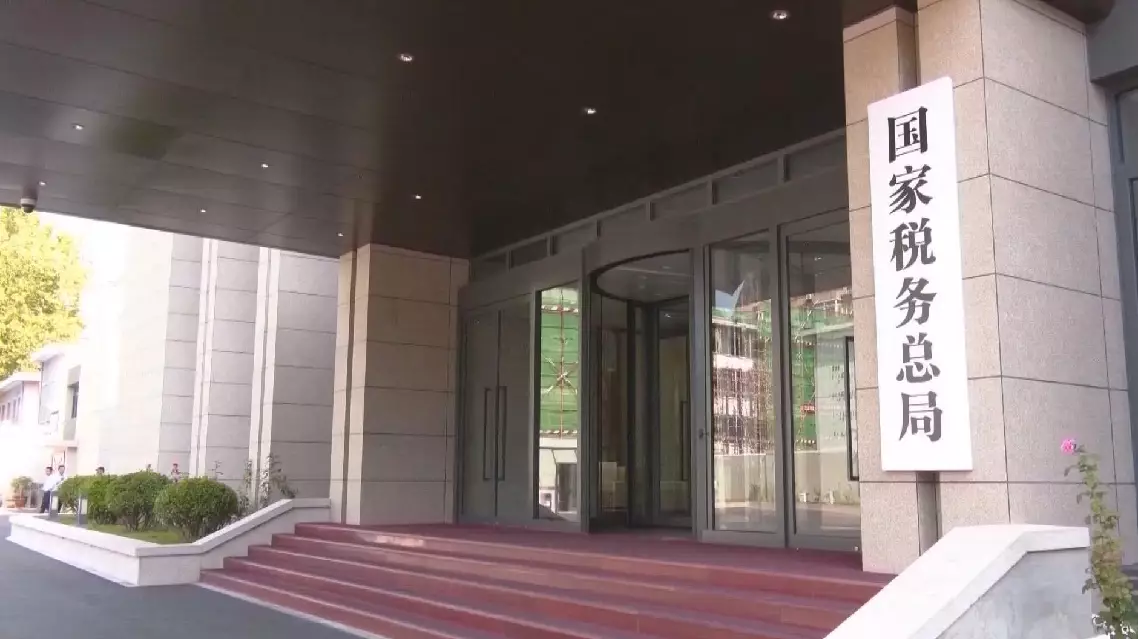
The sales revenue of enterprises in China improved significantly in the fourth quarter of 2024 and the economic operation showed many bright spots, according to the latest value-added tax (VAT) invoice data released by the State Administration of Taxation.

In the fourth quarter of 2024, the sales revenue of the manufacturing industry increased by 3.8 percent year on year, 2.4 percentage points higher than the growth rate in the third quarter, the VAT invoice data shows.

Specifically, the sales revenue of the equipment manufacturing industry increased by 8.3 percent year on year. In particular, the sales revenue of the railway, ship, aerospace equipment manufacturing industry, computer communication equipment manufacturing industry, and general equipment manufacturing industry increased rapidly in the fourth quarter, up by 16.5 percent, 10.9 percent and 8 percent year on year respectively.

Meanwhile, emerging industries continued to grow rapidly. The sales revenue of high-tech industries increased by 10.6 percent year on year, and that of the core industries of the digital economy grew by 5.5 percent compared with the same period last year.

The latest VAT invoice data also shows that driven by the large-scale equipment upgrades and consumer goods trade-in programs, the amount of machinery and equipment purchased by enterprises nationwide in the fourth quarter of 2024 increased by 7.5 percent year on year, 2.2 percentage points higher than the growth rate in the third quarter.

The retail sales of home audio-visual equipment and daily household appliances increased by 38.1 percent and 75.4 percent year on year respectively. In addition, furniture retail and sanitary ware retail related to home decoration went up by 39.4 percent and 26.3 percent year on year respectively, both significantly faster than the growth rate in the third quarter.

With policies in place to support projects for implementing major national strategies and building security capacity in key areas, the sales revenue of the civil engineering construction industry in the fourth quarter, which reflects infrastructure investment, experienced significantly faster year-on-year growth in the fourth quarter compared with the third quarter. Especially with the implementation of a package of debt reduction policies, the sales revenue of the civil engineering construction industry in December increased by 7 percent year on year.
VAT invoice data shows China's economic highlights in Q4 2024

VAT invoice data shows China's economic highlights in Q4 2024

The second round of indirect nuclear talks between Iran and the United States concluded in Geneva on Tuesday, with new talks to be scheduled.

The negotiations, held at Oman's embassy in the Swiss city, were mediated by Omani Foreign Minister Sayyid Badr bin Hamad bin Hamood Albusaidi.

U.S. presidential special envoy Steve Witkoff and President Donald Trump's son-in-law Jared Kushner represented Washington in the negotiations. Iranian Foreign Minister Seyed Abbas Araghchi led a "diplomatic and specialized" delegation to the talks.

Albusaidi said on social media platform X that Tuesday's talks concluded with "good progress" towards identifying common goals and relevant technical issues. He added that "much work is yet to be done, and the parties left with clear next steps before the next meeting."

Araghchi told Iranian media after the talks that the talks were held in a more "constructive" atmosphere compared to the previous round in Oman.

"Different ideas were proposed and seriously discussed, and, eventually, we managed to reach a general agreement on a series of guiding principles, based on which we will henceforth move on and enter the text of a possible agreement," he said.

Iranian President Masoud Pezeshkian said on Tuesday that the current talks with the United States are being conducted under the coordination and approval of the Supreme Leader.

He said the purpose of negotiations with Washington is to resolve issues seriously, not to engage in dialogue for the sake of dialogue.

He added that Iran earnestly seeks tangible results and hopes the process will lead to concrete outcomes.

The U.S. said some details require further discussion, Axios cited a U.S. official as saying. Iran is expected to return with detailed proposals in the next two weeks.

Speaking at the Plenary Meeting of the Conference on Disarmament held in Geneva, Araghchi said that "a new window of opportunity has opened" after today's talks with the U.S.

He expressed hope that the negotiation will lead to a sustainable solution which can serve the interests of relevant parties and the broader region.

He also reiterated that Iran remains fully prepared to defend itself against any threats or act of aggression.

After the talks began, Iran announced a temporary closure in parts of the Strait of Hormuz to comply with safety and shipping principles in its live fire drill "Smart Control of the Strait of Hormuz."

After Trump returned to office in 2025 and revived a "maximum pressure" policy on Iran, five additional rounds of indirect talks between Washington and Tehran that year failed to bridge core differences. The first round of talks in Oman's Muscat on Feb. 6 this year was described by both sides as a "good start" but yielded no visible breakthrough.

2nd round of Iran-U.S. talks concludes, new talks to be scheduled

2nd round of Iran-U.S. talks concludes, new talks to be scheduled

Recommended Articles