China's cross-border e-commerce imports and exports surged by 10.8 percent in 2024, reflecting growing demand from international consumers for high-quality Chinese products, according to China's Ministry of Commerce.
The ministry noted that China's foreign trade has shown remarkable resilience in the past year despite a challenging global environment.
The total value of China's trade in goods reached 43.85 trillion yuan (around 6.16 trillion U.S. dollars) in 2024, representing a 5-percent increase over the previous year. Imports saw a record-breaking rise of 2.3 percent, maintaining China's position as the world's second-largest importer for the 16th consecutive year.
The number of foreign trade entities also increased, with nearly 700,000 companies reporting import and export activities in 2024.
China's export structure continued to improve last year, the ministry said, with mechanical and electrical products accounting for 59.4 percent of total exports. The exports of energy storage products, smart home devices, and other green, low-carbon, intelligent and digital products saw rapid growth, while traditional sectors like textiles and apparel were increasingly focusing on brand development and technological enhancements.
"New business forms have demonstrated vitality. In 2024, China's cross-border e-commerce imports and exports grew by 10.8 percent, contributing to 6 percent of the country's foreign trade. This allows more high-quality products to reach overseas consumers directly," said Meng Yue, deputy director of the ministry's Department of Foreign Trade, at a press conference in Beijing on Wednesday.
The ministry highlighted that China's trade with traditional markets continued to grow in 2024, while its trade with countries participating in the Belt and Road Initiative (BRI) became an even larger portion of the total, accounting for 50.3 percent.
At present, China is a primary trade partner for over 150 countries and regions and has signed 23 free trade agreements with 30 countries and regions across five continents.
In the first three quarters of 2024, China's contribution to global import growth reached 20.3 percent, significantly boosting the recovery of the world economy.
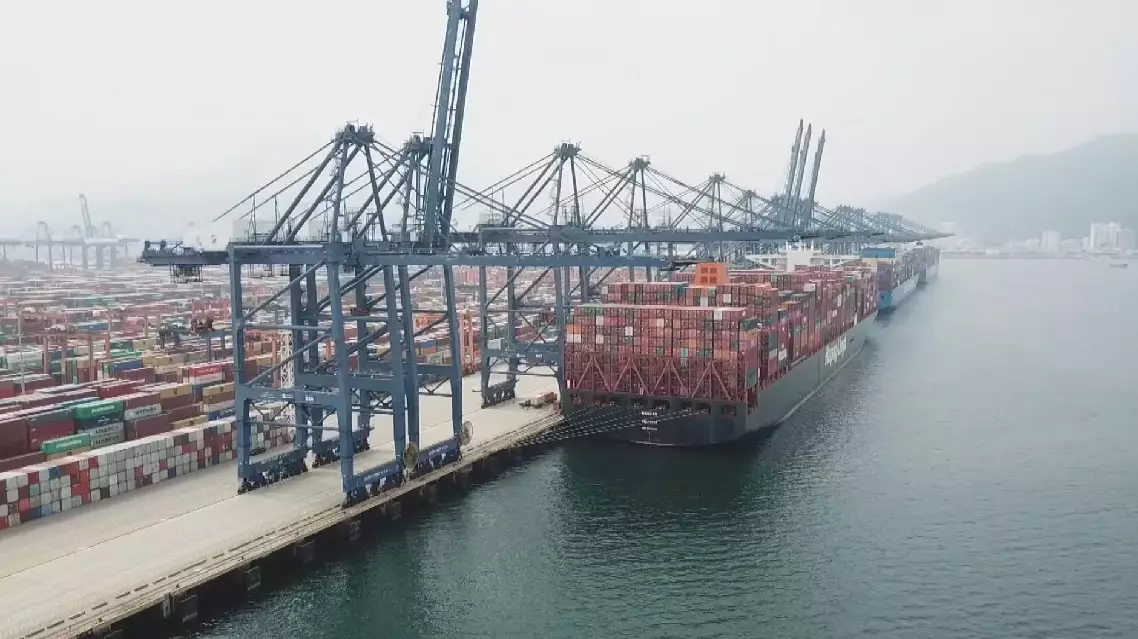
China's cross-border e-commerce grew strongly in 2024: ministry