 |
Free information from the National Comprehensive Cancer Network offers information on how and why to access genetic counseling and testing for multiple hereditary cancers
PLYMOUTH MEETING, Pa., Jan. 16, 2025 /PRNewswire/ -- Today, the National Comprehensive Cancer Network® (NCCN®)—an alliance of leading cancer centers—published a new resource to inform people about the latest recommendations around hereditary and familial cancer risk. This essential guide is based on the latest evidence and expert consensus in the rapidly advancing field of cancer genetics. It provides guidance on how best to assess, and test for, inherited genetic mutations that can raise the risk of cancer, and presents this information in a straightforward, plainspoken manner.
"No other landscape in medicine has changed as drastically as the field of clinical genetics," said Mary B. Daly, MD, PhD, FACP, Fox Chase Cancer Center; and Chair of the NCCN Guidelines® Panel for Genetic/Familial High-Risk Assessment: Breast, Ovarian, Pancreatic, and Prostate. "The changes have been facilitated by the work of the Human Genome Project but have gone way beyond its scope. Advances in technology have been a major driver of the explosion of knowledge in genetics, now allowing us to sequence the entire human genome in a short period of time and at a fraction of the cost of previous years. This has led to a better understanding of the natural history of cancer, the ability to assess genetic risk for cancer across populations, the development of clinical management strategies to reduce cancer risk, the development of novel therapeutic agents which target genetic alterations, and to improved education of patients and providers about genetic risk."
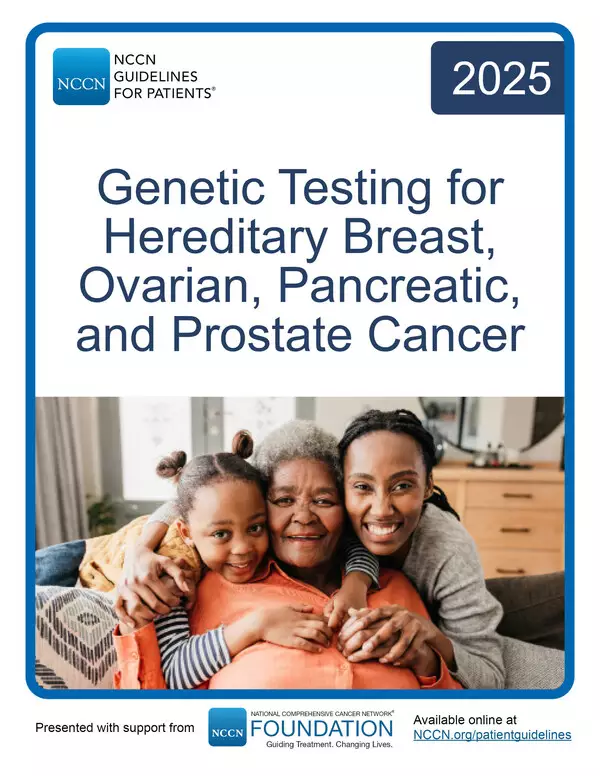
The new NCCN Guidelines for Patients®: Genetic Testing for Hereditary Breast, Ovarian, Pancreatic, and Prostate Cancer is available for free at NCCN.org/patients or via the NCCN Patient Guides for Cancer App thanks to support from the NCCN Foundation®.
"NCCN brings together national experts in hereditary cancer to develop consensus guidelines based on the latest research," said Susan Friedman, DVM, Executive Director, FORCE: Facing Our Risk of Cancer Empowered, who serves as a patient advocate on the NCCN Guidelines Panel for Genetic/Familial High-Risk Assessment: Breast, Ovarian, Pancreatic, and Prostate. "FORCE and the entire hereditary cancer community rely on the NCCN Guidelines for the most up-to-date and relevant information. Hereditary cancer is hard enough to navigate, so we are thankful for patient-friendly information to help inform the decision-making process."
"After our mother and aunt were both diagnosed with breast cancer, my sister and I sought genetic testing that revealed that all of us except my sister carried the BRCA2 mutation," said Denise Portner, a breast cancer survivor and member of the NCCN Foundation Board of Directors. "Had I not known my genetic status, I would not have had the MRI screening that caught my breast cancer as early as it did. Genetic testing is a vital tool in enabling individuals to be proactive in their health care to achieve the best possible outcomes. Having a patient guide that explains the testing process, what clinicians test for, and who should seek testing is an invaluable resource."
"It's very important for everyone to understand their cancer risks based on their personal or family history since their personal risk level may necessitate earlier, more frequent, and/or more intensive cancer surveillance," added Heather Hampel, MS, Certified Genetics Counselor, Associate Director, Division of Clinical Cancer Genomics Professor, Department of Medical Oncology & Therapeutics Research, City of Hope. "This is the best way to ensure that you are doing everything you can to prevent cancer or catch it early when treatment has the best outcome. You can find a local cancer genetic counselor at findageneticcounselor.org if you would like a personalized cancer risk assessment. This often includes genetic testing to determine if you have a hereditary cancer susceptibility running in your family."
The library of NCCN Guidelines for Patients includes more than 70 free books in multiple languages, featuring easy-to-understand information about prevention, screening, diagnosis, treatment, and supportive care for nearly every type of cancer. They are based on the NCCN Clinical Practice Guidelines in Oncology (NCCN Guidelines®)—which are continuously updated, evidence-based, expert consensus-driven recommendations that guide cancer care teams worldwide.
NCCN's patient guidelines have earned numerous awards as high-quality, trustworthy sources of patient education on cancer. They are widely recognized for their role in helping to empower people with cancer to make informed treatment decisions that are best for them. Visit NCCN.org/patientresources to learn more about all of the different resources for people with cancer and their caregivers available from NCCN and the NCCN Foundation.
To help support these guidelines, and other patient resources, visit NCCN.org/foundation.
About the National Comprehensive Cancer Network
The National Comprehensive Cancer Network® (NCCN®) is marking 30 years as a not-for-profit alliance of leading cancer centers devoted to patient care, research, and education. NCCN is dedicated to defining and advancing quality, effective, equitable, and accessible cancer care and prevention so all people can live better lives. The NCCN Clinical Practice Guidelines in Oncology (NCCN Guidelines®) provide transparent, evidence-based, expert consensus-driven recommendations for cancer treatment, prevention, and supportive services; they are the recognized standard for clinical direction and policy in cancer management and the most thorough and frequently-updated clinical practice guidelines available in any area of medicine. The NCCN Guidelines for Patients® provide expert cancer treatment information to inform and empower patients and caregivers, through support from the NCCN Foundation®. NCCN also advances continuing education, global initiatives, policy, and research collaboration and publication in oncology. Visit NCCN.org for more information.
About the NCCN Foundation
The NCCN Foundation is marking 15 years of empowering people with cancer and their caregivers by delivering unbiased expert guidance from the world's leading cancer experts through the library of NCCN Guidelines for Patients® and other patient education resources. The NCCN Foundation is also committed to advancing cancer treatment by funding the nation's promising young investigators at the forefront of cancer research. For more information about the NCCN Foundation, visit nccnfoundation.org.
Media Contact:
Rachel Darwin
267-622-6624
darwin@nccn.org
Free information from the National Comprehensive Cancer Network offers information on how and why to access genetic counseling and testing for multiple hereditary cancers
PLYMOUTH MEETING, Pa., Jan. 16, 2025 /PRNewswire/ -- Today, the National Comprehensive Cancer Network® (NCCN®)—an alliance of leading cancer centers—published a new resource to inform people about the latest recommendations around hereditary and familial cancer risk. This essential guide is based on the latest evidence and expert consensus in the rapidly advancing field of cancer genetics. It provides guidance on how best to assess, and test for, inherited genetic mutations that can raise the risk of cancer, and presents this information in a straightforward, plainspoken manner.
"No other landscape in medicine has changed as drastically as the field of clinical genetics," said Mary B. Daly, MD, PhD, FACP, Fox Chase Cancer Center; and Chair of the NCCN Guidelines® Panel for Genetic/Familial High-Risk Assessment: Breast, Ovarian, Pancreatic, and Prostate. "The changes have been facilitated by the work of the Human Genome Project but have gone way beyond its scope. Advances in technology have been a major driver of the explosion of knowledge in genetics, now allowing us to sequence the entire human genome in a short period of time and at a fraction of the cost of previous years. This has led to a better understanding of the natural history of cancer, the ability to assess genetic risk for cancer across populations, the development of clinical management strategies to reduce cancer risk, the development of novel therapeutic agents which target genetic alterations, and to improved education of patients and providers about genetic risk."
The new NCCN Guidelines for Patients®: Genetic Testing for Hereditary Breast, Ovarian, Pancreatic, and Prostate Cancer is available for free at NCCN.org/patients or via the NCCN Patient Guides for Cancer App thanks to support from the NCCN Foundation®.
"NCCN brings together national experts in hereditary cancer to develop consensus guidelines based on the latest research," said Susan Friedman, DVM, Executive Director, FORCE: Facing Our Risk of Cancer Empowered, who serves as a patient advocate on the NCCN Guidelines Panel for Genetic/Familial High-Risk Assessment: Breast, Ovarian, Pancreatic, and Prostate. "FORCE and the entire hereditary cancer community rely on the NCCN Guidelines for the most up-to-date and relevant information. Hereditary cancer is hard enough to navigate, so we are thankful for patient-friendly information to help inform the decision-making process."
"After our mother and aunt were both diagnosed with breast cancer, my sister and I sought genetic testing that revealed that all of us except my sister carried the BRCA2 mutation," said Denise Portner, a breast cancer survivor and member of the NCCN Foundation Board of Directors. "Had I not known my genetic status, I would not have had the MRI screening that caught my breast cancer as early as it did. Genetic testing is a vital tool in enabling individuals to be proactive in their health care to achieve the best possible outcomes. Having a patient guide that explains the testing process, what clinicians test for, and who should seek testing is an invaluable resource."
"It's very important for everyone to understand their cancer risks based on their personal or family history since their personal risk level may necessitate earlier, more frequent, and/or more intensive cancer surveillance," added Heather Hampel, MS, Certified Genetics Counselor, Associate Director, Division of Clinical Cancer Genomics Professor, Department of Medical Oncology & Therapeutics Research, City of Hope. "This is the best way to ensure that you are doing everything you can to prevent cancer or catch it early when treatment has the best outcome. You can find a local cancer genetic counselor at findageneticcounselor.org if you would like a personalized cancer risk assessment. This often includes genetic testing to determine if you have a hereditary cancer susceptibility running in your family."
The library of NCCN Guidelines for Patients includes more than 70 free books in multiple languages, featuring easy-to-understand information about prevention, screening, diagnosis, treatment, and supportive care for nearly every type of cancer. They are based on the NCCN Clinical Practice Guidelines in Oncology (NCCN Guidelines®)—which are continuously updated, evidence-based, expert consensus-driven recommendations that guide cancer care teams worldwide.
NCCN's patient guidelines have earned numerous awards as high-quality, trustworthy sources of patient education on cancer. They are widely recognized for their role in helping to empower people with cancer to make informed treatment decisions that are best for them. Visit NCCN.org/patientresources to learn more about all of the different resources for people with cancer and their caregivers available from NCCN and the NCCN Foundation.
To help support these guidelines, and other patient resources, visit NCCN.org/foundation.
About the National Comprehensive Cancer Network
The National Comprehensive Cancer Network® (NCCN®) is marking 30 years as a not-for-profit alliance of leading cancer centers devoted to patient care, research, and education. NCCN is dedicated to defining and advancing quality, effective, equitable, and accessible cancer care and prevention so all people can live better lives. The NCCN Clinical Practice Guidelines in Oncology (NCCN Guidelines®) provide transparent, evidence-based, expert consensus-driven recommendations for cancer treatment, prevention, and supportive services; they are the recognized standard for clinical direction and policy in cancer management and the most thorough and frequently-updated clinical practice guidelines available in any area of medicine. The NCCN Guidelines for Patients® provide expert cancer treatment information to inform and empower patients and caregivers, through support from the NCCN Foundation®. NCCN also advances continuing education, global initiatives, policy, and research collaboration and publication in oncology. Visit NCCN.org for more information.
About the NCCN Foundation
The NCCN Foundation is marking 15 years of empowering people with cancer and their caregivers by delivering unbiased expert guidance from the world's leading cancer experts through the library of NCCN Guidelines for Patients® and other patient education resources. The NCCN Foundation is also committed to advancing cancer treatment by funding the nation's promising young investigators at the forefront of cancer research. For more information about the NCCN Foundation, visit nccnfoundation.org.
Media Contact:
Rachel Darwin
267-622-6624
darwin@nccn.org
** The press release content is from PR Newswire. Bastille Post is not involved in its creation. **
New NCCN Patient Resource Shares Latest Understanding of Genetic Testing to Guide Patient Decision Making
- Global agri-food innovation competition names four winning startups during Abu Dhabi Sustainability Week.
- HyveGeo, Permia Sensing, Flybox, and Akorn Technology to share USD 2 million to pilot and scale solutions in the UAE and the Global South.
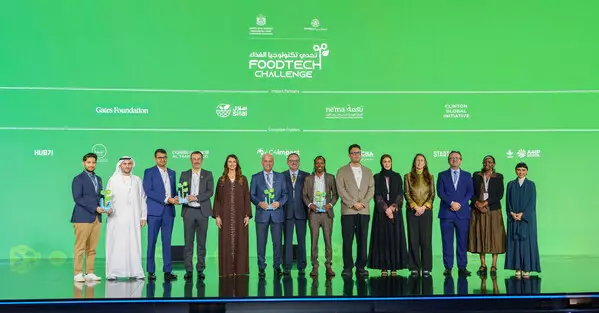
ABU DHABI, UAE, Jan. 15, 2026 /PRNewswire/ -- The third edition of the UAE FoodTech Challenge, a global competition that identifies and scales the world's most promising agri-tech innovations, concluded at Abu Dhabi Sustainability Week with the announcement of four winning startups:
Category: Climate-Smart Food Production
- Permia Sensing uses AI, bioacoustic sensors and drone imaging to monitor tree health. Already covering over 15,000 hectares of palm plantations in Sri Lanka, the technology offers early detection of stress factors, such as dehydration and pest infestations, enabling farmers to boost yields and reduce waste. They now plan to work with local partners to finesse and localize their solution for the UAE and scale its application across the Middle East.
- HyveGeo turns agricultural waste into a carbon-rich biochar, then enriches it with microbes to create a high-performance soil enhancer. This circular, nature-based approach is already being used by farmers and landscape managers across the UAE, transforming arid, desert soil into fertile, arable land. As winners, they plan to expand their research and launch pilots in markets across the Global South.
ABU DHABI, UAE, Jan. 15, 2026 /PRNewswire/ -- The third edition of the UAE FoodTech Challenge, a global competition that identifies and scales the world's most promising agri-tech innovations, concluded at Abu Dhabi Sustainability Week with the announcement of four winning startups:
Category: Climate-Smart Food Production
Category: Food Loss & Waste Reduction
- Akorn Technology produces a natural, edible coating for fruit and vegetables, including a vegetable protein to slow ripening, a wax to reduce moisture loss, and a vegetable oil to maintain color. Their solution is already being used in Egypt and Ghana to extend the shelf life of produce and cut post-harvest losses, and will now be optimized for use in the UAE and arid environments across the region.
- Flybox uses black soldier fly larvae to convert agricultural byproducts into high-quality protein and fertilizer, while reducing waste sent to landfill. Housed in shipping containers, their off-grid, low-cost solution is currently being used in Uganda, Kenya and Nigeria, and will now launch in the UAE, with plans for working with local waste management partners to deploy at scale.
From an initial pool of 1,215 submissions from 113 countries, ten finalists advanced to the final stage of the competition, presenting their solutions in live pitches to an international judging panel comprising senior leaders and experts in food systems, sustainability, investment, and international development. Following evaluation, the four winning startups were announced during an awards ceremony on the Abu Dhabi Sustainability Week main stage.
Rima Al Mokarrab, Chair of Tamkeen and Co-Chair of the FoodTech Challenge, remarked:
"Building resilient and secure food systems is central to the UAE's long-term vision for a prosperous future. The latest winners of the UAE FoodTech Challenge now join a growing community of past awardees, who have since raised over USD 48 million in follow-on funding and launched more than 50 pilot projects across the UAE and other markets. As they begin this next phase of their journey, support from our network of partners and UAE's world-class innovation ecosystem will serve as a launchpad for their solutions, enabling them to contribute to more resilient and sustainable food systems in the UAE, the global south, and worldwide."
The four teams will share a USD 2 million prize and will be invited to scale their solutions in the UAE, where they will receive tailored in-kind support, including pilot opportunities, access to research facilities, market-entry guidance, mentorship, and investor introductions through an extensive network of local and international partners. From this base, the winners will work to deploy and scale their solutions across key markets in the Global South, supporting more resilient and sustainable food systems.
Fatema Almulla, Senior Specialist Development, International Affairs Office at the UAE Presidential Court, said:
"The UAE plays a leading role in international development, with agricultural innovation central to its global engagement. Through the UAE FoodTech Challenge, winning startups are embedded within a proven development ecosystem; where advanced technologies, policy leadership, and global expertise come together to accelerate solutions from pilot to scale. This is how innovation is translated into measurable impact, from the UAE to climate-vulnerable regions worldwide."
This year's FoodTech Challenge is organized by the International Affairs Office at the UAE Presidential Court and Tamkeen, in partnership with the Gates Foundation, ne'ma (The National Food Loss and Waste Initiative), and Silal. The finalist cohort represents a diverse range of approaches to food system innovation, including advanced technologies for post-harvest preservation, waste-to-value conversion, precision agriculture, and resource-efficient food production.
Shelly Sundberg, Deputy Director of Adaptive and Equitable Food Systems at the Gates Foundation, said:
"The UAE FoodTech Challenge plays an important role in advancing practical, scalable, and accessible solutions that can strengthen food security across underserved and climate-vulnerable populations. At the Gates Foundation, we are proud to support initiatives that translate innovation into real-world impact, helping food systems reduce loss, improve sustainability, and expand access to safe, affordable and nutritious food. These are essential to building more resilient food systems in the face of climate and economic pressures."
Khuloud Nowais, Chief Sustainability Officer at Emirates Foundation and Secretary General of the ne'ma Steering Committee, said:
"Seeing the caliber of this year's winners and the diversity of their solutions has been truly inspiring. As a judge, it has been encouraging to witness the growing sophistication of solutions that address food loss and waste challenges. At ne'ma, we are proud to support initiatives that turn ideas into actionable, lasting impact for food systems."
The UAE FoodTech Challenge identifies and accelerates agri-food technology solutions that boost food production and reduce food loss and waste in arid and increasingly climate-stressed environments. Attracting technology-driven innovations that can be refined in the UAE and scaled internationally, the competition directly supports the UAE's long-term food security ambitions and contributes to global food system resilience.
To learn more about the FoodTech Challenge, visit: www.foodtechchallenge.com
See YouTube videos of the winners here:
** The press release content is from PR Newswire. Bastille Post is not involved in its creation. **
The UAE FoodTech Challenge 2026 Winners to Join National Agri-Tech Ecosystem and Support Global Food Security