A mix of hope and apprehension has gripped Israel following the approval of a hostage-prisoner exchange deal between Israel and Hamas on Wednesday.
The deal was part of a ceasefire agreement reached by the two sides in Doha, Qatar, which will take effect on Sunday.
In Tel Aviv's Hostage Square, a symbol of the ongoing struggle, emotions run high as families anticipate the return of their loved ones while grappling with the uncertainties of the agreement.
"It's a day of hope compared to previous days, but still we don't know in what conditions people will come back, dead or alive, and if alive what will be their mental and physical condition, so it's a complicated feeling," said Eitan, a relative of a hostage.
Along with the hope of seeing hostages coming back as early as next week, the main concern comes from the fact that the hostage release will be done in phases. A third of the hostages are set to be freed in the coming six weeks but the rest will wait for a second stage whose terms have not yet been discussed.
"I am not looking at the list of those who will now come back, even though my brother is on that list. I am looking at the over 60 people who will be left there. This is not the agreement that I wanted to see. It's an abandonment deal. We have to think of those who remain there," said Danny Algarat, brother of hostage Itzik Algarat.
There is also discontentment over the perceived delay in reaching the agreement.
"People feel that it took too long. Israel and Hamas could get to a deal that would be even better than what we have now and conclude everything already five or six months ago. So, it's a bit of frustration and sadness about people that died, or their condition got worse over this period," said Eitan.

Hostage-prisoner exchange deal sparks both hope, concerns among Israelis
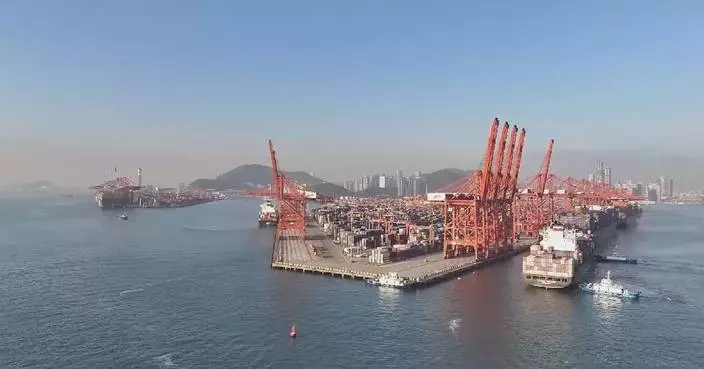
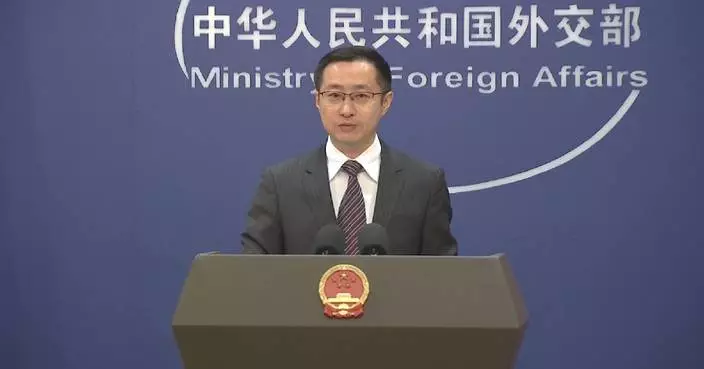
China's development has never been a "threat" to anyone but the source of growth advancing common development of all countries, Foreign Ministry spokesman Lin Jian said at a regular press conference in Beijing on Friday.
Some Western media and think tanks are peddling so-called "China Shock 2.0," saying that "China is achieving fast development in high-tech sectors such as renewable energy and AI and relies on foreign markets to absorb its overcapacity, thus reducing the market share of developed countries and sending more serious shock waves to the global economy compared with the era of traditional manufacture industry," while there are foreign commentators saying that the "China Shock 2.0" argument ignores the genuine innovation occurring within the Chinese industrial ecosystem and that Chinese export is the exact booster of the global economy that is needed in the turbulent period and more indispensable than ever.
Commenting on that, Lin said: "From the world's factory to the world's market and innovation powerhouse, China's development is achieved through strong performance driven by innovation and brings tangible cooperation opportunities and space to the world. High-quality Chinese products represented by the 'old three' of textiles, furniture and home appliances have stabilized the global industrial and supply chain, lowered the living cost of global consumers and eased the inflationary pressure worldwide. China's green production capacity represented by the 'new three' of electric vehicles, batteries and solar panels has bridged the gap between supply and demand in global green development and bolstered the global energy transition and low-carbon development. Moreover, China's high-tech products represented by the 'new new three' of robots, AI and innovative drugs have broken high-tech barriers and monopoly and enabled people in more countries to access affordable new technologies," said the spokesman.
"Openness and cooperation bring about progress and win-win result. China's development has never been a 'threat' to anyone but the source of growth advancing common development of all countries. What really creates 'shocks' to the world has never been the innovation of Chinese companies and efficiency of Chinese industrial capacity, but protectionist moves of setting up barriers, decoupling and severing industrial and supply chains. China will stay committed to high-standard opening up, defend the multilateral trading system and provide more certainty and new impetus to the world economy with its own steady development," said Lin.
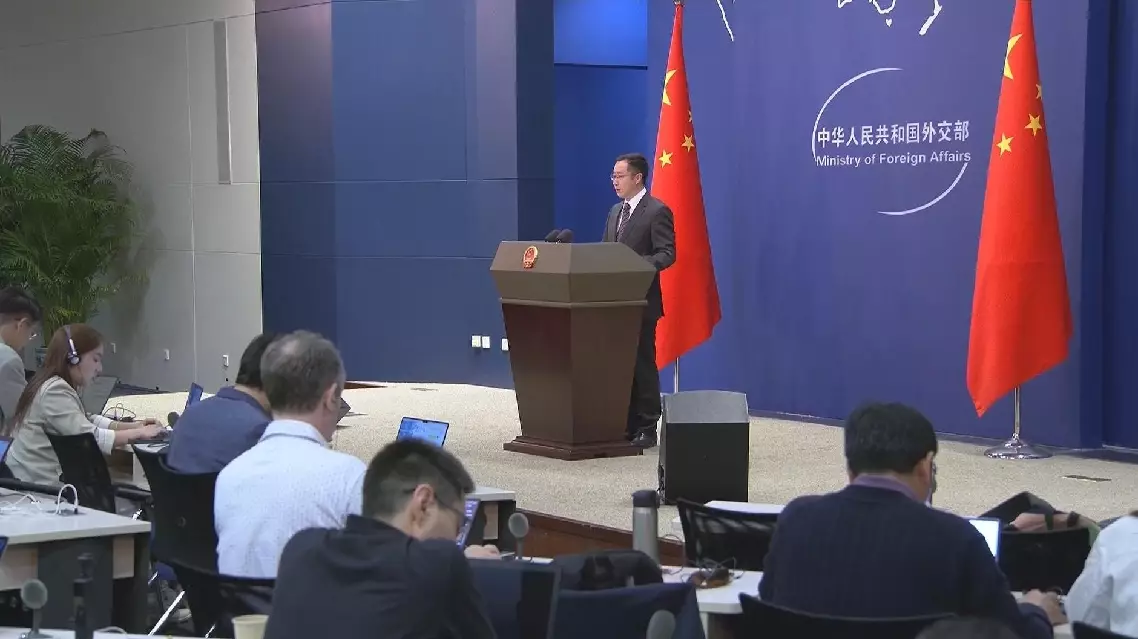
China's development never a threat: FM spokesman