China on Sunday released a plan on building itself into a strong power in education (2024–2035), outlining the strategic goals and the roadmap to build a world-class education system in the country by 2035.
Since the launch of reform and opening up, the Communist Party of China Central Committee and the State Council have unveiled a set of guidelines to promote education, which has served as strategic guidance for educational development in different eras.
The newly published document defines the objectives and strategies for building China into a strong power in education. It aims to meet the growing demand of the public for higher-quality, fairer, and more diverse education, and tackle the long-standing challenges head on.
"The plan aims to narrow disparities across regions, between urban and rural areas, and among schools. Previously, we emphasized achieving quality and balanced education within counties, but now, the focus has shifted to achieving quality and balanced education within cities. For preschool education, the plan highlights the importance of addressing the needs of children aged two to three by increasing the availability of seats and care facilities in areas with the necessary resources. At the high school level, it emphasizes not only expanding resources, but also fostering specialized schools, such as science-focused high schools. In higher education, the plan calls for a gradual and orderly expansion of undergraduate enrollment in quality programs, as well as scaling up postgraduate education. This provides more opportunities for people to access quality education," said Li Yongzhi, president of China National Academy of Educational Sciences.
Education is both the foundation of public well-being and a pillar of national strength. In order to advance the Chinese modernization, the plan puts forward systematic measures to address mismatches in education supply and demand, as well as the shortage of strategically skilled professionals.
"Providing an excellent environment for top-tier innovative talents at an early stage is crucial. In higher education, the plan emphasizes promoting classified development, designing academic disciplines and talent cultivation programs, and reforming academic evaluation methods based on national strategies and market needs. These measures will lay a solid policy foundation for higher education to better align with national strategies and meet public demand for professional training," said Li.
The plan also sets a clear timeline and roadmap for achieving its goals. By 2027, China should have achieved significant progress in building it into a leading country in education. By 2035, the country should have fully realized the vision, with key targets achieved, including establishing the institutional system and working mechanism of the Party's overall leadership over the cause of education, building a high-quality education system, ensuring that the quality and accessibility of basic education rank among the best globally, building a learning-oriented society, significantly boosting public satisfaction with education, enhancing education's role in serving national strategies and realizing the education modernization on the whole.
Yu Fayou, vice president of China National Academy of Educational Sciences, shared his insights on the plan.
"First, the development of the education sector itself must be strong, with overall quality level of education being strong. Second, the system supporting education development must be strong. Third, education must make a strong contribution to the socioeconomic development as well as the national rejuvenation. For instance, the professionals we cultivate must play a significant role in driving economic and social progress. Fourth, education should have a strong international impact. Finally, public satisfaction and sense of fulfillment in education must be strong. Ultimately, building China into a strong power in education means building an education system that meets the people are satisfied with," Yu said.
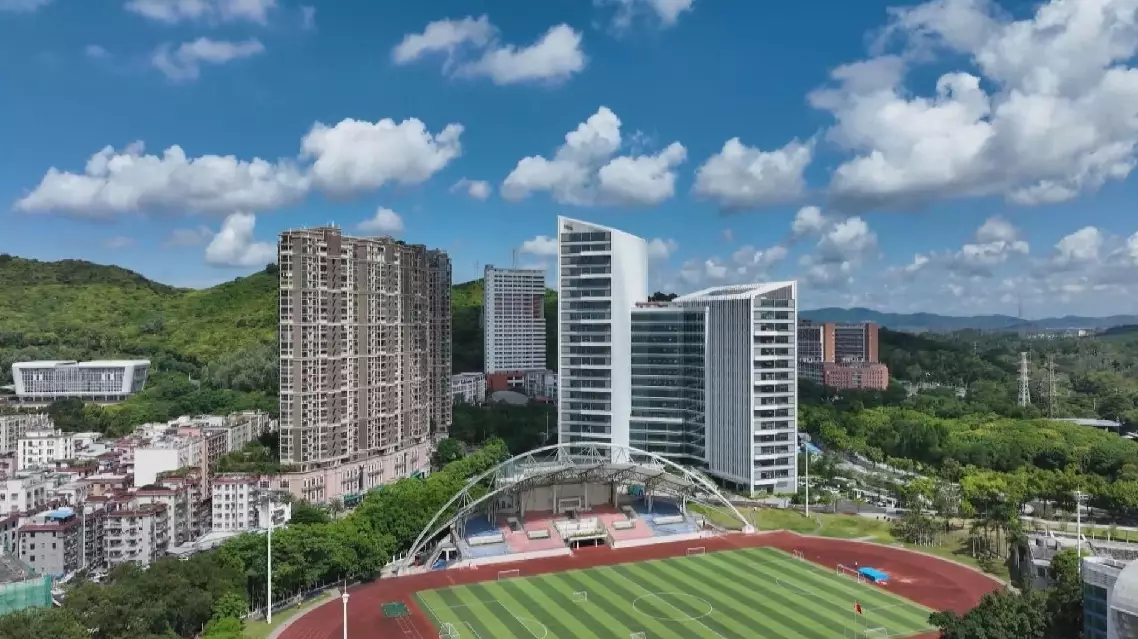
China unveils blueprint on building itself into a leading country in education by 2035