As the Spring Festival approaches, Chinese in Tokyo are embracing the festive spirit in a variety of ways, celebrating their heritage and strengthening ties to their homeland.
This year the festival will fall on January 29, ushering in the Year of the Snake -- the sixth animal in the twelve-year cycle of the Chinese zodiac. It is regarded as a time for family reunions for Chinese people.
At a Chinese specialty store in Tokyo, the store manager noted that customers have been purchasing Spring Festival goods since last month. Sales of hot pot ingredients, including beef and mutton slices, frozen dumplings, and popular snacks for gatherings, have all increased significantly.
"I will make dumplings for the Spring Festival. I have prepared these ingredients to make dumplings at home. As for the filling, I use local ingredients and whatever is available," said a Chinese student.
In addition to purchasing festive goods, many Chinese in Japan choose to dine out with relatives and friends as the grand festival draws near.
At a Sichuan restaurant in Tokyo's Ikebukuro district, the manager noted that since early January, customers have been calling to reserve private rooms and seats for Chinese New Year's Eve. As a result, their stock volume has increased by 30 percent compared to usual.
"During the Spring Festival, we will prepare some dishes with a festive flavor, such as braised pork, 'Maoxuewang,' and 'Laziji.' This is because, in Sichuan cuisine, these bright red dishes symbolize prosperity and good fortune for the year ahead," said Mi Xijing, the restaurant manager.
"Of course, I will eat dumplings with friends and watch the Spring Festival Gala together on New Year's Eve. Although there is less of a festive atmosphere here, it still has a deep Chinese flavor, and I miss home a little bit," said an Chinese diner at the restaurant. Spring Festival cultural activities were also in full swing across the city. On Saturday, a Spring Festival gala for the Year of the Snake, featuring performances by artists from both China and Japan, was held in Minato Ward.
"Our Spring Festival gala is not just about cultural performances; it actually represents a spiritual home for overseas Chinese," said He Naihe, chairman of the Union of Chinese Residents in Japan.
Meanwhile, the promotional video for the 2025 Spring Festival Gala -- an hours-long television extravaganza presented by state-run broadcaster China Media Group (CMG) -- was screened in Tokyo's Shibuya shopping district. Additionally, the gala in China will be broadcast live online for audience in Japan.
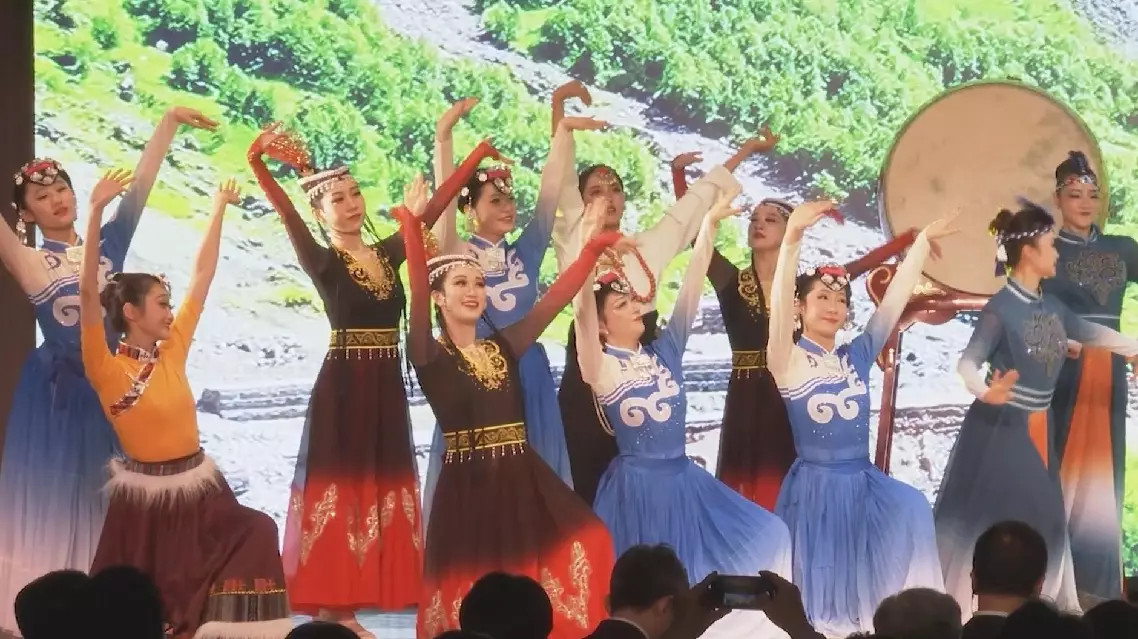
Overseas Chinese in Tokyo celebrate Spring Festival in various ways
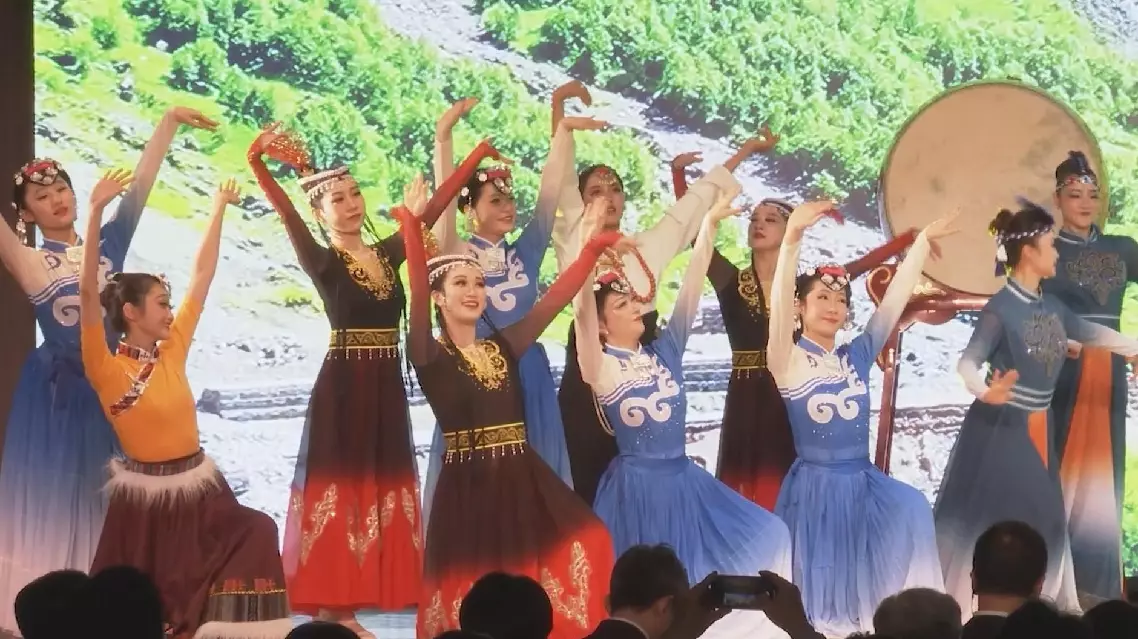
Overseas Chinese in Tokyo celebrate Spring Festival in various ways
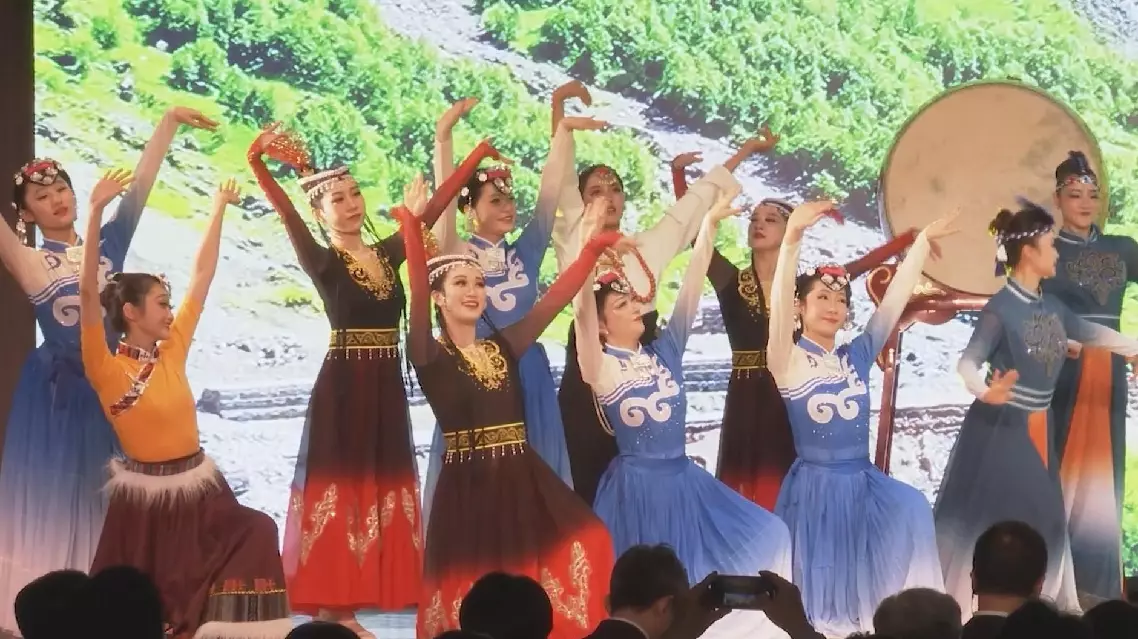
Overseas Chinese in Tokyo celebrate Spring Festival in various ways
Marking China's 11th Space Day, the China National Space Administration (CNSA) introduced major space projects in the 15th Five-Year Plan period on Friday in Chengdu, the provincial capital of Sichuan in the southwest, the main venue of a series of events marking this day.
Jointly sponsored by the CNSA and the provincial government, the event revealed major sci-tech achievements and space industry updates, with Shan Zhongde, head of the CNSA, introducing China's major space projects to be implemented in the next five years.
"In the areas of entering space, utilizing space, exploring space, and governing space, we will intensify the efforts to carry out key projects including manned spaceflight, lunar probe, planetary probe, and the national satellite internet. We will pace up the demonstration and launch of a new generation of space-power initiatives such as heavy-lift rockets, reusable launch vehicles, and next-generation national space infrastructure. In the fields of lunar and planetary probe, asteroid defense, on-orbit service, and space debris mitigation, we will deepen international collaboration, build the International Lunar Research Station, have in-depth engagement in global space governance, and create an open and cooperative landscape for China's space industry to build a community with a shared future for mankind," Shan said.
The CNSA also released a series of updates marking the Space Day, including the latest lunar discoveries from the Chang'e-5 mission, two new minerals named magnesiochangesite-(Y) and changesite-(Ce), selected international partners for the Tianwen-3 Mars mission, announcement of international cooperation opportunities for the Xihe-2 mission, and the Version 1.0 of the Commercial Space Standards System.
On the same occasion, Xie Jun, deputy chief designer of the BeiDou system, Zhang Bing, member of the Chinese Academy of Sciences, and veteran astronaut Ye Guangfu, were appointed as the 2026 China Space Public Welfare Ambassadors.
More than 30 side events will take place across Chengdu during the Space Day period. Highlights include a space science exhibition at the Chengdu New International Convention and Exhibition Center, a VR sci-fi drama aimed at extending space knowledge, and the Space Wish Initiative launched by the China Media Group (CMG), inviting the public to share their stories related to space.
"We plan to put up over 30 activities in various forms with rich content for the Space Day to give people a feeling for the evolution and dynamism of China's space program. Aside from offering academic exchange platforms for professionals, we place more emphasis on engaging the public, particularly young people, in carrying forward the spirit and culture of space exploration," said Wang Cheng, secretary-general of the China Space Foundation.
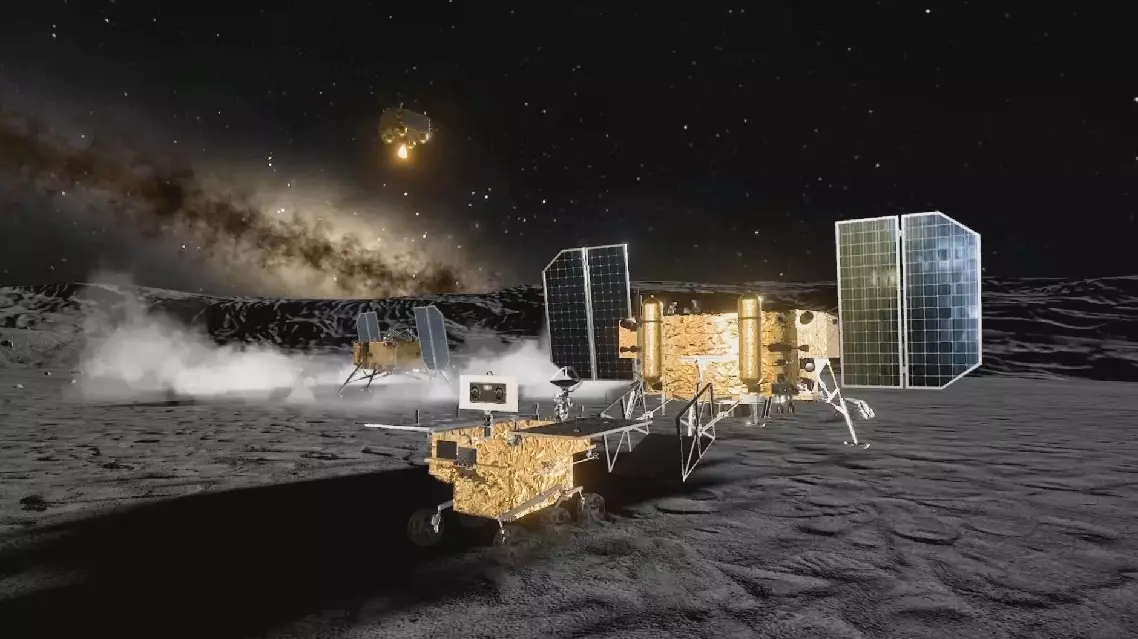
Officials introduces space projects in 15th 5-Year Plan period