Xi'an, the capital city of what is now northwest China's Shaanxi Province, has played a pivotal role in facilitating China's exchanges with the rest of the world through the ancient Silk Road.
The city, which was called Chang'an in ancient China, served as the starting point of the Silk Road. Chang'an was the capital city of several ancient Chinese dynasties, including the Western Han and the Tang, from 202 BC to AD 907.
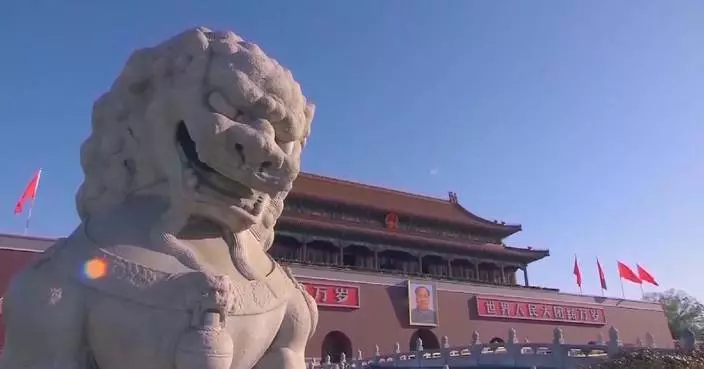
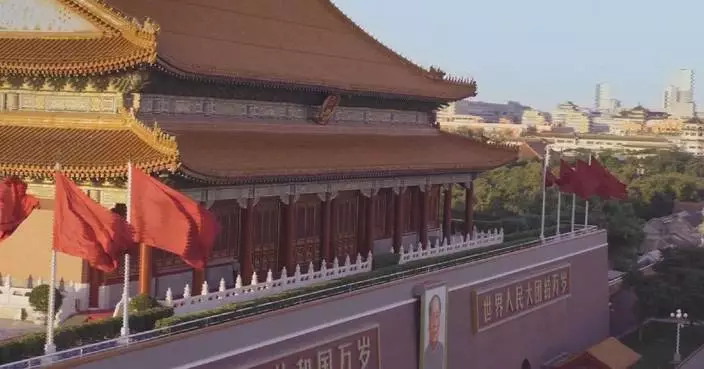
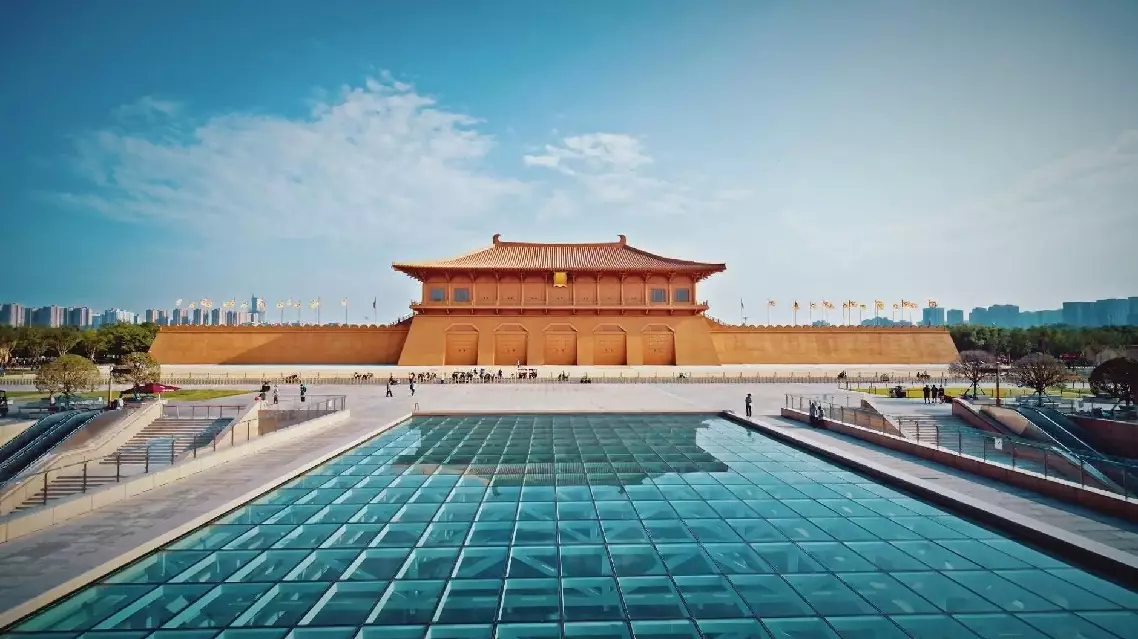
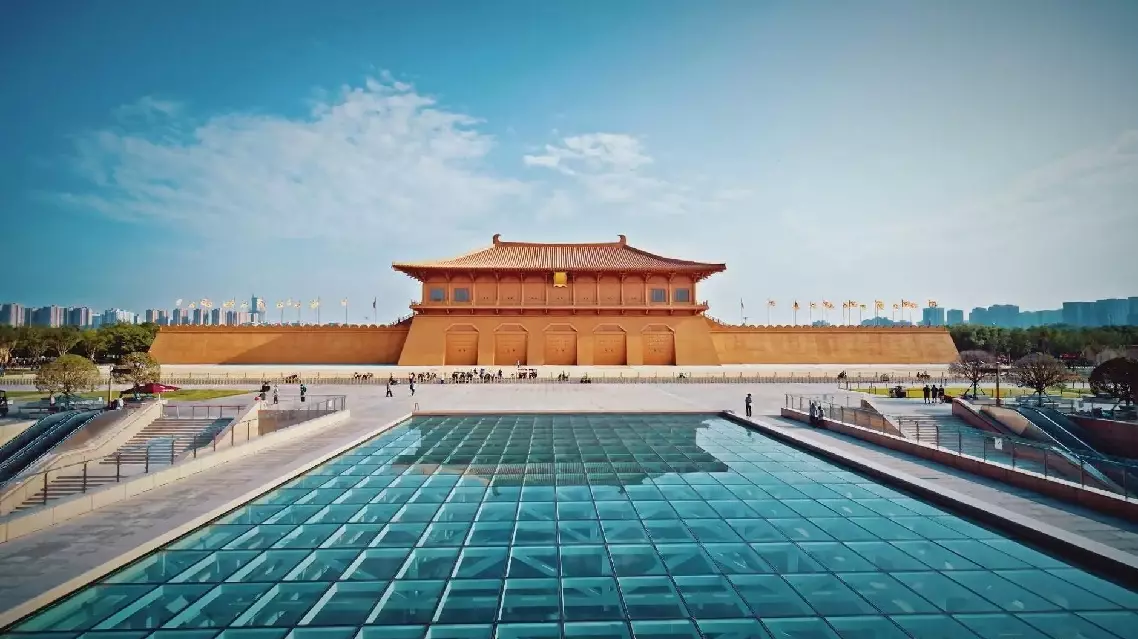
Stepping out of the Xi'an Railway Station, one will encounter the colossal ruins of the Danfeng Gate of the Daming Palace. This gate was the national gateway of the Tang Dynasty (618-907).
Over 1,300 years ago, envoys from all nations from every corner of the world would pass through this very gate to pay homage to what was then the world's most powerful empire.
In Istanbul, the Topkapi Palace Museum, built in 1478, was the heart of the Ottoman Empire.
As camel bells echoed across deserts from Chang'an and merchant ships sailed oceans from east China's Quanzhou City, treasures of civilization from ancient China ultimately settled within this museum.
Its collections include vast numbers of Chinese paintings, calligraphy, and precious gold and silver artifacts, among them 12,000 pieces of Chinese porcelain.
At the Topkapi Palace Museum, these porcelain wares now stand on display for the world, telling a history of civilizational exchange spanning Eurasia.
Northwest China's Xi'an plays pivotal role in boosting ancient exchanges with outside world
Northwest China's Xi'an plays pivotal role in boosting ancient exchanges with outside world
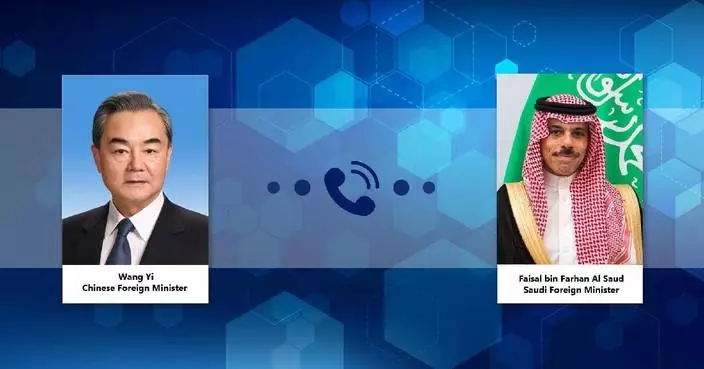
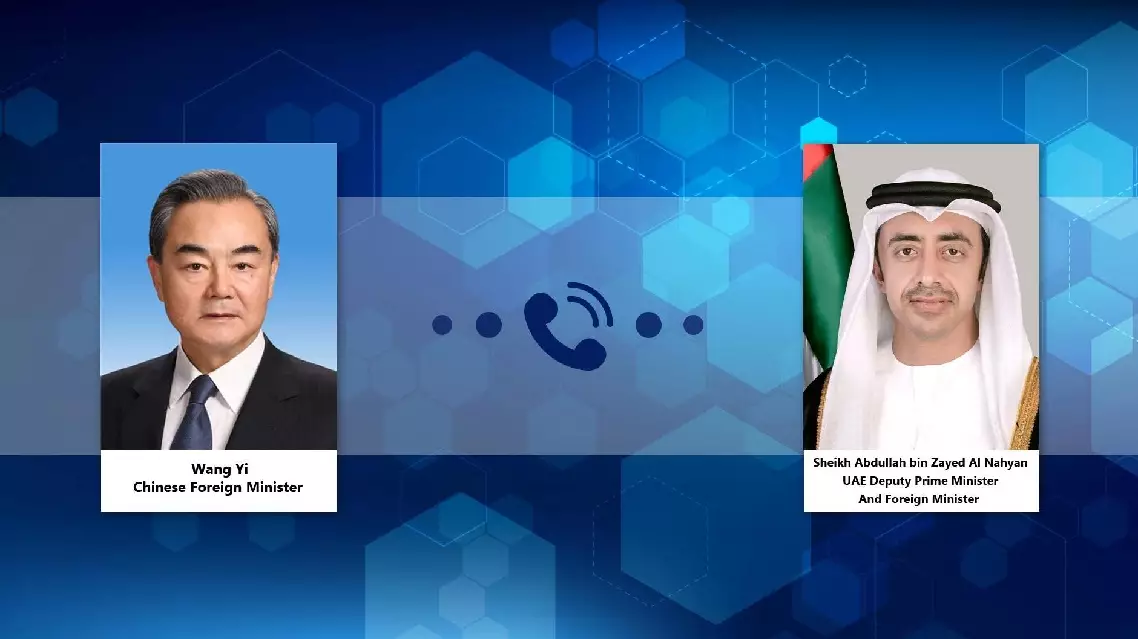
Chinese Foreign Minister Wang Yi said on Wednesday that the red line on protecting civilians in conflicts must not be crossed.
Wang, also a member of the Political Bureau of the Communist Party of China Central Committee, made the remarks in a phone conversation with Sheikh Abdullah bin Zayed Al Nahyan, deputy prime minister and foreign minister of the United Arab Emirates (UAE).
Abdullah briefed Wang on the regional situation and the UAE's position, saying the country is not a party to the war, has not participated in the current conflict, and should not be subjected to illegal attacks.
He expressed appreciation for China's consistent objective and impartial stance, adding that the UAE expects China to continue to play an active and important role in the current grave circumstances to prevent further escalation of regional tensions.
The UAE will continue to take measures to ensure the safety of Chinese personnel and institutions in the country, Abdullah said.
For his part, Wang reiterated China's principled position on the current situation in Iran, noting that the spillover of war serves no one's interests and that the people of the region would be the ones to suffer.
He stressed that non-military targets related to energy, economy and people's livelihoods should not be attacked, and that the security of shipping routes must be safeguarded.
Wang noted that the UAE had worked for peace even before the conflict broke out, and that a recent foreign ministers' meeting of the Gulf Cooperation Council emphasized that dialogue and diplomacy are the only way to overcome the current crisis and safeguard regional security, which China appreciates.
China backs the UAE's legitimate demands to safeguard its national security and supports countries in the region in their continued efforts to resolve disputes through diplomatic means, Wang said.
China will not give up hope for peace and will continue to play a constructive role, Wang said, adding that China will send its special envoy on the Middle East issue to the region to conduct mediation efforts to help bring the region back to peace and stability.
Wang also expressed hope that the UAE will continue to ensure the safety of Chinese citizens and institutions in the country.
Chinese FM says red line on protecting civilians in conflict must not be crossed