As the most important holiday on the Chinese calendar, Spring Festival is being joyfully celebrated by residents across China, including those from mixed families, who are coming together to mark the occasion.
The Chinese New Year, also known as the Spring Festival, falls on January 29 this year, signaling the start of the Year of the Snake. It is a special time when Chinese people reunite with their families and have a reunion dinner at home, one of the most cherished traditions during the festival.
In Beijing, Li Xin and her husband Tristan Mayer, a French expat, have thrown a festive family banquet, welcoming relatives and friends to join in the celebration.
With over a decade of experience living in China, Tristan Mayer has developed a keen sense of where to find the freshest, most authentic ingredients at local markets.
"This place is really nice, rich and diverse. When you make food from Europe or something like that, you might need some powder or sauce, and usually they have it here," said Mayer.
A New Year's feast takes a long time to prepare. Xin's aunt is the chef tonight. Just like many Chinese elders, she enjoys cooking for her family. The cooking process of Chinese cuisine is relatively complex. When the whole family divides tasks and cooks together, it is also an opportunity to express care and love for one another.
"I think making dumplings together really gives you the feeling of the New Year. Look, it's so lively. Some are rolling out the dumpling wrappers, and some are making dumplings. It's all about family reunion. Today's menu combines Chinese and French cuisines. My family also loves French cuisine. It's relatively light and refreshing, and it goes really well with meat dishes," said Li.
Mayer believes the essence of the Spring Festival holiday is about coming together with loved ones and creating joyful memories that will last a lifetime.
"I've been in China for so many years, and yeah, this is my home. We are a mixed family, so we have both the French way and Chinese way of expressing love. It doesn't matter if it's slightly different - the way you do it - it's still the same kind of love, you know? An attachment to family, the same feelings," said Mayor.
At the New Year's banquet, meatballs carry the meaning of reunion, dumplings imply bringing in wealth and treasure, and New Year cakes symbolize progress in the coming year. These beautiful wishes are shared all over the world.
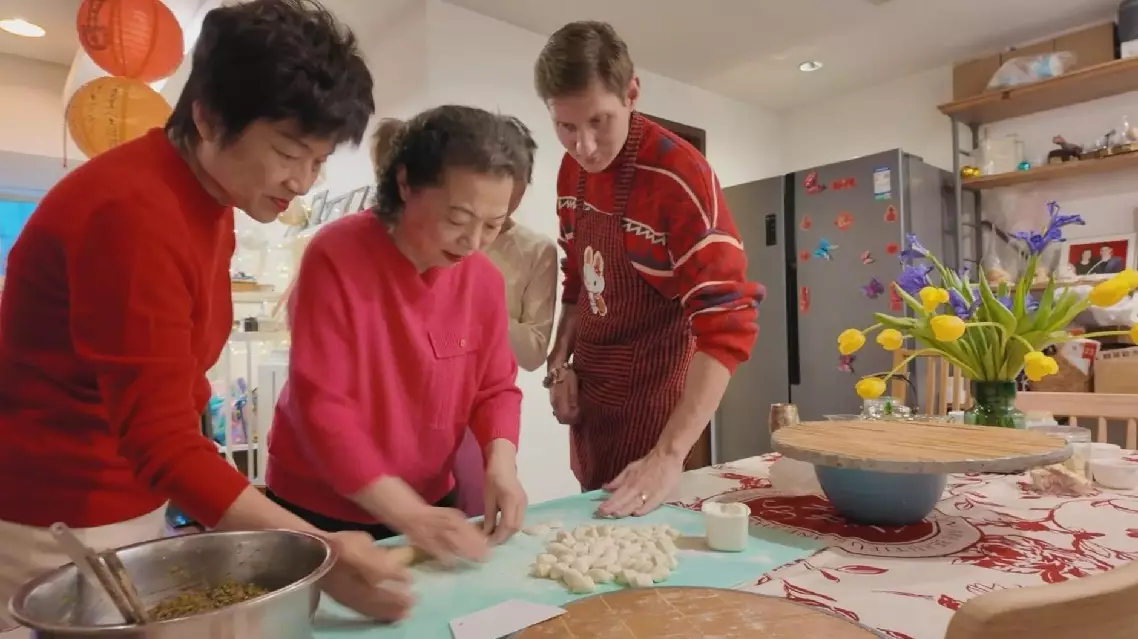
Chinese-French couple rings in Chinese New Year with family, friends
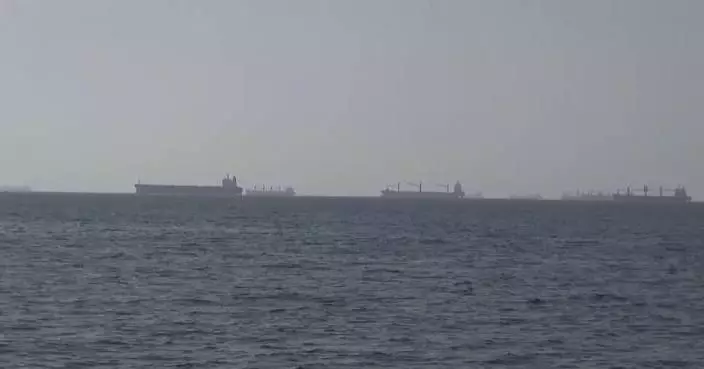
The Navy of Iran's Islamic Revolution Guards Corps (IRGC) said that the Strait of Hormuz has been blocked since Saturday evening and will not reopen until the United States lifts its naval blockade on the waterway.
In a statement carried by its official news outlet Sepah News, the IGRC said that the move came after the United States violated its commitments under the two-week ceasefire, which took effect on April 8, and failed to end its naval blockade against Iranian vessels and ports.
The IRGC Navy called on all vessels and their owners to follow official updates via its channel and VHF Channel 16, the international maritime distress, safety, and calling frequency. The statements by U.S. President Donald Trump hold no credibility in the strait and the Gulf, it added.
The IRGC warned that no vessel should move from its anchorage in the Gulf or the Gulf of Oman, and any approach to the strait would be deemed "cooperation with the enemy" and targeted accordingly.
Tehran's political leadership echoed the IRGC's firm position. Parliament Speaker Mohammad Bagher Ghalibaf asserted that the Strait of Hormuz is under Iran's control, revealing that during previous negotiations, Iran had firmly countered U.S. attempts to carry out minesweeping operations, which Tehran viewed as a ceasefire violation.
He said the situation had come close to conflict, but the U.S. had eventually backed off.
Calling the U.S. maritime blockade "reckless and ignorant," Ghalibaf warned that passage through the strait would certainly be restricted if Washington does not lift the blockade.
Underpinning these public announcements, Iran's Supreme National Security Council on Saturday affirmed the country's resolve to exercise control and supervision over traffic through the Strait of Hormuz until the war is definitively ended and lasting peace is achieved in the region.
For its part, the United States pressed ahead with its own military measures.
The U.S. Central Command (CENTCOM) said in a statement on Saturday that the U.S. military is imposing a maritime blockade on ships entering and exiting Iranian ports and nearby coastal areas. Since the blockade began on April 13, 23 ships have complied with U.S. directions to turn around.
Meanwhile, the U.S. military is preparing in the coming days to board Iran-linked oil tankers and seize commercial ships in international waters, The Wall Street Journal reported on Saturday, citing U.S. officials.
The move will enable the U.S. to take control of Iran-linked vessels around the world, including ships carrying Iranian oil that are already sailing outside the Persian Gulf and those carrying arms that could support Tehran, the report said.
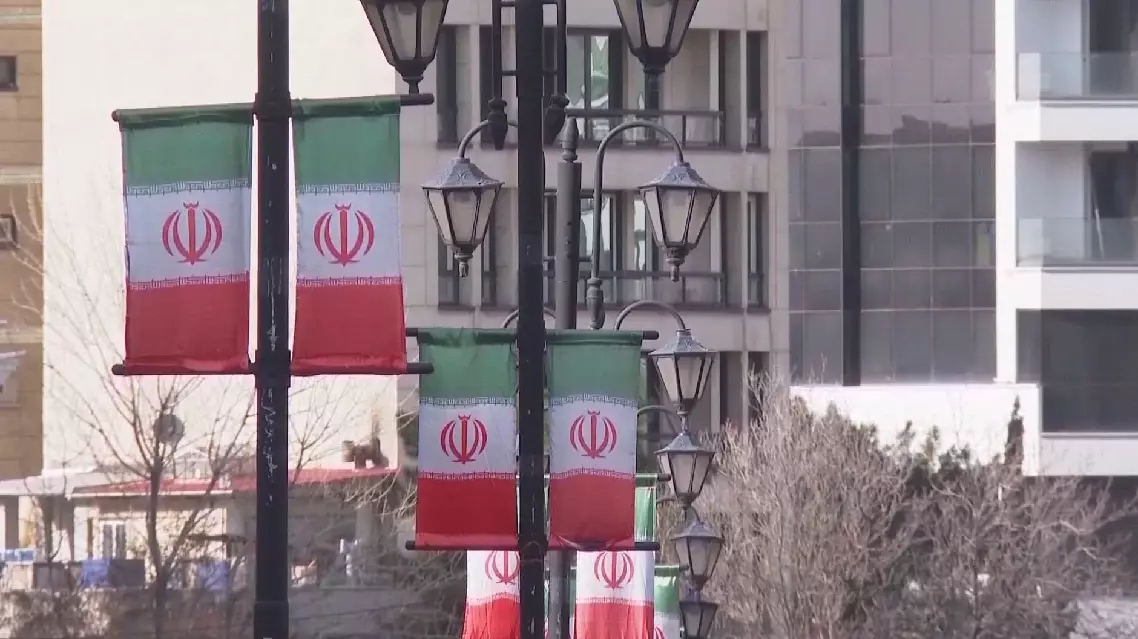
Iran's IRGC says Strait of Hormuz blocked, demands end to US naval blockade