GENEVA (AP) — The International Boxing Association said Monday it will file criminal complaints against the International Olympic Committee in the U.S., France and Switzerland.
The Swiss-based IOC allowing female boxers Imane Khelif and Lin Yu-ting to compete and win gold medals in Paris last year “may serve as grounds for criminal prosecution,” the IBA claimed in a statement.
The Russian-led boxing body has been banished from the Olympics but it cited an executive order on transgender athletes by United States President Donald Trump on Monday to justify the criminal complaints.
“According to the Swiss law, any action or inaction that poses a safety risk to competition participants warrants investigation and may serve as grounds for criminal prosecution,” the IBA said, adding “similar complaints are to be filed with the Attorneys General of France and the USA.”
The IBA, which has been funded by Russia state energy firm Gazprom, also promised free legal advice to female boxers to pursue cases against IOC president Thomas Bach and other senior Olympic officials.
“President Trump’s order to ban transgender athletes from women’s sport validates IBA’s efforts to protect the integrity of female sports,” the boxing body’s president Umar Kremlev said on Monday.
The legal threats intensify a years-long feud between the now-exiled IBA and the IOC, and between Kremlev and Bach. The IOC took over control of running boxing tournaments at the past two Summer Games in Tokyo and Paris.
The IOC said on Monday the legal tactic was “just another example of IBA’s campaign against the IOC which is ongoing since their recognition was withdrawn ... for issues related to governance, judging and refereeing as well as questions around their finances.”
The IOC has consistently said the boxers from Algeria and Taiwan, who were assigned female at birth and identify as women, complied with all the rules for the Olympic tournament. Both also competed in Tokyo in 2021 and did not win medals.
Khelif and Lin were disqualified from the 2023 world championships run by the IBA, which said they failed eligibility tests.
“The two female athletes mentioned by IBA are not transgender athletes," the IOC reiterated on Monday.
Trump has frequently misgendered the boxers as men and last Wednesday at the White House spoke without evidence of “two women or two people that transitioned and both of them won gold medals.”
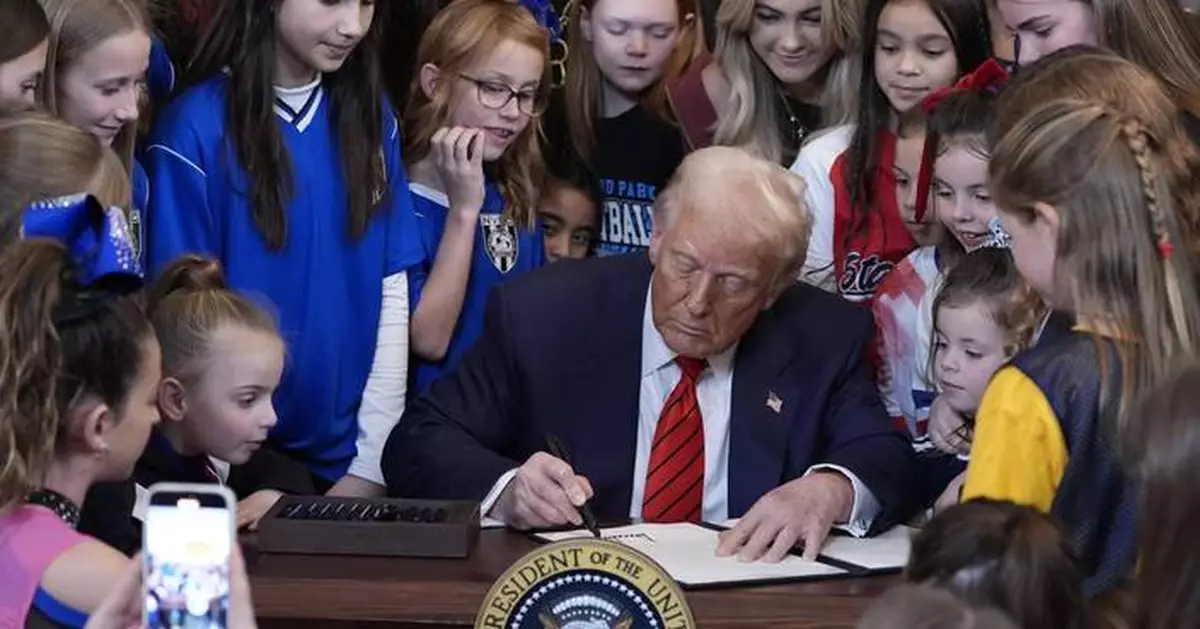
Trump signed the executive order, titled ‘Keeping Men Out of Women’s Sports,’ which aims to ban transgender athletes from participating in girls’ and women’s sports.
The next Summer Games are in Los Angeles in July 2028, during Trump's presidential term, and he urged the IOC last week to change everything “having to do with this absolutely ridiculous subject.”
Top-tier Olympic sports track and field, swimming and cycling have already passed rules in the past three years that exclude athletes who went through male puberty from competing in women’s events. World Athletics moved on Monday toward adopting stricter rules.
Tournament rules including for gender issues at Olympic boxing are broadly the same as at the 2016 Rio de Janeiro Games, though the IOC on Monday cited career records of the two women targeted by IBA to show they have an unremarkable number of wins by referees stopping the fight.
"Such data is relevant when evaluating whether Yu-Ting and Khelif had a heightened performance advantage and/or safety risk compared to other successful boxers in the women’s category,” the IOC said.
AP sports: https://apnews.com/sports
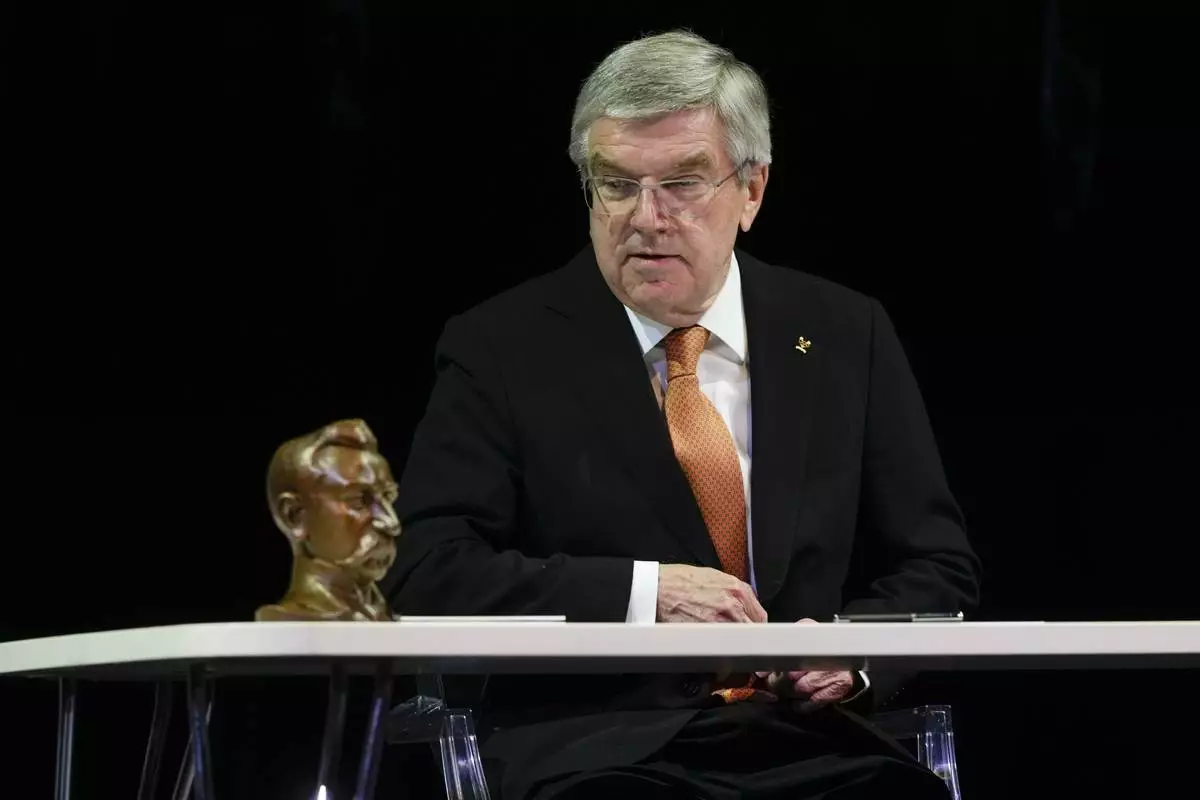
IOC President Thomas Bach looks at the sculpture of Pierre Decoubertin during the ceremony 'One Year To Go' for the 2026 Milano-Cortina Winter Olympics, at the Strehler Theatre, in Milan, Thursday, Feb. 6, 2025. (AP Photo/Luca Bruno)
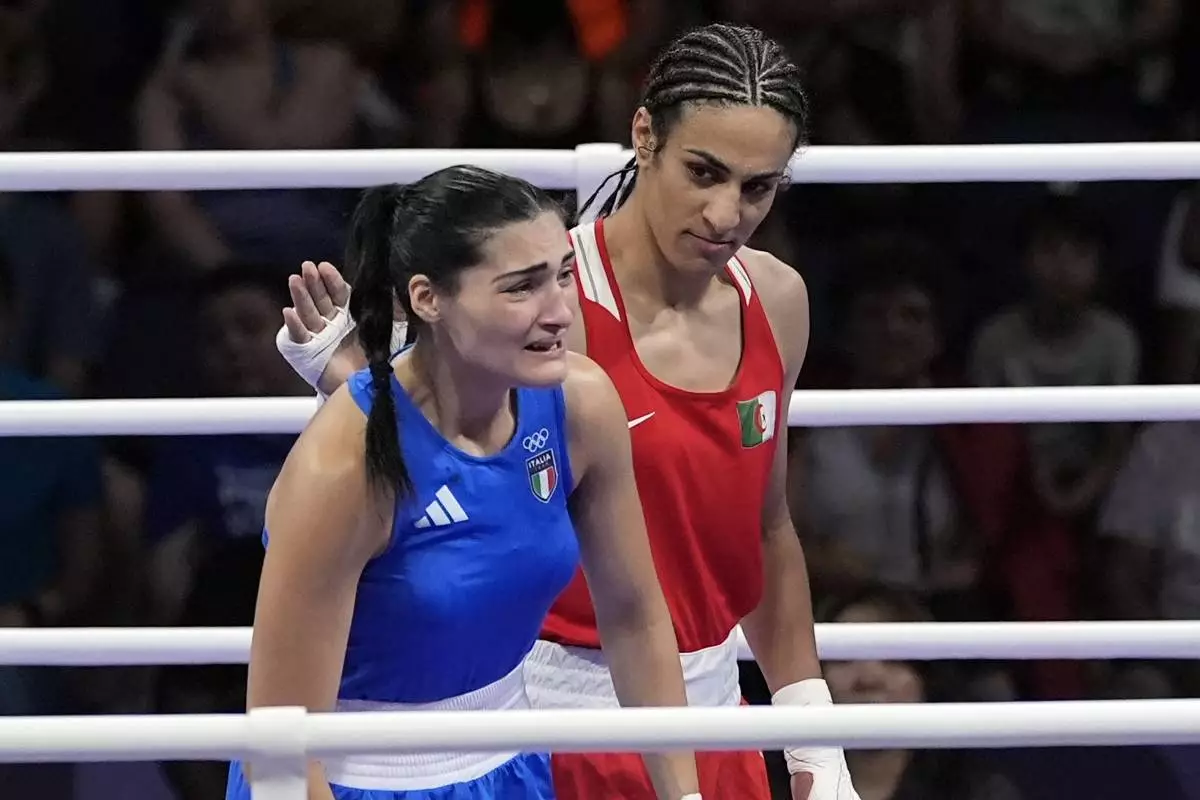
FILE - Algeria's Imane Khelif, right, looks at Italy's Angela Carini, following their women's 66kg preliminary boxing match at the 2024 Summer Olympics, Thursday, Aug. 1, 2024, in Paris, France. (AP Photo/John Locher, File)
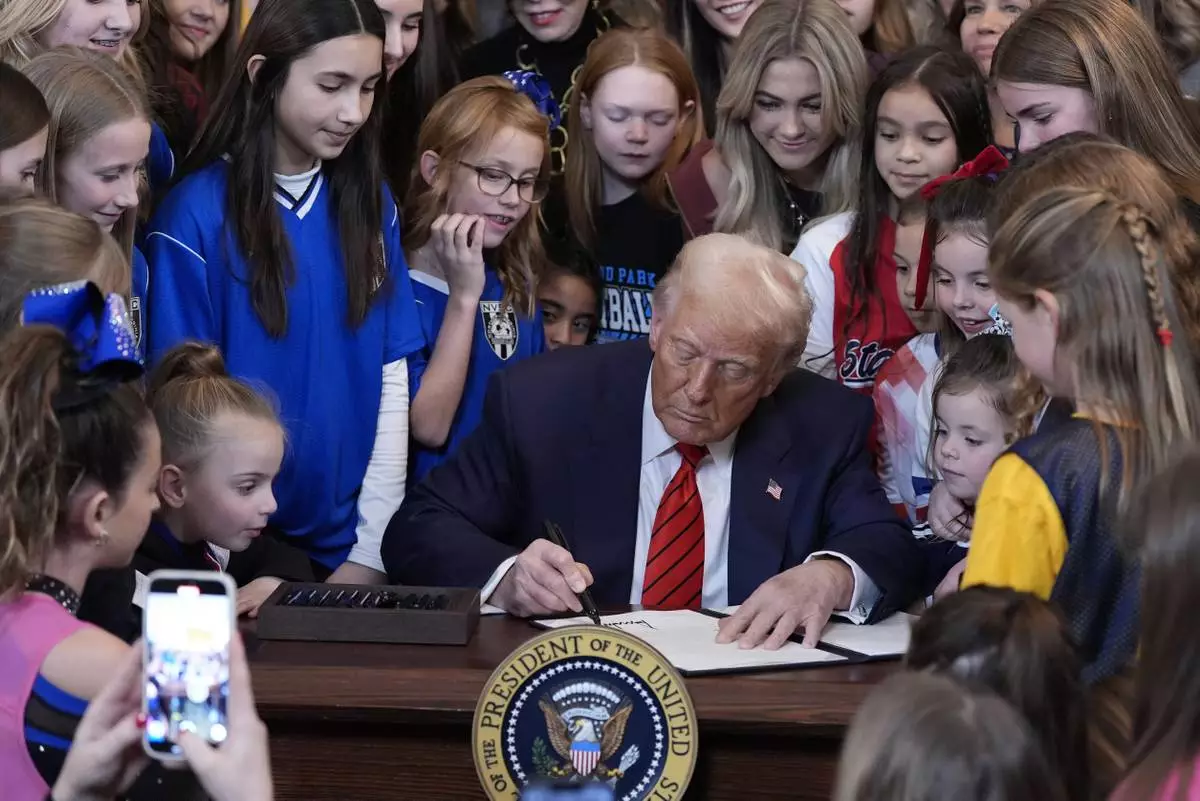
President Donald Trump signs an executive order barring transgender female athletes from competing in women's or girls' sporting events, in the East Room of the White House, Wednesday, Feb. 5, 2025, in Washington. (AP Photo/Alex Brandon)