CARLSBAD, Calif.--(BUSINESS WIRE)--Feb 14, 2025--
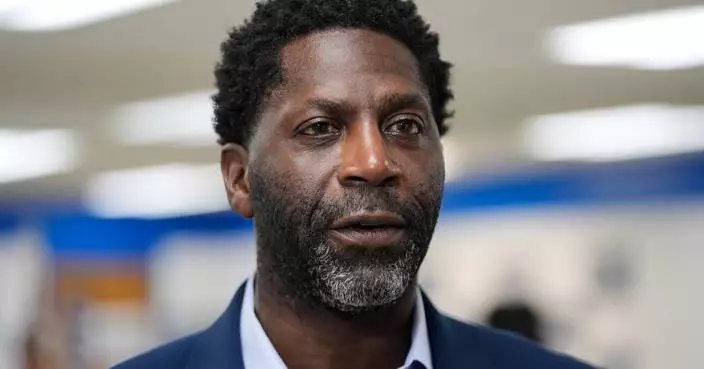
This week, the Association for Creatine Deficiencies ’ (ACD) Vice-Board Chair Jeffrey Randall Allen was crowned champion of Prime Video’s “Beast Games,” winning “the largest cash prize in TV history” to support research and raise awareness for his son’s rare disease.
This press release features multimedia. View the full release here: https://www.businesswire.com/news/home/20250214526104/en/
Allen’s son Lucas has Creatine Transporter Deficiency (CTD), a rare genetic disorder that limits the brain’s ability to access creatine—an essential compound for energy and development. This condition impacts speech, cognitive abilities, and motor function. Currently, there is no approved treatment for the disease.
"We would love nothing more than to help all the kids diagnosed, thousands not yet diagnosed, and those yet to be born with CTD," said Allen. "I know we can make a difference. We have so many researchers across the world doing amazing work, but as an ultra-rare disease it doesn’t get the attention it deserves. If we could fund more research, we will find a cure for this."
“Beast Games” is a TV competition created by viral YouTuber Jimmy “ MrBeast ” Donaldson that began with 1,000 competitors vying to win the grand prize. Allen competed as contestant #831, enduring intense physical, mental and social challenges to compete for the number one spot.
Allen’s son Lucas is a joyful, loving, and resilient seven-year-old boy who faces daily challenges due to CTD. Until a treatment or cure is found to get creatine into his brain, Lucas will continue to need countless hours of therapy to learn to do things like talk, dress himself and perform basic self-care skills. With no effective treatment available for patients like Lucas, research is crucial to finding therapies that could change Lucas’ life and the lives of the hundreds of others living with CTD, and likely thousands more who have yet to be diagnosed.
"For years, our dedicated rare disease community has fueled groundbreaking research through relentless grassroots fundraising,” said Heidi Wallis, executive director of ACD. “Now, we stand at a crucial juncture, poised to transition from the lab to the clinic. This move demands substantial new investment, which is why we've initiated an ambitious campaign to raise $30 million to propel our most promising treatments into clinical trials. With broader community support, we are determined to find a cure for CTD."
The exact prevalence of creatine deficiencies is unknown. One study found that 2.6% of individuals with a neurodevelopmental disorder of unknown causes actually had CTD, while ACD has estimated that more than 35,000 people worldwide have the disease. ACD’s support community includes approximately 400 individuals around the globe, which highlights the need for greater awareness and diagnosis.
ACD is committed to funding cutting-edge research, from supporting early-career scientists through fellowships to investing in high-impact translational projects including gene therapy and drug repurposing, with multiple ongoing projects showing promising results. The organization’s annual scientific and family conferences create a collaborative space where researchers and families connect, fostering innovation and commitment in the creatine deficiency field.
With support from funders including the Chan Zuckerberg Initiative, the Ludwick Family Foundation and others, ACD has built a robust research network, secured critical patient data and biosamples, and fostered an engaged patient community through expert-led panels, scientific conferences, and collaborative research initiatives. ACD’s advocacy efforts led to the federal adoption of GAMT newborn screening, and the organization is now pursuing the same path for CTD.
To learn more about Allen’s family and his mission to find a cure for Lucas and the hundreds of children around the world affected by CTD, visit creatineinfo.org/lucas.
About ACD
Founded in 2012, the Association for Creatine Deficiencies (ACD) is an international parent-led 501c3 nonprofit organization leading and funding research to cure creatine deficiencies. ACD’s mission is to fund and drive creatine deficiency research efforts, provide patient and family support through education and resources, and to advocate for diagnosis through newborn screening. The vision of ACD is that one day all patients with a creatine deficiency will be diagnosed at birth and given an effective treatment, eliminating the current diagnostic odyssey and the devastating symptoms experienced by patients.
For more information, visit creatineinfo.org.


Jeffrey Randall Allen, winner of competition TV show "Beast Games," stands atop his $10 million grand prize. (Photo: Business Wire)
Jeffrey Randall Allen, winner of competition TV show "Beast Games," poses for a photo. Allen competed on the show to raise awareness about his son Lucas' rare genetic disorder, Creatine Transporter Deficiency (CTD). (Photo: Business Wire)
DUBAI, United Arab Emirates (AP) — U.S. military leaders said Tuesday that a ceasefire with Iran remains in effect a day after Tehran was blamed for new attacks in the Strait of Hormuz and against the United Arab Emirates.
The fragile truce, reached nearly a month ago, appeared to be holding as U.S. forces pressed ahead with efforts to reopen the vital waterway for global energy. On Monday, the U.S. said it sank six small Iranian boats that had threatened commercial ships.
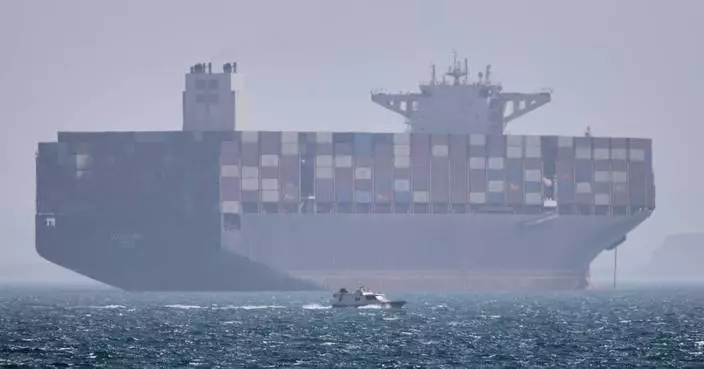
So far, only two merchant ships are known to have passed through a new U.S.-guarded route, with hundreds more bottled up in the Persian Gulf. It's unclear whether continued U.S. military action will reassure shippers without reigniting the conflict that began with U.S. and Israeli strikes on Iran on Feb. 28.
The UAE, a key American ally, said it came under attack by Iranian missiles and drones for a second straight day on Tuesday. At least three people were wounded in attacks the day before, and a drone sparked a fire at a key oil facility in the eastern emirate of Fujairah.
Iran’s effective closure of the strait, through which major oil and gas supplies passed before the war, along with fertilizer and other petroleum-derived products, has sent fuel prices skyrocketing and rattled the global economy. Breaking Iran's grip would deny its main source of leverage as U.S. President Donald Trump demands a major rollback of its disputed nuclear program.
U.S. Defense Secretary Pete Hegseth and Gen. Dan Caine, the U.S. military’s top officer, told a news conference Tuesday that Iran’s renewed aggression hadn’t reached the threshold of what Caine called “major combat operations.” He said Tuesday marked a “quieter” day in the strait.
“No, the ceasefire is not over,” Hegseth said, affirming Caine’s assessment. They spoke before the latest attacks on the UAE.
Iran has said the new effort does violate the ceasefire. Iran’s parliament speaker and chief negotiator, Mohammad Bagher Qalibaf, accused the U.S. of undermining regional security. In a post on X, he signaled that Iran has yet to fully respond to the U.S. attempt to reopen the waterway.
“We know full well that the continuation of the status quo is intolerable for America; while we have not even begun yet,” he said. His statement did not mention negotiations with the U.S. that are now in the form of passing messages via Pakistan.
Disputing Washington’s claim of sinking six boats, an Iranian military commander said two small civilian cargo boats were hit on Monday, killing five civilians, Iran’s state TV reported.
Caine, the top U.S. general who serves as chairman of the Joint Chiefs of Staff, said more than 100 U.S. military aircraft are patrolling skies around the strait.
“Since the ceasefire was announced, Iran has fired at commercial vessels nine times and seized two container ships, and they’ve attacked U.S. forces more than 10 times – all below the threshold of restarting major combat operations at this point,” Caine said.
The administration has cited the April 8 ceasefire in asserting that the president does not have to give a formal update to Congress on the war under the War Powers Resolution. That law typically requires presidents to seek formal approval from Congress for war activities 60 days after beginning military action.
So far, just two civilian vessels, both U.S.-flagged merchant ships, are known to have passed through the strait as part of the lane the U.S. says it has created.
“At this point in time our risk assessment remains unchanged,” Hamburg, Germany-based shipping company Hapag-Lloyd AG said in a statement. “Transits through the Strait of Hormuz are for the moment not possible for our ships.”
Ship tracking data showed a Panamanian-flagged crude oil tanker heading toward the center of the strait Tuesday after leaving an anchorage in the Persian Gulf, though it was unclear if it would try to pass through. The tanker had a stated destination of Singapore, according to the MarineTraffic ship tracking site.
Iran has attacked ships that try to transit without going through its own route in the northern part of the narrow strait near the Iranian coastline. That involves going through vetting by Iran's Revolutionary Guard and payment in some cases.
The U.S.-approved “Project Freedom” route goes through territorial waters of Oman to the south.
“For shipping companies and for insurance companies, they still have to wait and see how this plays out,” said Torbjorn Soltvedt, principal Middle East analyst at risk intelligence company Verisk Maplecroft.
“This initiative alone isn’t something that looks like it’s going to open the Strait of Hormuz,” he said.
The United Arab Emirates said its air defenses had engaged 15 missiles and four drones fired by Iran. Authorities in the eastern emirate of Fujairah said one drone sparked a fire at a key oil facility, wounding three Indian nationals. The British military reported two cargo vessels ablaze off the UAE, also on Monday.
On Tuesday, the UAE's Defense Ministry said air defenses were responding to another Iranian drone and missile attack.
Indian Prime Minister Narendra Modi on Tuesday condemned the attacks, calling the targeting of civilians and infrastructure “unacceptable.” On X, Modi said India stands in “firm solidarity” with the UAE, and stressed the need for safe and uninterrupted shipping through the Strait of Hormuz.
Tehran did not confirm or deny the attacks but Iran’s Foreign Minister Abbas Araghchi early Tuesday said on X that both the U.S. and the UAE “should be wary of being dragged back into quagmire.”
Pakistan and Saudi Arabia condemned the strikes against the UAE. The Saudi condemnation came despite increasingly strained relations with the UAE.
The disruption of the waterway has squeezed countries in Europe and Asia that depend on Persian Gulf oil and gas, raising prices far beyond the region.
The U.S. meanwhile has enforced a naval blockade on Iranian ports since April 13, telling at least 49 commercial ships to turn back, according to its Central Command. It also has warned shipping companies they could face sanctions if they pay Iran for transit of the strait.
The blockade has deprived Tehran of oil revenue it needs to shore up its ailing economy. U.S. officials have expressed hope the blockade will force Iran to make concessions in talks on its nuclear program and other longstanding issues.
Finley reported from Washington and Becatoros reported from Athens, Greece. Sally Abou AlJoud in Beirut, Lebanon; Sheikh Saaliq in New Delhi; Meg Kinnard in Columbia, South Carolina; Bill Barrow in Atlanta; and Russ Bynum in Savannah, Georgia, contributed to this report.
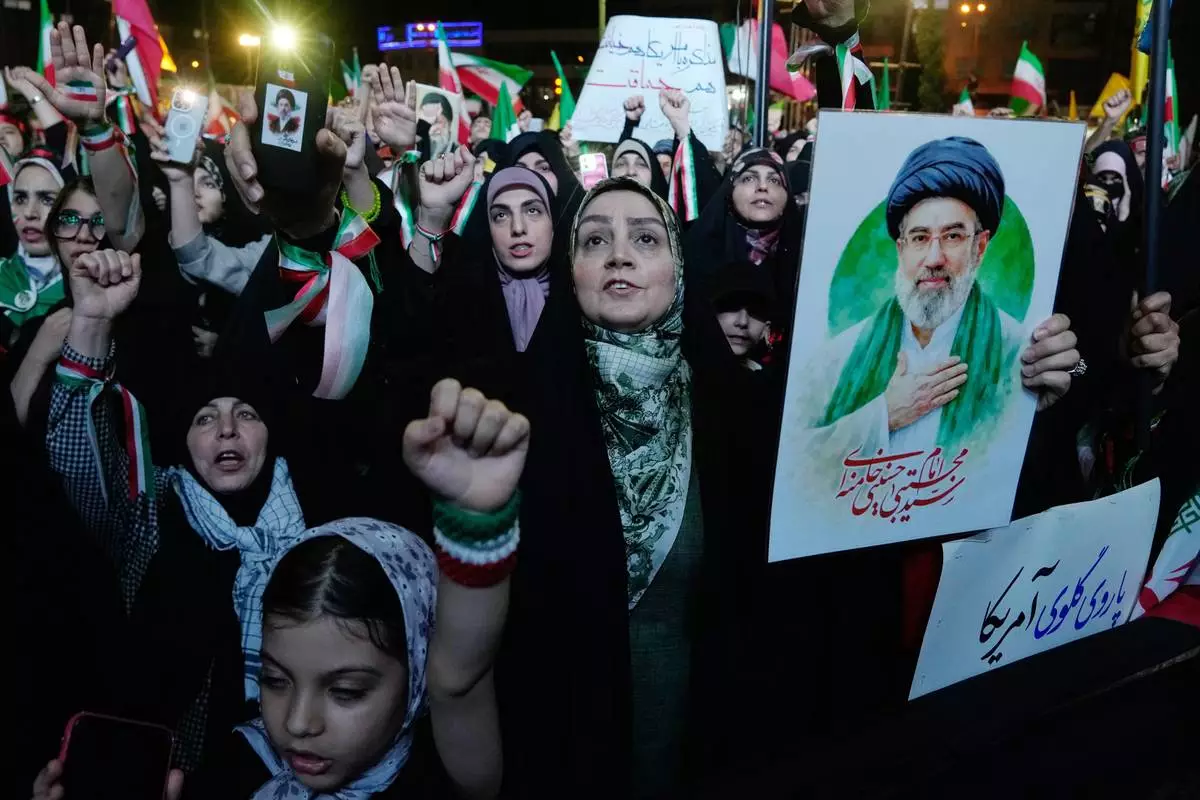
Pro-government demonstrators chant slogans as one of them holds a poster of the Iranian Supreme Leader Ayatollah Mojtaba Khamenei during their gathering at Enqelab-e-Eslami, or Islamic Revolution, square in Tehran, Iran, Monday, May 4, 2026. (AP Photo/Vahid Salemi)
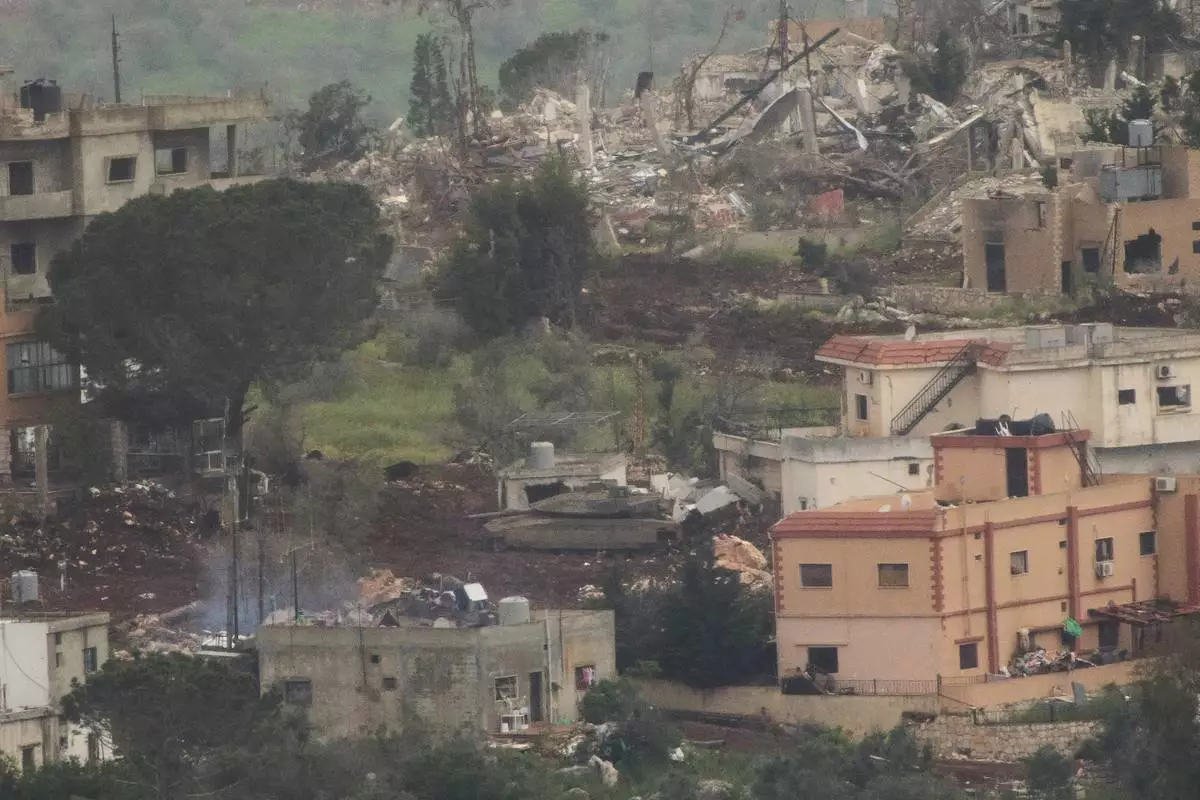
Israeli soldiers drive a tank inside a village in southern Lebanon, as seen from northern Israel, Tuesday, May 5, 2026. (AP Photo/Ariel Schalit)
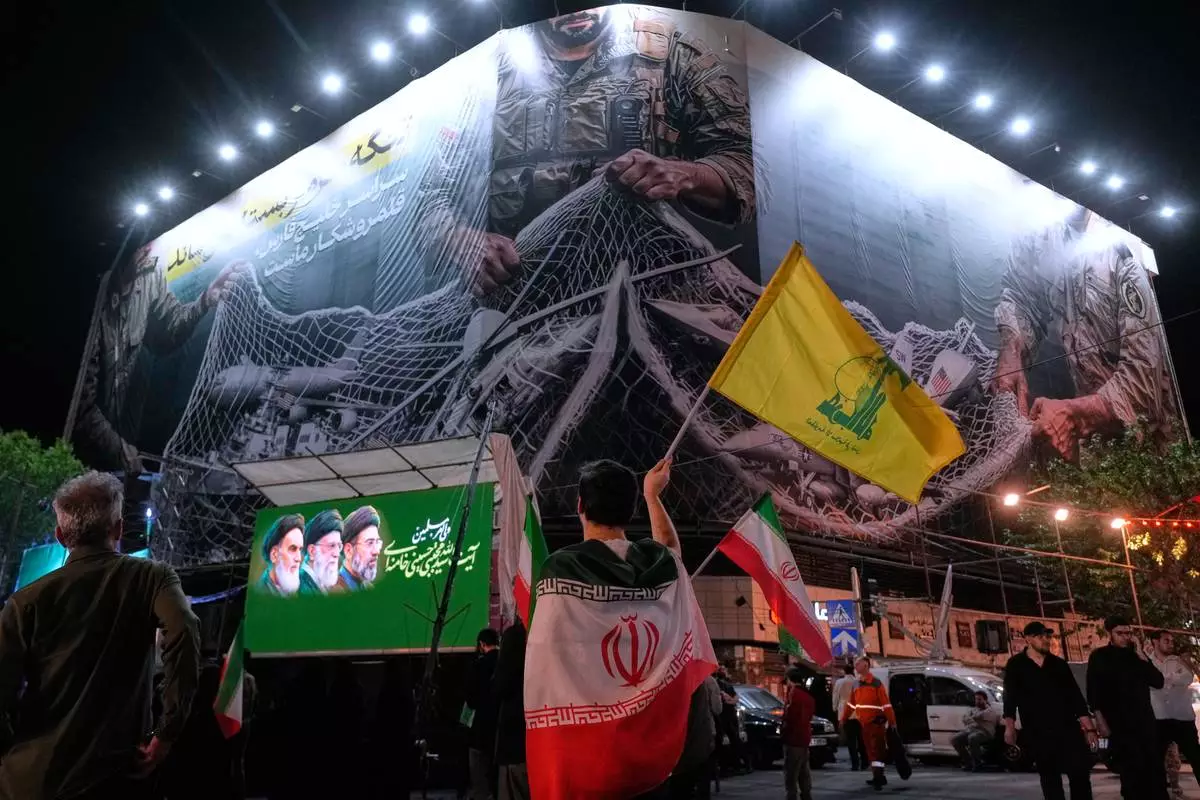
An Iranian demonstrator waves a flag of Lebanon's militant Hezbollah group under an anti-U.S. billboard depicting the American aircrafts into the Iranian armed forces fishing net with signs that read in Farsi: "The Strait of Hormuz will remain closed, The entire Persian Gulf is our hunting ground," during a pro-government gathering at Enqelab-e-Eslami, or Islamic Revolution, square in Tehran, Iran, Monday, May 4, 2026. (AP Photo/Vahid Salemi)
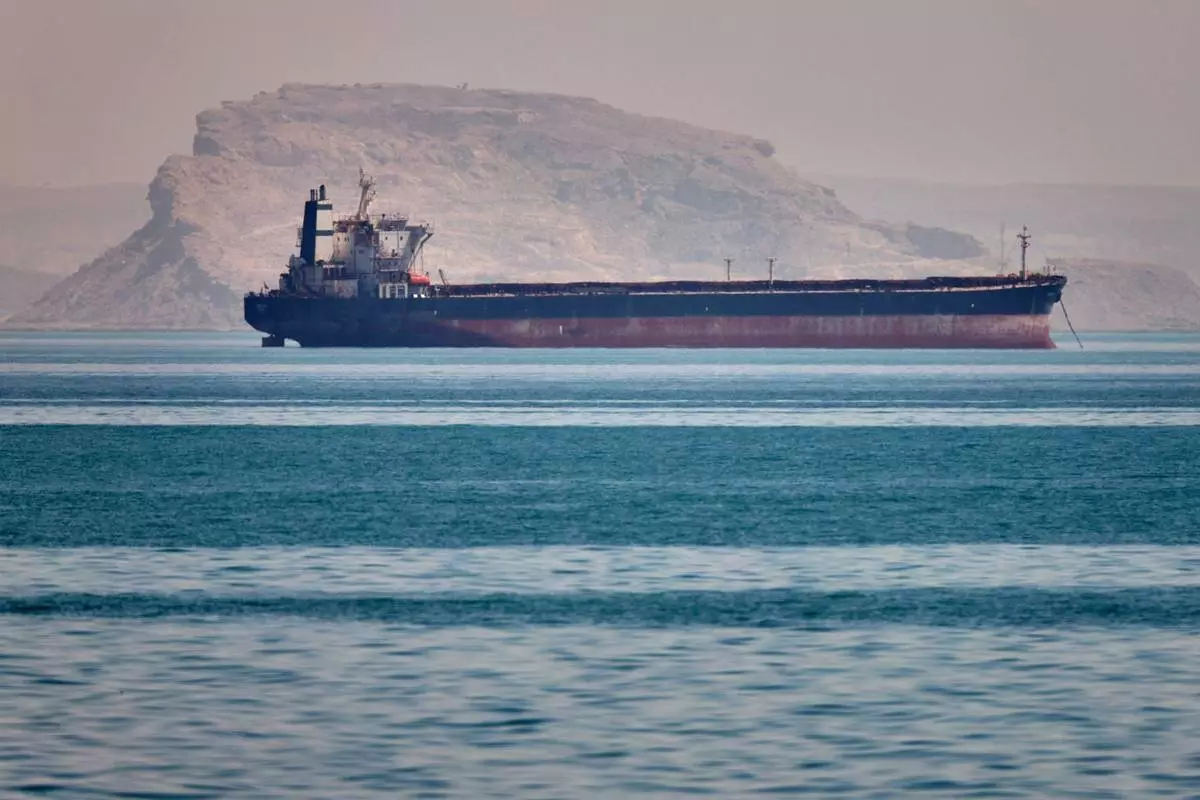
A bulk cargo ship sits at anchor in the Strait of Hormuz off Bandar Abbas, Iran, Saturday, May 2, 2026.(Amirhosein Khorgooi/ISNA via AP)