European leaders and political observers have criticized the United States for its transactional diplomacy at the ongoing Munich Security Conference, arguing that it prioritizes American interests at the expense of others.
The Munich Security Conference, held from Friday to Sunday in Munich, Germany, saw significant disagreements between Europe and the United States on its first day over key global issues such as tariff policies, the conflict in Ukraine, and the situation in Gaza.
In his opening speech on Friday, German President Frank-Walter Steinmeier accused the new U.S. administration under President Donald Trump of acting recklessly and disregarding long-standing international rules, partnerships, and trust.
Amid recent U.S. actions that have increased pressure on Europe's security and economy, Steinmeier criticized the transactional diplomacy pursued by the Trump administration, warning that it could threaten global stability.
In response to the recent U.S. decision to impose high tariffs on certain European goods, European Commission President Ursula von der Leyen emphasized that while Europe opposes a trade war, it is prepared to take reciprocal countermeasures if the U.S. tariffs come into effect. She also noted that Europe will focus on enhancing its strategic autonomy, including strengthening protection for domestic industries to deal with the economic pressure from the United States.
However, U.S. Vice President J.D. Vance emphasized at the event that the United States will prioritize its own economic interests and will not back down on tariffs. It reflects the administration's "America First" stance, which prioritizes U.S. interests over international agreements. Regarding possible solutions to the ongoing Russia-Ukraine conflict, Europe and the United States also show significant divergence.
Although Vance stated that the United States wants to push for a ceasefire as soon as possible, many European countries are concerned that Ukraine's interests could be sacrificed in the process, and that European security might also be at risk due to the transactional nature of U.S. diplomacy.
Thomas Fasbender, geopolitical editor-in-chief of the Berliner Zeitung, noted that the new U.S. administration's policy positions and views on the international order differ significantly from Europe's, which leads to major divides between the two sides on many global issues.
"The key divide between Europe and the United States today is that, with the change in U.S. leadership, a shift in paradigm is underway. Specifically, the United States is moving away from a values-based system focused on world order, rules, and norms—the rules-based international order—and toward a policy focusing on transaction," said Fasbender.
As EU-U.S. relations become more uncertain and divergences grow, Europeans are reassessing their relationship with the United States.
A recent poll by the European Council on Foreign Relations shows that more Europeans now view the United States not as an "ally", but a "necessary partner". Besides, an increasing number of Europeans believe Europe should aim for greater strategic autonomy, rather than simply following the U.S. lead.
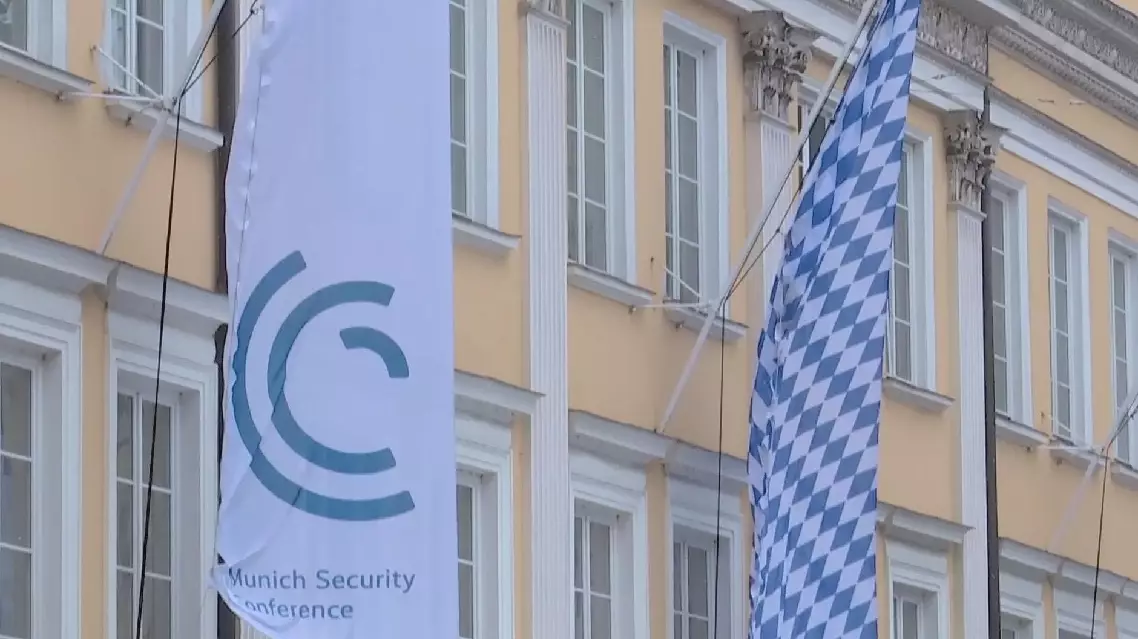
Europe criticizes US transactional diplomacy at Munich Security Conference
Europe criticizes US transactional diplomacy at Munich Security Conference
Europe criticizes US transactional diplomacy at Munich Security Conference