The national policies aimed at bolstering the private sector must be tangible and accessible to businesses and require inter-departmental coordination to ensure they achieve the intended outcomes, experts said on Tuesday.
China on Monday held a key symposium on the private economy, which was attended by President Xi Jinping and brought together representatives from some of the country's most eminent private companies. In a speech delivered at the symposium, Xi stressed the importance of strictly implementing supportive policies and measures to advance the growth of the private sector.
Echoing Xi's speech, Huang Hanquan, director of the Chinese Academy of Macroeconomic Research under the National Development and Reform Commission (NDRC), said he believed the current priority was ensuring the full and uncompromised implementation of government policies targeting the private economy.
"A raft of policies have already been introduced [to support] the private economy. However, the key is to ensure that these policies are effectively implemented and truly accessible to the private businesses to allow them to feel the tangible benefits," Huang told CCTV.
Bai Chong'en, dean of the School of Economics and Management at Tsinghua University, noted that during the implementation process, it is essential to ensure coordination and consistency across different policies to maximize their collective impact.
"It's about coordination between government departments to avoid contradictions between detailed policy provisions during the implementation. As we've repeatedly emphasized, policy consistency is key. It is only when there is consensus on certain issues that we can pull together towards the same goal with one mind," said Bai.
Monday's symposium also highlighted the government's commitment to removing obstacles that prevent private enterprises from equally accessing production factors and participating in market competition. Experts believe that several key sectors will open their door wider to private businesses.
Official data showed that private investment in infrastructure grew by 5.8 percent in 2024, 1.4 percentage points higher than the overall growth rate for infrastructure investments. The symposium proposed continuing to promote fair access to competitive sectors of infrastructure for all kinds of market entities.
"This means creating more space for private enterprises' development, or in other words offering wider access for them. This will allow private enterprises to have more opportunities to participate in infrastructure investments, as these investments feature relatively stable operations and returns. This is also a field that private enterprises have long been eager to enter," Huang said.
In October 2024, China released a draft of its first basic law focused on the development of the private sector for public input. The draft, with 77 articles in nine chapters, features equal treatment and protection of private sector businesses.
"For example, one important part of the draft of the private sector promotion law is meant to create an equal environment for competition, allowing private enterprises to equally access resources, participate in government projects, and enter the market. I believe that private enterprises are eager to make contributions, and if they are given the opportunity to do so, they will be able to achieve greater development," said Bai.
Experts stress effective policy implementation to boost private sector growth
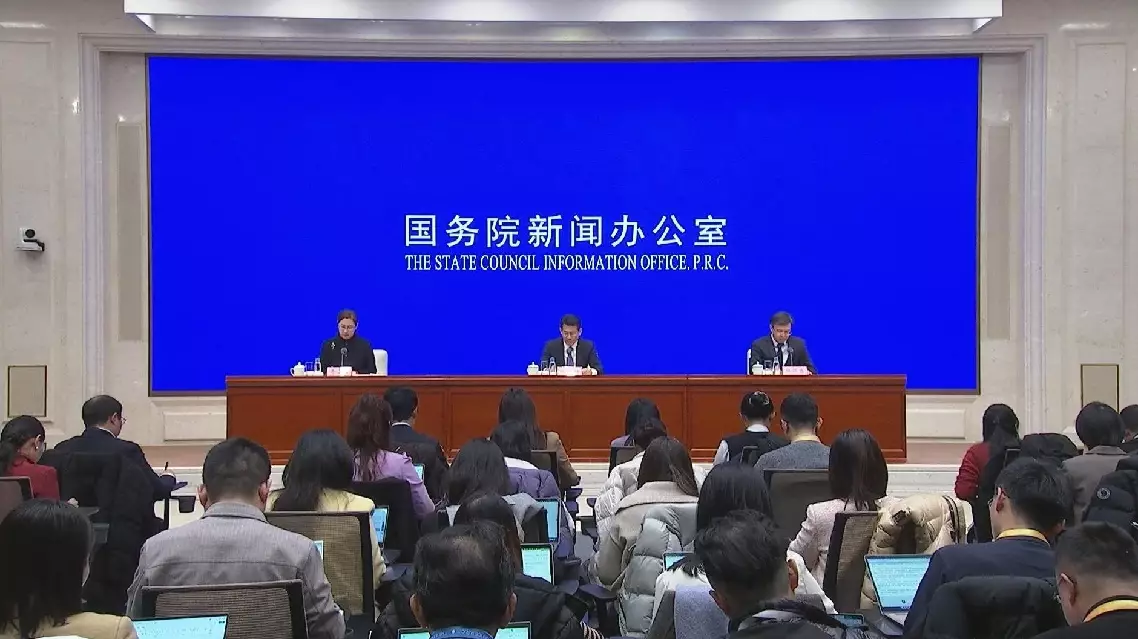
China will take more effective measures to improve people's wellbeing, especially in education, healthcare, and social security, an official said Thursday in Beijing at a press conference on the interpretation of this year's government work report, which was submitted to the national legislature for deliberation earlier in the day.
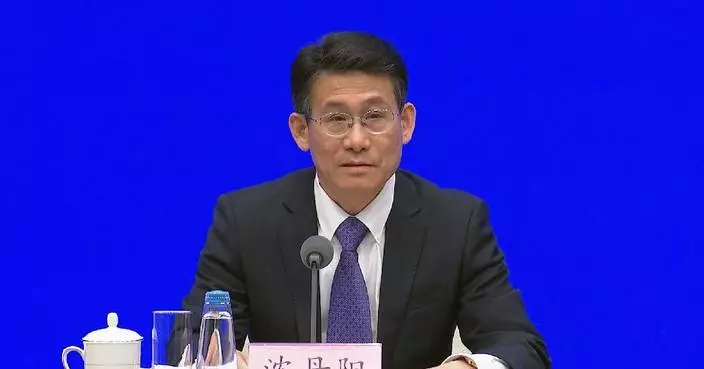
Shen Danyang, head of the government work report drafting team and director of the State Council Research Office, said centering on enhancing educational equity and quality, the report made arrangements for education at all educational stages and of all types.
"Regarding preschool education, the policy of free education in the year prior to entering primary school will continue to be implemented this year, which is commonly referred to as free admission to the senior class of kindergartens. So, how can the income reduction of kindergartens be addressed? Subsidies will be provided by both the central and local governments, with the central government taking the lion's share. This year, the funds allocated to support the development of preschool education will increase significantly by 37.8 percent to ensure the implementation of the beneficial policy," he said.
Regarding senior high school education, Shen said the report stated that the supply of regular senior high school places will be increased,
Specifically, for areas with a continuous net inflow of population, a number of regular high schools will be planned and constructed on an annual basis. For regions with a temporary shortage of school places, priority will be given to the renovation and expansion of existing teaching buildings, student dormitories and canteens, he said.
Shen said the report put forward many supportive measures in healthcare.
"For instance, it urged efforts to strengthen coordination in drug use at the grassroots level, which mean improving the list of essential drugs, and optimizing the channels for drug supply and drug use coordination between upper- and lower-level medical and health institutions to make it more convenient for the public to use drugs at their doorstep. Besides, the report has made arrangements for supporting the development of innovative drugs for the third consecutive year. This year, China will strengthen the coordination of supportive policies in an all-round way, further address issues such as the barriers facing innovative drugs entering hospitals, and better meet the diverse medical and medication needs of the people," he said.
In terms of social security, Shen said the report proposed to continue raising the minimum standard of basic pensions for urban and rural residents -- a policy will benefit over 180 million elderly people.
"The central government will allocate 1.25 trillion yuan (about 181.25 billion U.S. dollars) in subsidy funds to ensure the timely and full payment of pensions. In response to the insufficient protection of the rights and interests of people engaging in new occupations, the report proposed to steadily and orderly expand the scale of the pilot program for occupational injury insurance. This year, the policy will cover 31 provincial-level regions across the country and the Xinjiang Production and Construction Corps. Meanwhile, enterprises specializing in travel, instant delivery and intra-city freight delivery will be included in the pilot program, which will ensure the safety of more laborers, such as food delivery workers and online car-hailing drivers," he said.
China to improve people's wellbeing in education, healthcare, social security: official