Istanbul's Topkapi Palace Museum is expanding its cultural offerings later this year with a brand-new museum dedicated to porcelain, showcasing a stunning collection including rare Chinese ceramics.
Topkapi Palace Museum is home to around 22,000 porcelain items, 12,000 of which are Chinese, which were primarily acquired through diplomatic gifts and trade.
Located in the historic Darphane-i Amire complex, once the Ottoman Empire's mint, the new museum will showcase over 4,500 rare porcelain artifacts from the Topkapi Palace Museum's collection, including 1,442 prized Chinese pieces.
Among these are 40 Chinese ceramics from the Yuan Dynasty (1271-1368), including large plates, bowls, and bottles. These porcelains are notable for their large size and bold style, setting them apart from the more common blue-and-white porcelain typically seen in China.
Ilhan Kocaman, the director of the Topkapi Palace Museum, said that most of these porcelains were custom-made for the Ottoman Empire, with designs that better aligned with local aesthetics.
"Some porcelains here were specially made for the Ottoman Empire, and as a result, the decorations of the porcelains showed local features," said Kocaman.
In addition to the Yuan dynasty porcelains, the museum will also display a large collection of ceramics from Ming (1368-1644) and Qing (1644-1911) dynasties. These pieces not only reflect the pinnacle of Chinese ceramic artistry, but also testify to the cultural exchanges along the ancient Silk Road.
According to Kocaman, the museum is slated to open by the end of this year, and will organize its exhibits into three sections, Chinese porcelain, European and Asian works, and Ottoman-era ceramics.
Topkapi Palace was the official residence of the Ottoman sultans for over 400 years, from the 15th to the 19th centuries. Today, it's a museum and a major tourist attraction, housing a vast collection of artifacts, including imperial treasures, religious relics, and the world-renowned porcelain collection.
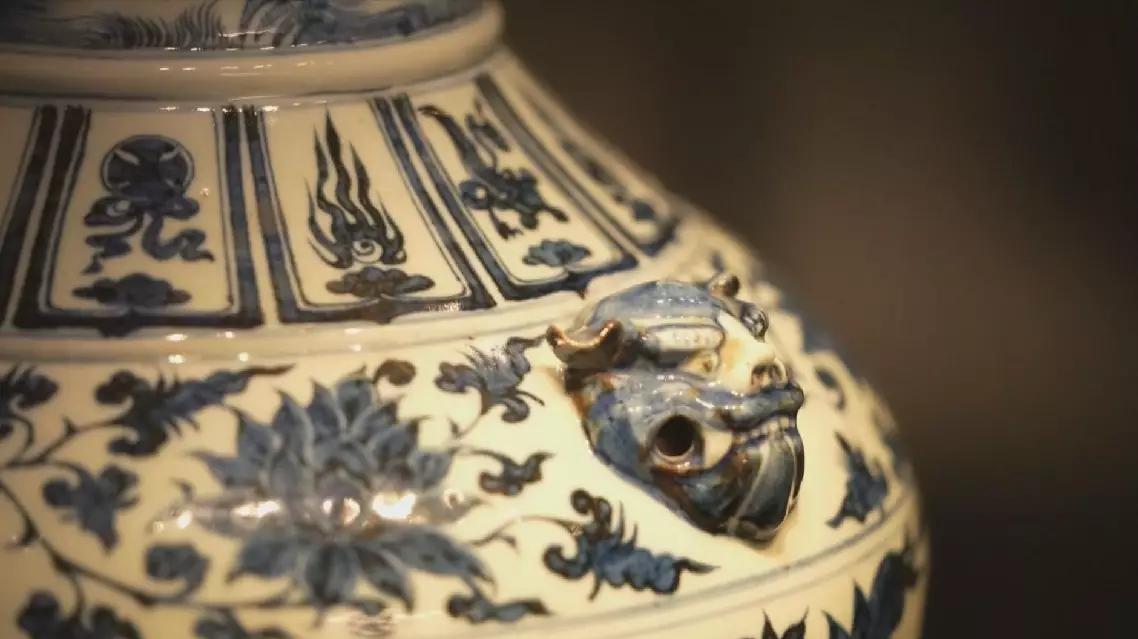
Türkiye to showcase rare Chinese ceramics in new museum
China's Minister of Commerce Wang Wentao outlined the key priorities of the 32nd Asia-Pacific Economic Cooperation (APEC) Ministers Responsible for Trade Meeting, which opened on Friday in Suzhou, East China's Jiangsu province.
In an interview with CGTN ahead of the two-day meeting, Wang said free trade, digital cooperation and green economy are high on the agenda of the meeting.
"The key areas include advancing regional economic integration and the Free Trade Area of the Asia-Pacific, supporting the World Trade Organization (WTO) in strengthening digital cooperation and developing green economy. At present, the international situation is marked by intertwined turbulence and chaos, with intensified geopolitical instability. The rise of unilateralism and protectionism poses serious challenges to the international economic and trade order, disrupting global and Asia-Pacific development. Against this backdrop, all parties have higher expectations for this trade ministers' meeting, hoping that it can build consensus and deliver outcomes," Wang said.
This year marks China's third time hosting the APEC meetings and the 35th anniversary of its membership.
By 2025, China had become the largest trading partner of 13 APEC economies. Trade between China and APEC economies reached 3.7 trillion U.S. dollars, accounting for 57.8 percent of China's total foreign trade.
China has signed 24 free trade agreements or economic and trade arrangements with 31 countries and regions, including 15 APEC economies. In recent years, China has also completed upgrades of free trade agreements with APEC economies such as Singapore and Peru.
The minister said that China has always been a firm supporter and an important contributor to APEC.
"We have actively shared our vast market and development opportunities with all parties. China's door to the world will only open wider and wider. Facing the common challenges, China will continue to fulfill its responsibilities as a major country, further deepen reform, expand high-standard opening-up, and continue to provide new opportunities for the Asia-Pacific region and the world with its new achievements in Chinese modernization," the minister said.
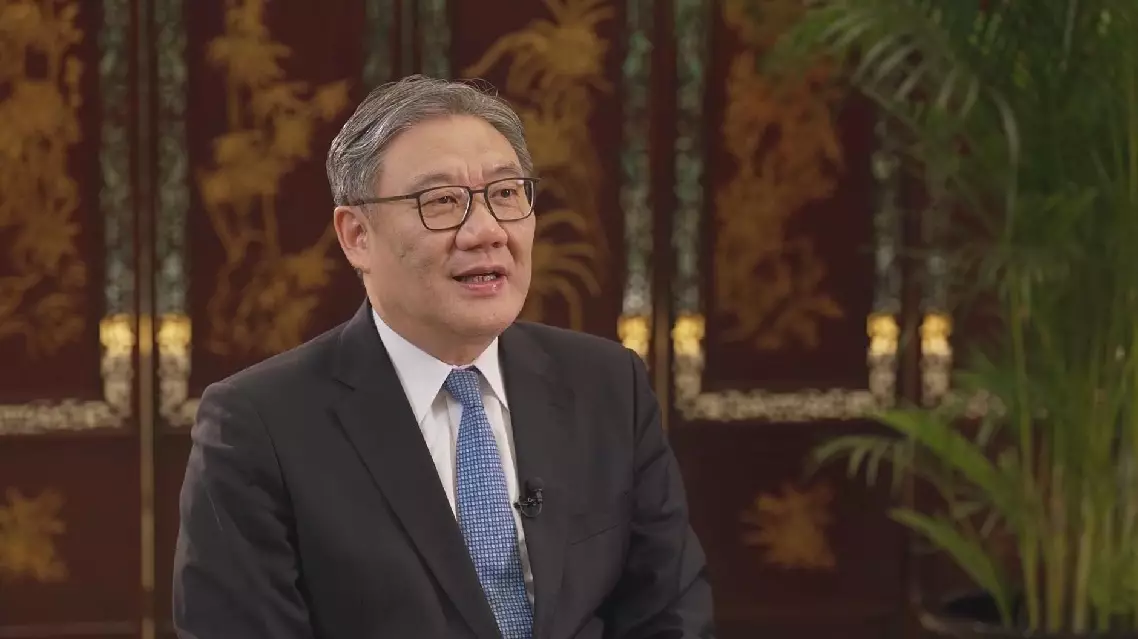
China's Commerce Minister outlines priorities for 32nd APEC trade ministers' meeting