JUBA, South Sudan (AP) — South Sudan closed all schools Thursday for two weeks due to an extreme heat wave that has caused some students to collapse.
This is the second time the country — which faces extreme effects from climate change, including flooding during the rainy season — has closed schools during a heat wave in February and March.
Click to Gallery
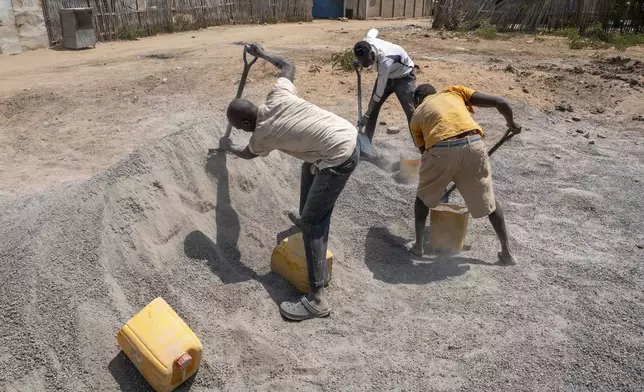
People work at a cement blocks production workshop in Juba, South Sudan Friday, Feb. 21, 2025. (AP Photo/Florence Miettaux)
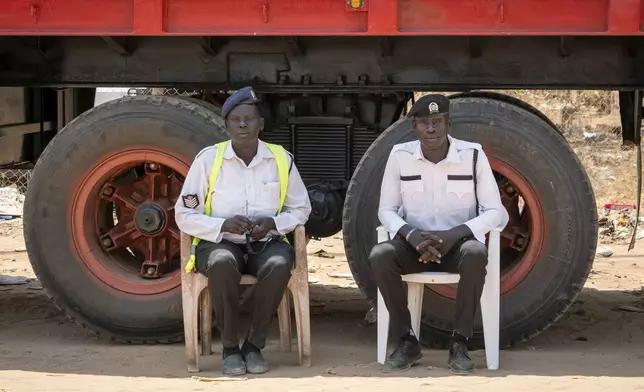
Traffic police officers sit beside the road in Juba, South Sudan Friday, Feb. 21, 2025. (AP Photo/Florence Miettaux)
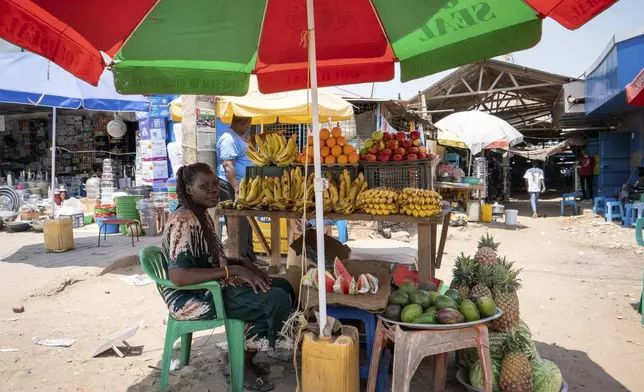
Modong Celina, a fruit seller sits under an umbrella in Juba, South Sudan Friday, Feb. 21, 2025. (AP Photo/Florence Miettaux)
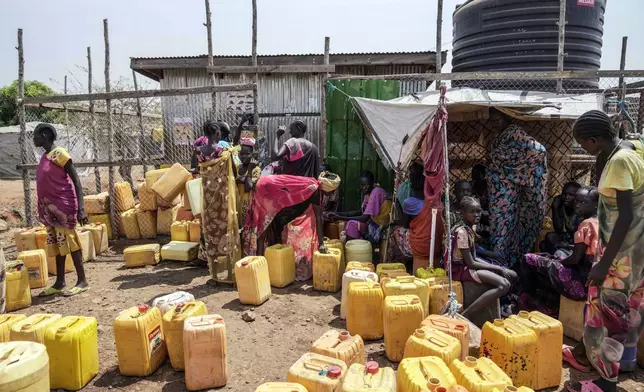
IDP (Internally Displaced Person) fetch water inside a camp in the outskirts of Juba, South Sudan Thursday, Feb. 13, 2025. (AP Photo/Brian Inganga)
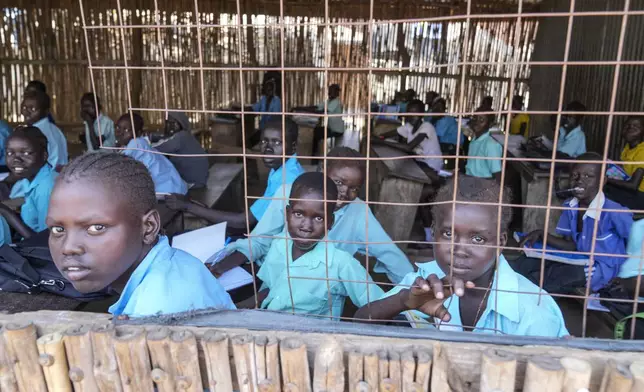
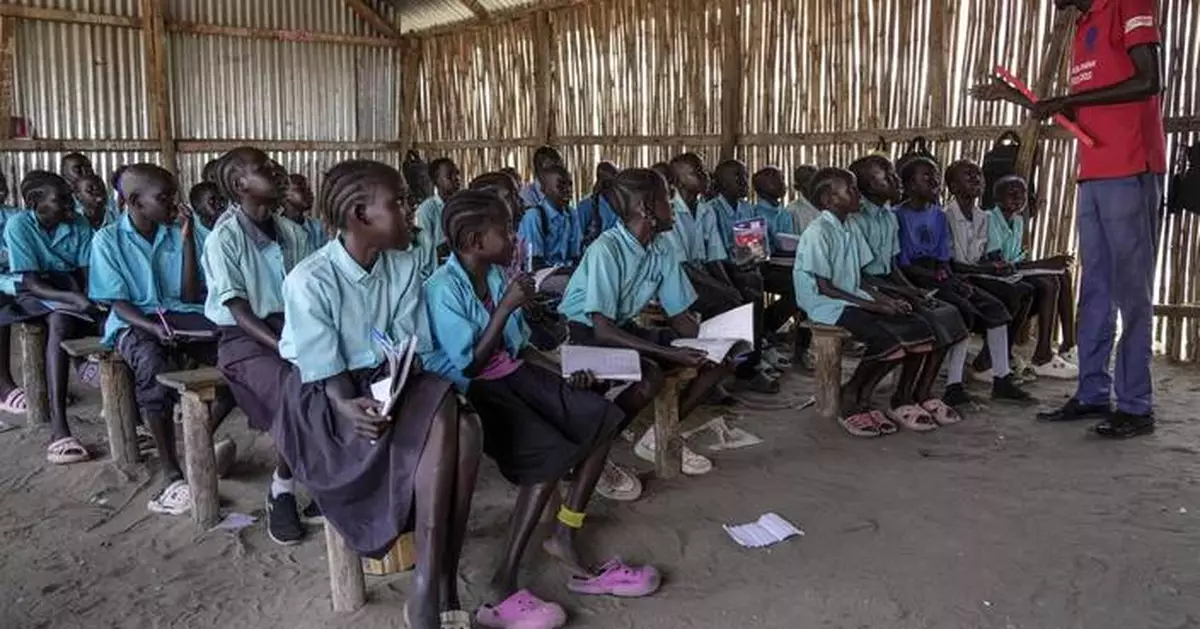
South Sudan refugee children attend a class in Juba, South Sudan Wednesday, Feb. 12, 2025. (AP Photo/Brian Inganga)
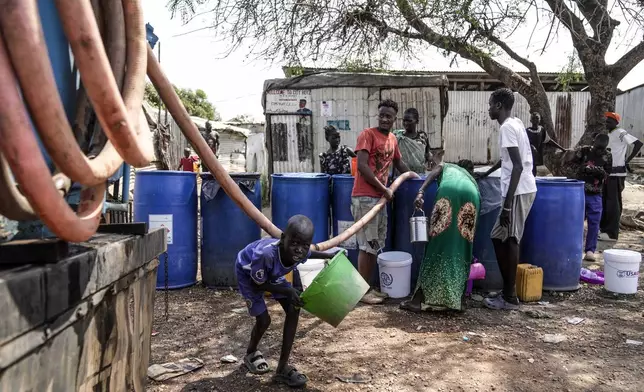
Internally displaced persons (IDP) fetch water inside a camp in Juba, South Sudan Wednesday, Feb. 12, 2025. (AP Photo/Brian Inganga)
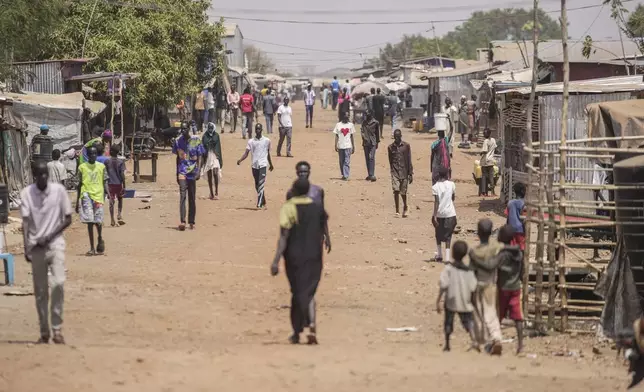
IDP (Internally Displaced Person) walk along a street in Juba, South Sudan Thursday, Feb. 13, 2025. (AP Photo/Brian Inganga)
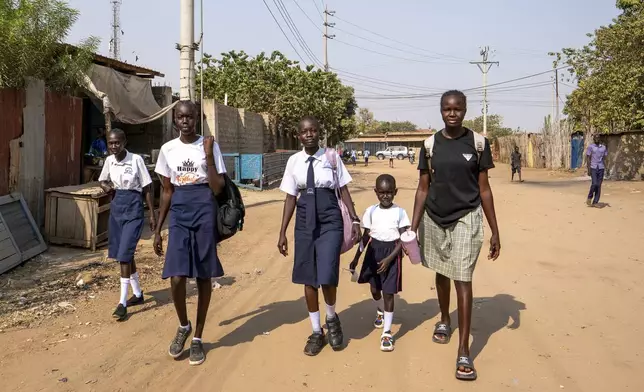
Schoolgirls walk back home after being turned away from their school due to an ongoing extreme heatwave that has caused some students to collapse in Juba, South Sudan Friday, Feb. 21, 2025. (AP Photo/Florence Miettaux)
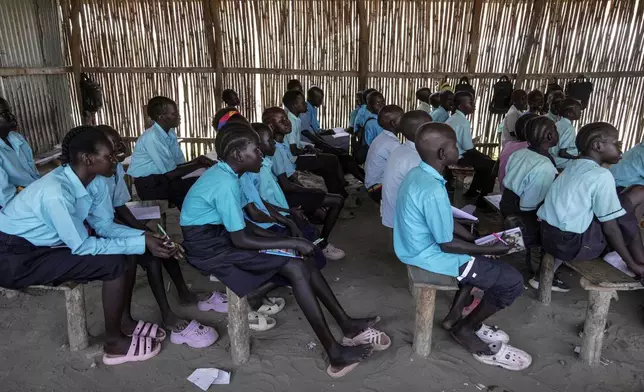
South Sudan refugee children attend a class in Juba, South Sudan Wednesday, Feb. 12, 2025. (AP Photo/Brian Inganga)
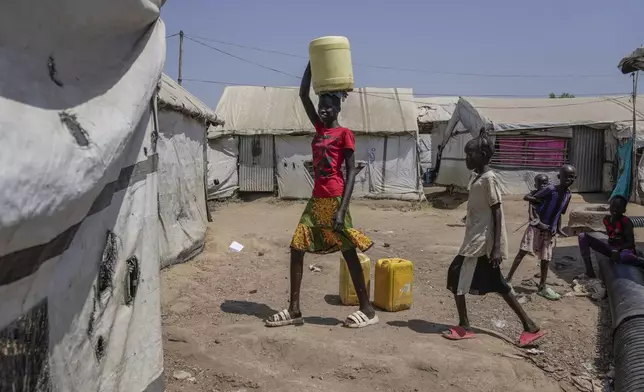
A child carries a jerry can of water on her head in Juba, South Sudan Wednesday, Feb. 12, 2025. (AP Photo/Brian Inganga)
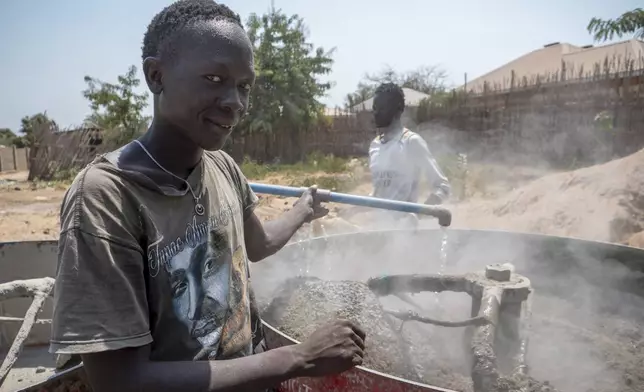
Workers at a cement blocks production workshop in the Rock City area in Juba, South Sudan Friday, Feb. 21, 2025. (AP Photo/Florence Miettaux)
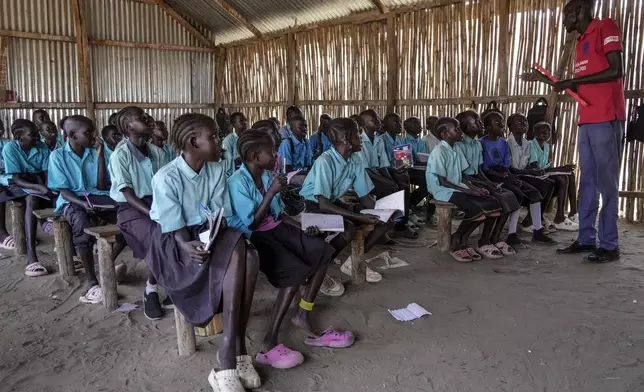
South Sudan refugee children attend a class in Juba, South Sudan Wednesday, Feb. 12, 2025. (AP Photo/Brian Inganga)
Deputy Education Minister Martin Tako Moi said “an average of 12 students had been collapsing in Juba city every day."
Most schools in South Sudan have makeshift structures made with iron sheets and do not have electricity that could power cooling systems.
Environment Minister Josephine Napwon Cosmos urged residents to stay indoors and drink water as temperatures were expected to rise as high as 42 degrees Celsius (107.6 degrees Fahrenheit).
Napwon proposed that government employees “work in shifts” to avoid heat strokes.
Education workers have urged the government to consider amending the school calendar so that schools close in February and resume in April when the temperatures decline.
Abraham Kuol Nyuon, the dean of the Graduate College at the University of Juba, told The Associated Press that the calendar should be localized based on the weather in the 10 states.
A civil society group, Integrity South Sudan, blamed the government for a lack of proper planning and contingency plans, saying that closing schools during heat waves shows a “failure to prioritize the education of South Sudan's children.”
The country’s health system is fragile due to political instability. Nearly 400,000 people were killed between 2013 and 2018 when a peace agreement was signed by President Salva Kiir and his rival-turned-deputy, Riek Machar.
South Sudan’s elections, scheduled for last year, were postponed for two years due to a lack of funds.
The country has been facing an economic crisis due to an interruption of oil exports after a major pipeline was raptured in neighboring war-torn Sudan. The pipeline was later repaired.
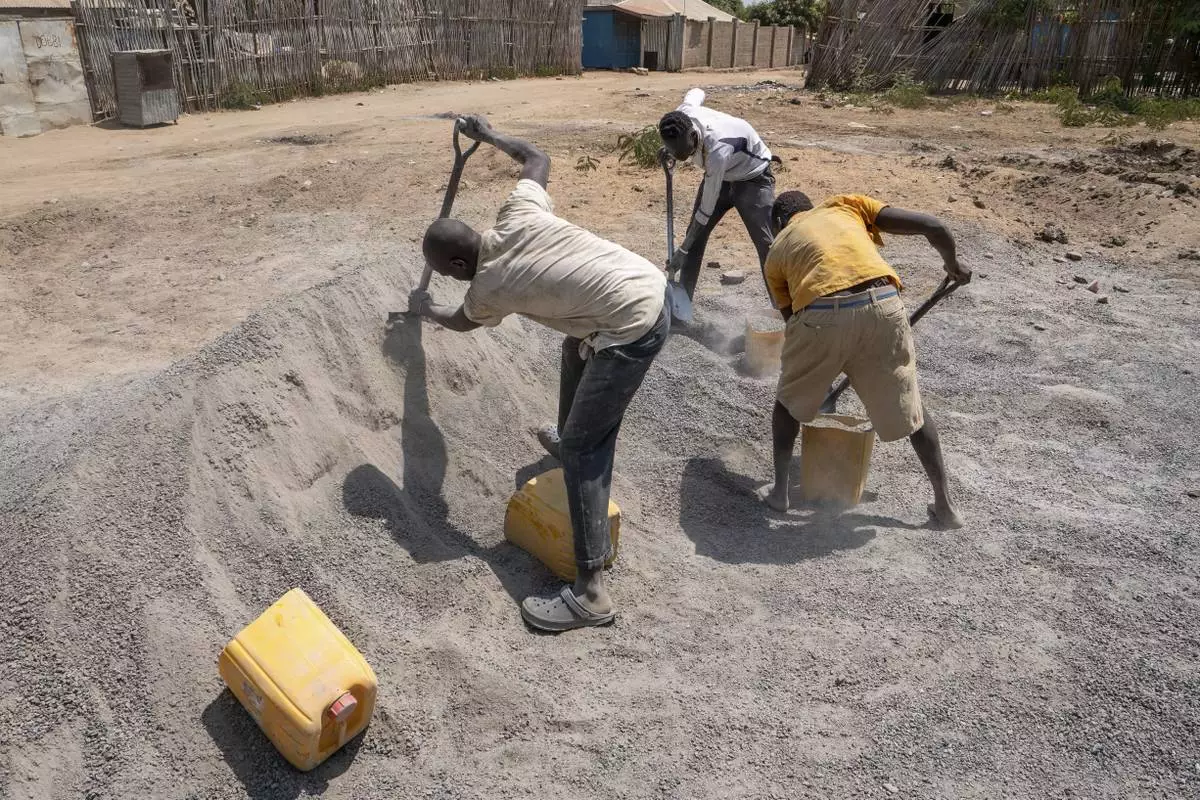
People work at a cement blocks production workshop in Juba, South Sudan Friday, Feb. 21, 2025. (AP Photo/Florence Miettaux)
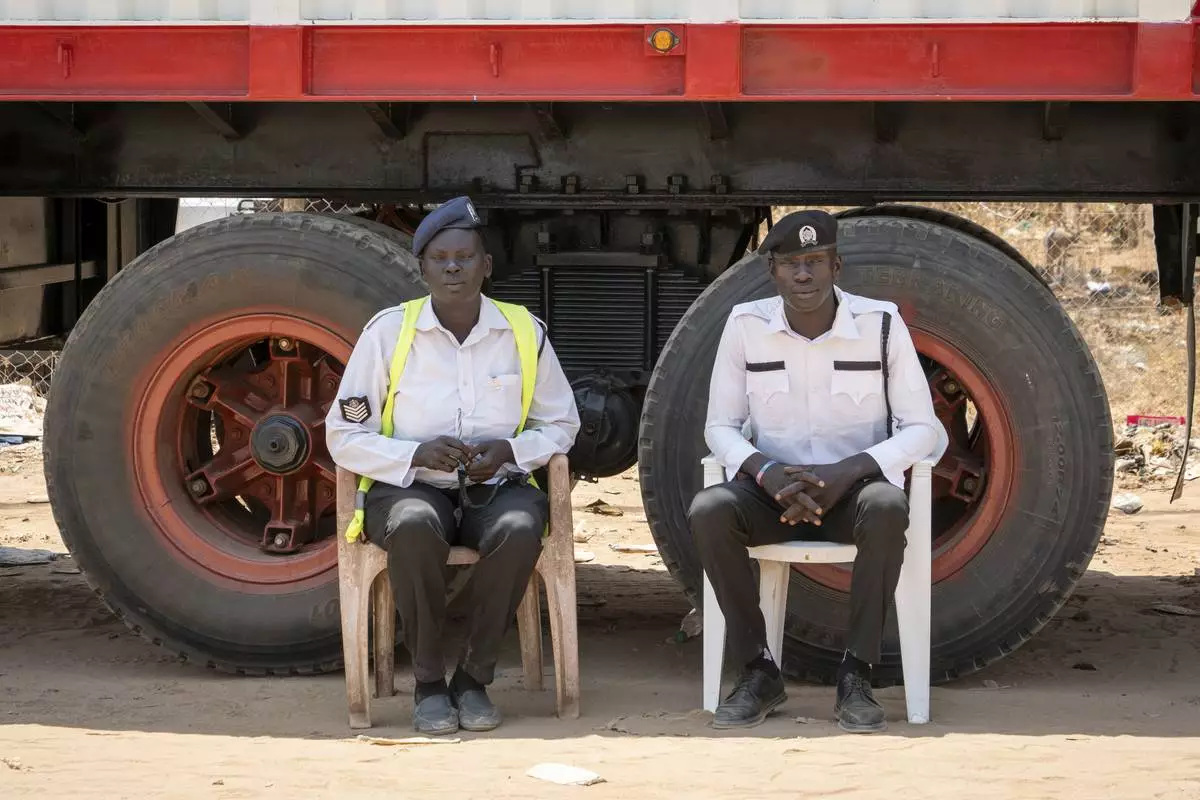
Traffic police officers sit beside the road in Juba, South Sudan Friday, Feb. 21, 2025. (AP Photo/Florence Miettaux)
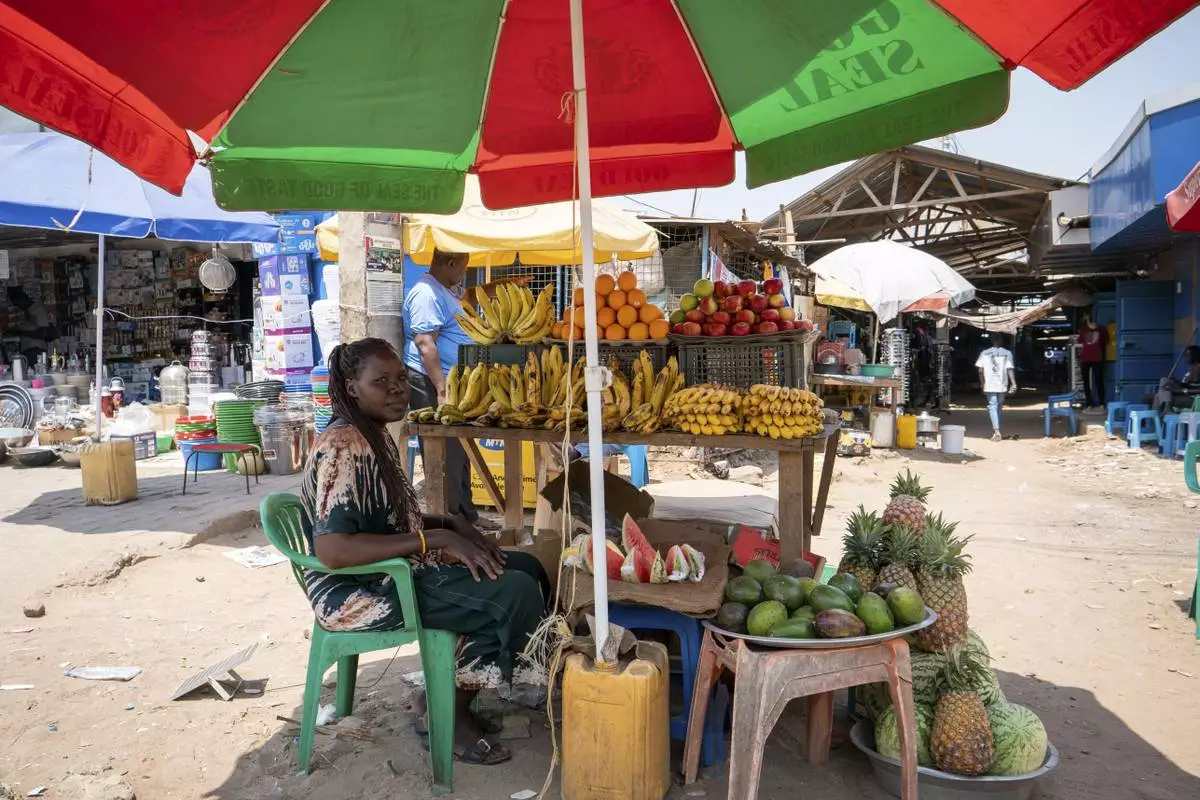
Modong Celina, a fruit seller sits under an umbrella in Juba, South Sudan Friday, Feb. 21, 2025. (AP Photo/Florence Miettaux)
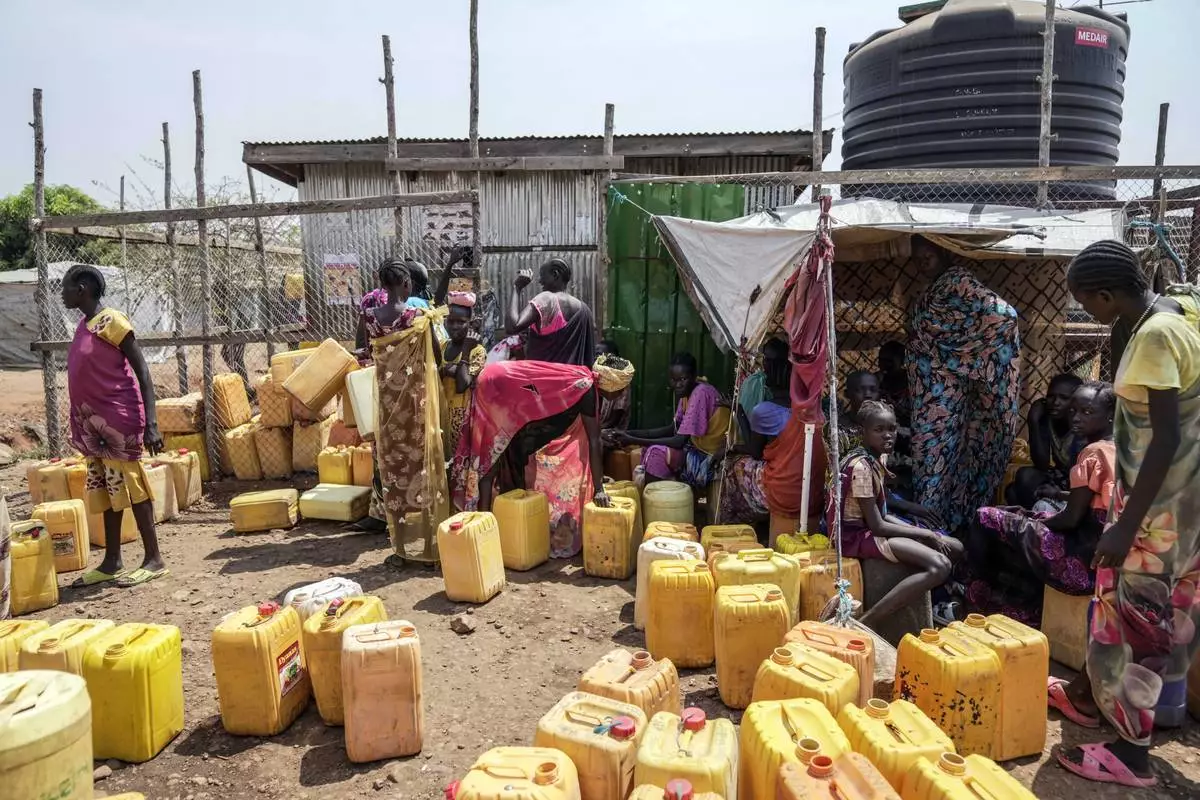
IDP (Internally Displaced Person) fetch water inside a camp in the outskirts of Juba, South Sudan Thursday, Feb. 13, 2025. (AP Photo/Brian Inganga)
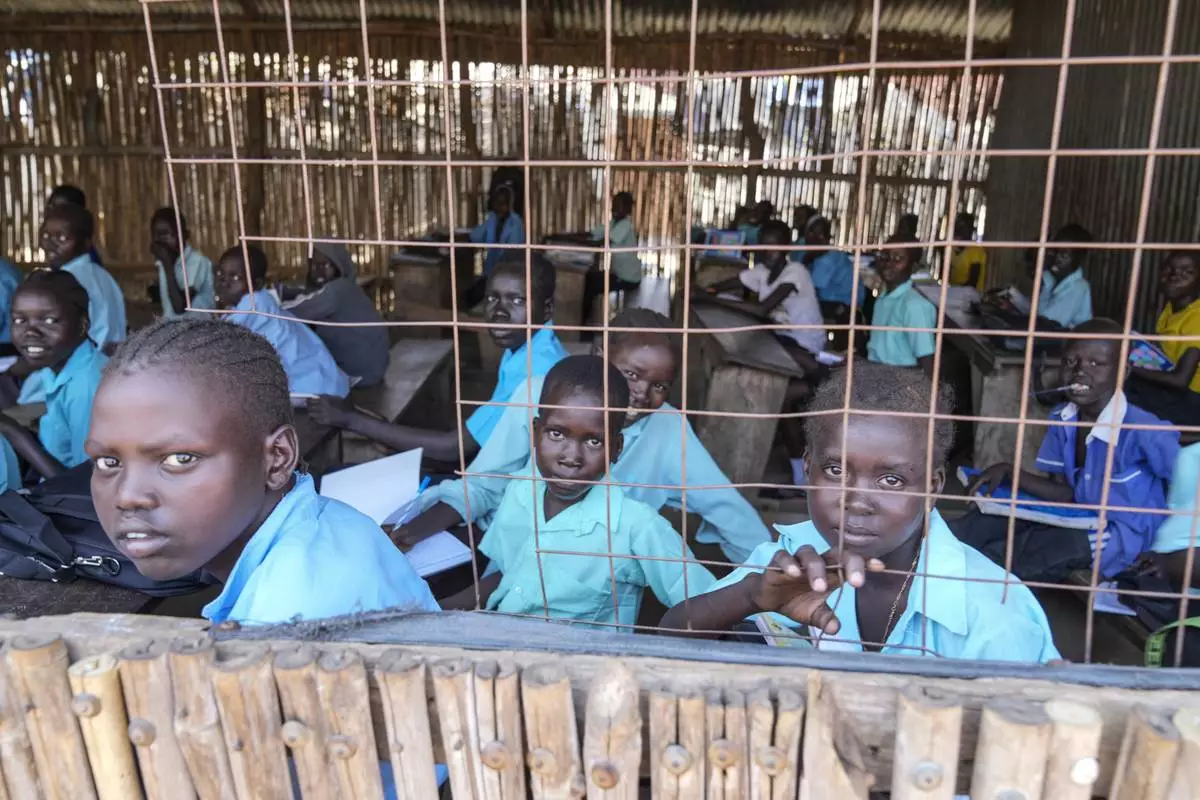
South Sudan refugee children attend a class in Juba, South Sudan Wednesday, Feb. 12, 2025. (AP Photo/Brian Inganga)
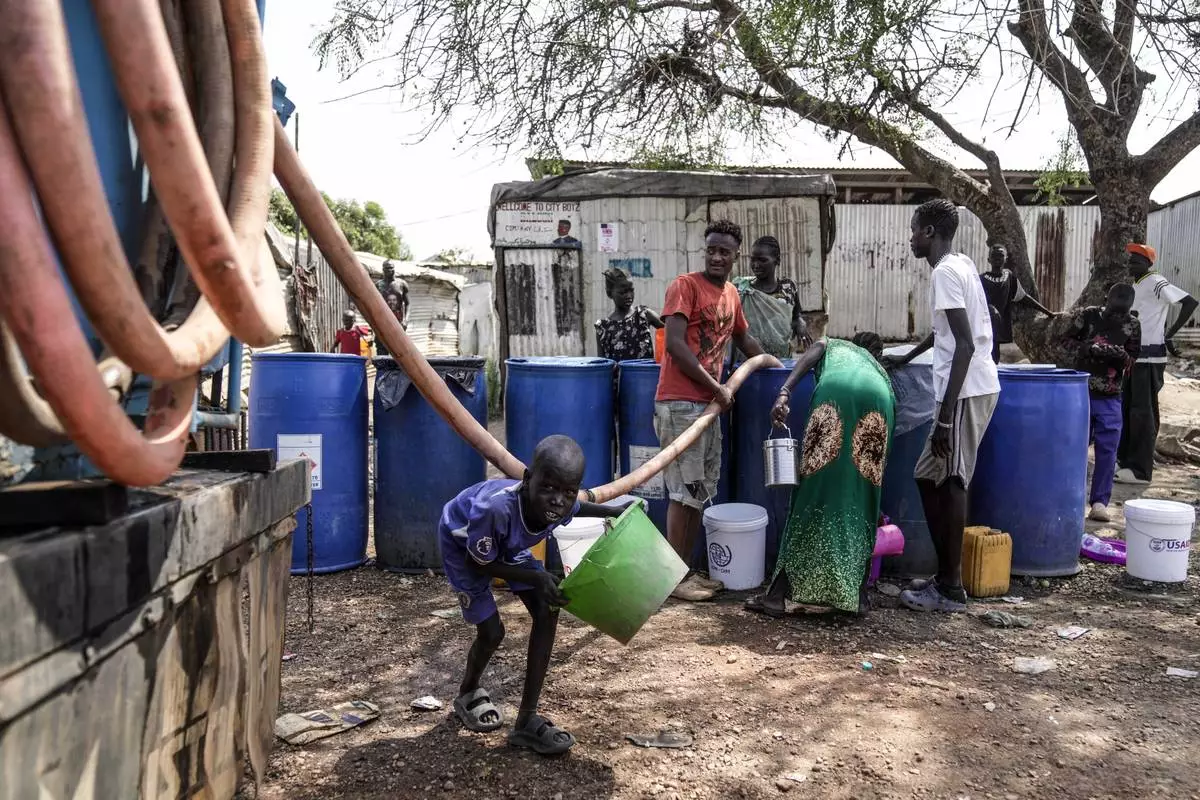
Internally displaced persons (IDP) fetch water inside a camp in Juba, South Sudan Wednesday, Feb. 12, 2025. (AP Photo/Brian Inganga)
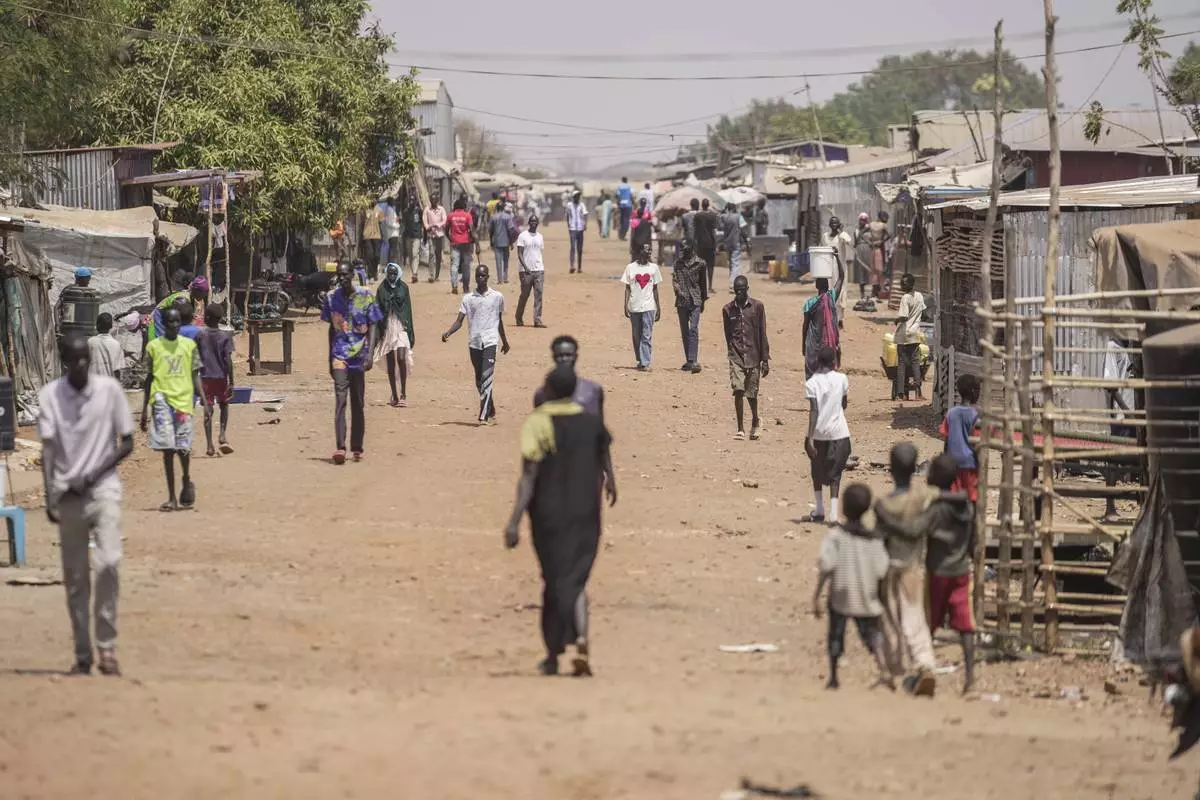
IDP (Internally Displaced Person) walk along a street in Juba, South Sudan Thursday, Feb. 13, 2025. (AP Photo/Brian Inganga)
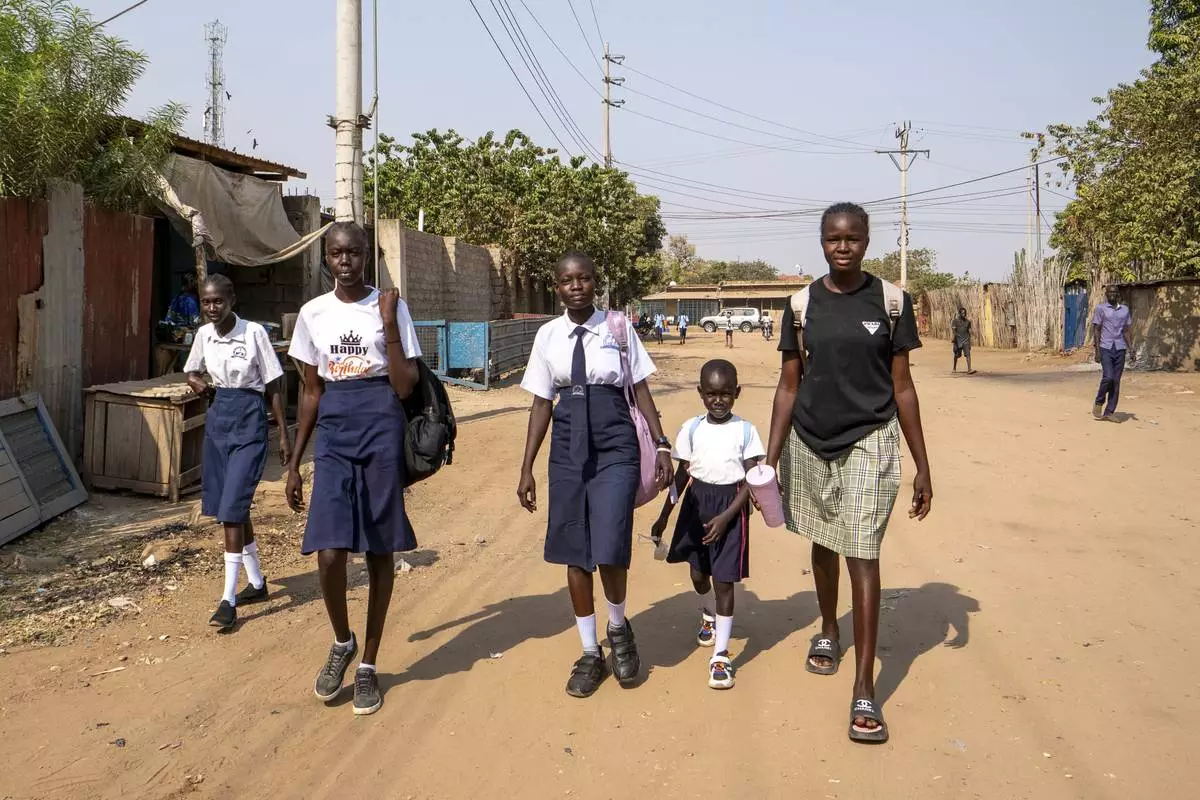
Schoolgirls walk back home after being turned away from their school due to an ongoing extreme heatwave that has caused some students to collapse in Juba, South Sudan Friday, Feb. 21, 2025. (AP Photo/Florence Miettaux)
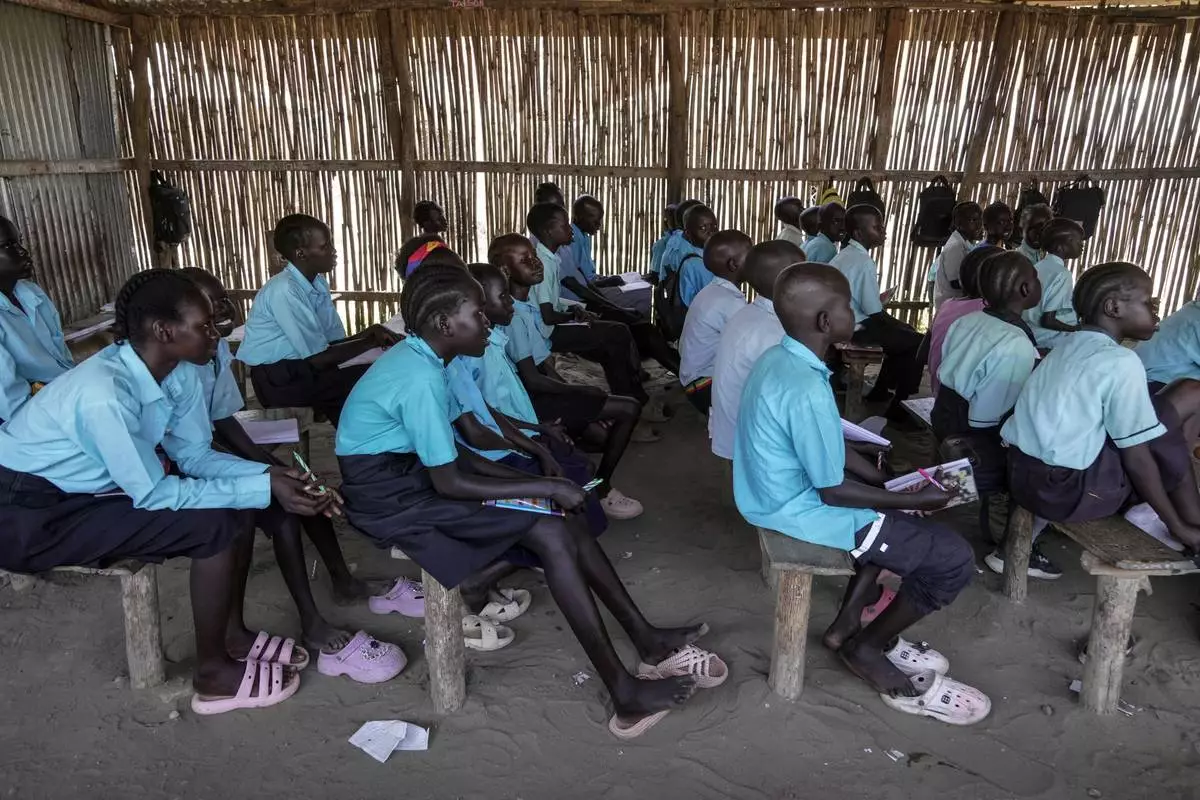
South Sudan refugee children attend a class in Juba, South Sudan Wednesday, Feb. 12, 2025. (AP Photo/Brian Inganga)
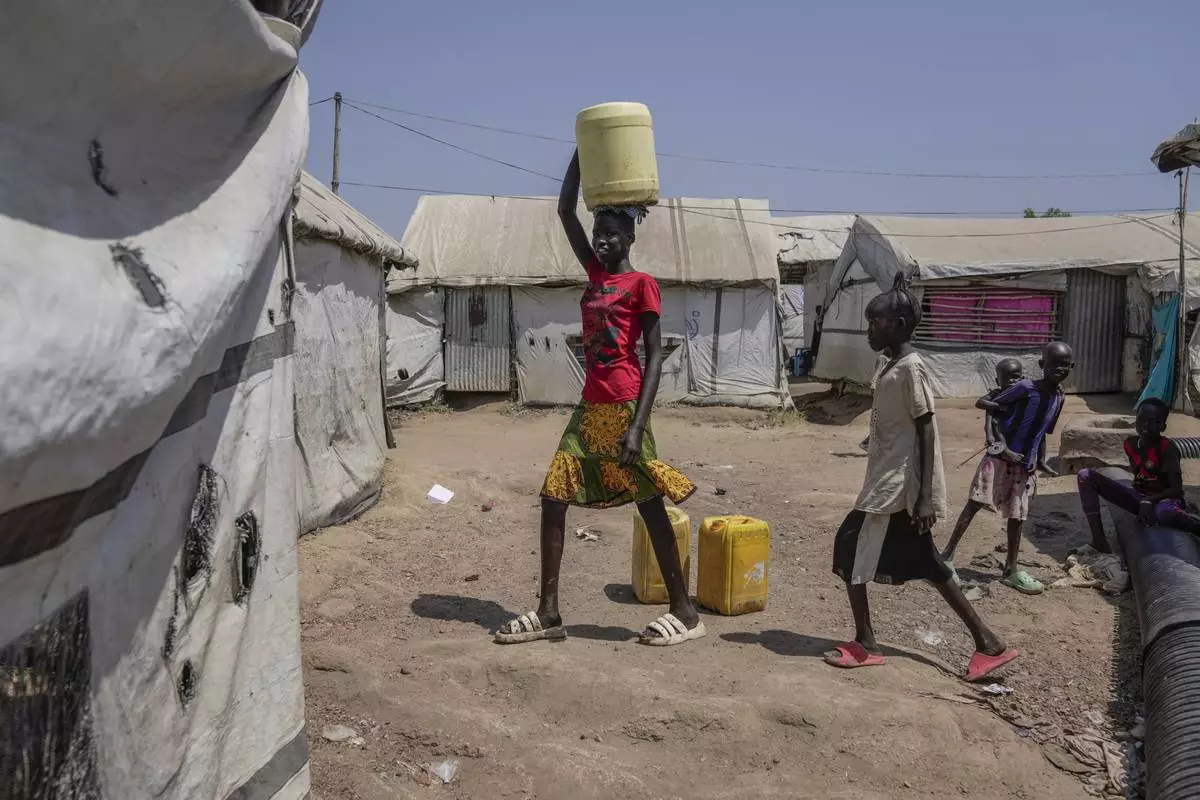
A child carries a jerry can of water on her head in Juba, South Sudan Wednesday, Feb. 12, 2025. (AP Photo/Brian Inganga)
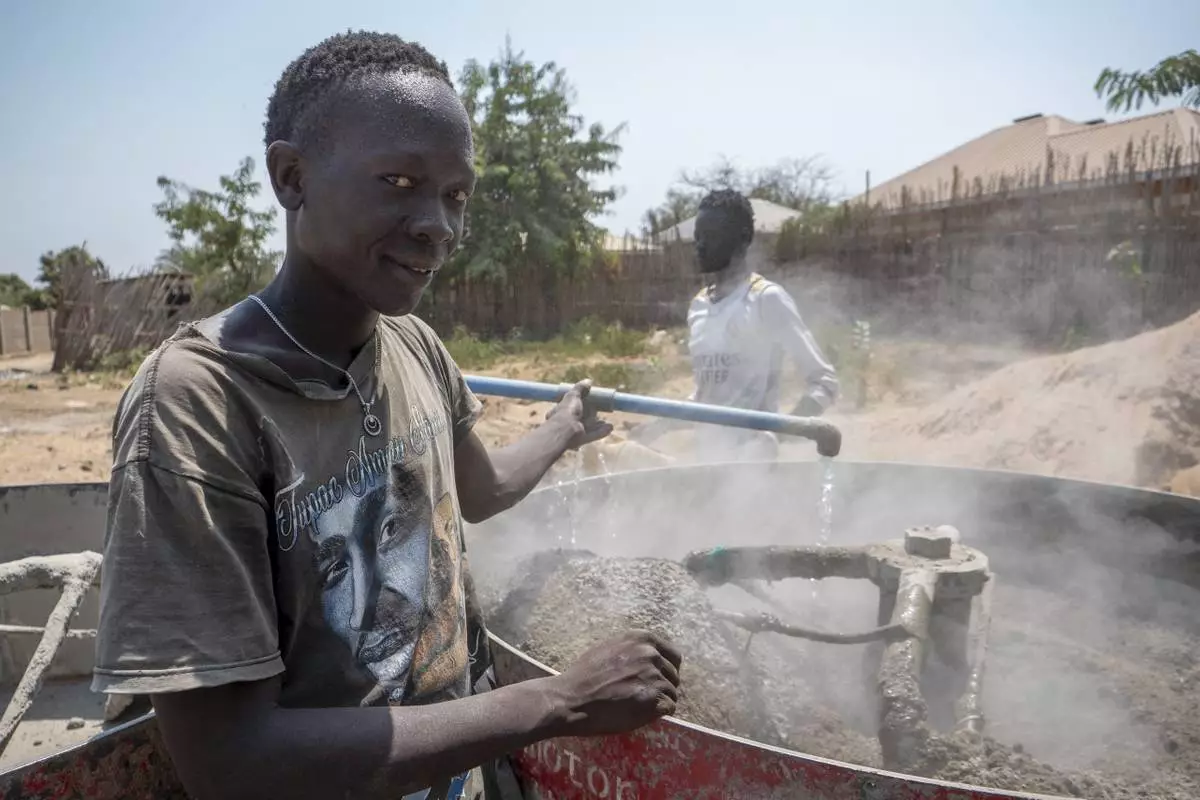
Workers at a cement blocks production workshop in the Rock City area in Juba, South Sudan Friday, Feb. 21, 2025. (AP Photo/Florence Miettaux)
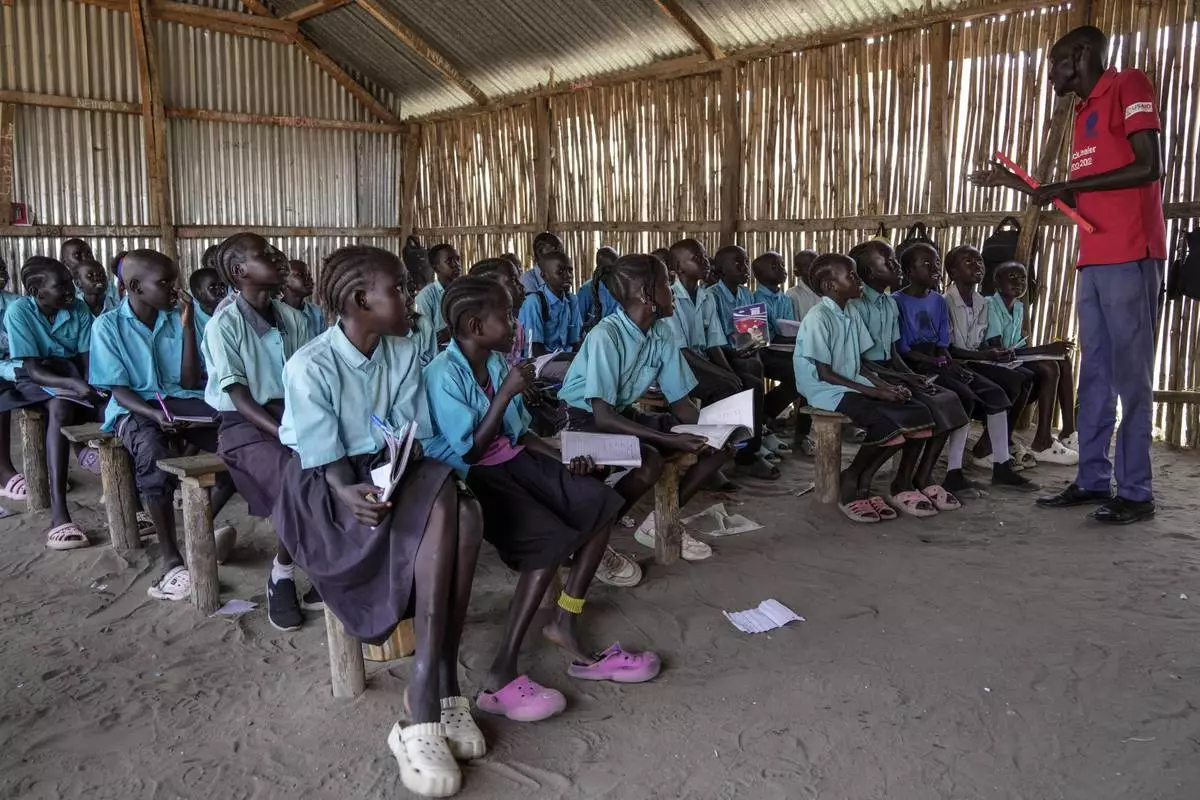
South Sudan refugee children attend a class in Juba, South Sudan Wednesday, Feb. 12, 2025. (AP Photo/Brian Inganga)