Chinese home appliance companies are now climbing the value chain globally as the country's industrial connectivity grows stronger, allowing brands to target higher-end markets.
Over the past year, China's home appliance exports saw a significant surge, growing over 20 percent to reach 4.48 billion units. The value boost comes as companies adapt to global demand with improved products, enhanced customs efficiency, and more integrated supply chains.
Chinese home appliance giant Haier has responded to the rapid growth of appliance exports by expanding its manufacturing capacity.
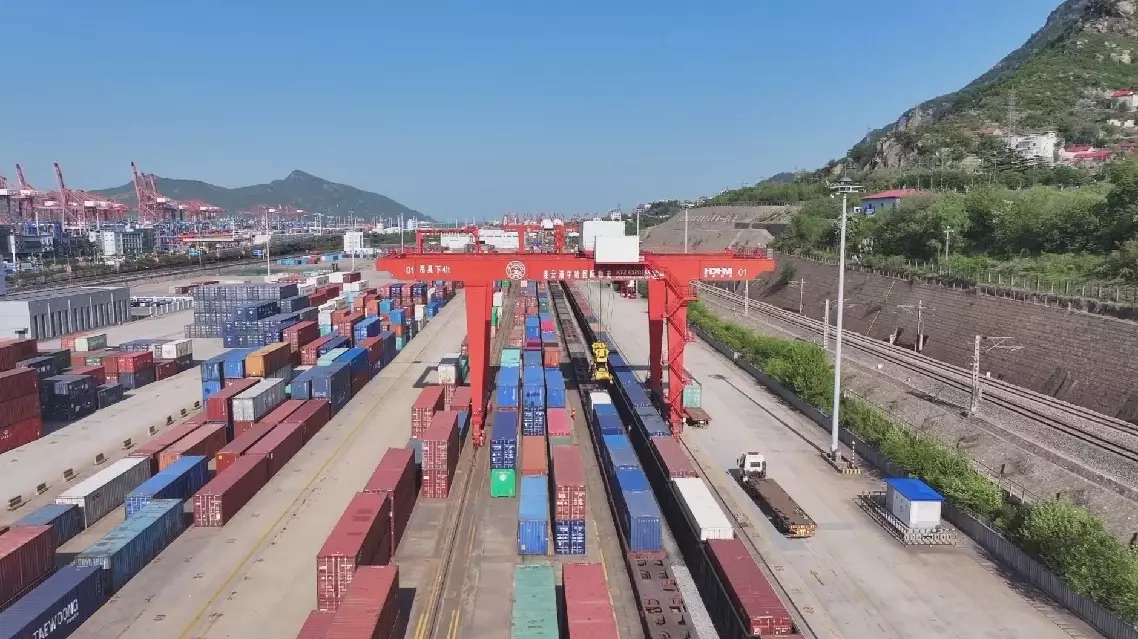
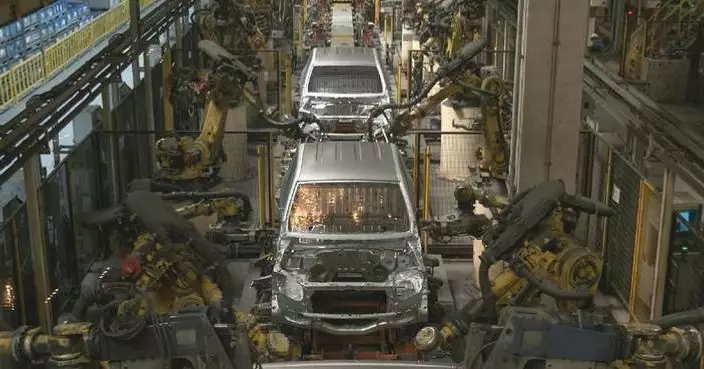
A new production line was added in its factory in Qingdao City of east China's Shandong Province right after the Chinese New Year to meet increasing demand. The factory now has a daily production plan of 36,000 units, equivalent to over 120 standard containers of goods every day.
At Haier's headquarters in the city, a global customer service team, representing over 50 countries across Europe, the Americas, and beyond, is engaged in discussions about digital transformation to help the company tap into overseas markets more effectively. "I arrived in Qingdao after Chinese New Year to align on priorities, to make sure that we have a very clear plan for the year, to grow the business in Europe and identify also additional opportunities for the markets. So we have a very clear goal for Europe, which is to become number one. So we are step-by-step achieving this target. We have already gained the number one position in some markets, like in Italy, also in central Europe, in some of of the markets present in the cluster. We are also making progress in Spain. So step by step we we will be having a clear execution and achieving this goal," said Natalia Sellibara, marketing director of Haier Europe.
In the new year, home appliance exports are becoming increasingly busy, with significant activity in Haier's key overseas manufacturing base in Thailand.
Due to high orders, staff at the base did not return to China during the Spring Festival holiday.
A batch of air conditioners tailored to overseas demand, which would typically take two to three months to complete, was produced in just over a month through global collaboration. The headquarters handled research and development, while the Thai plant focused on key components and assembly, achieving mass production in the first week after the holiday.
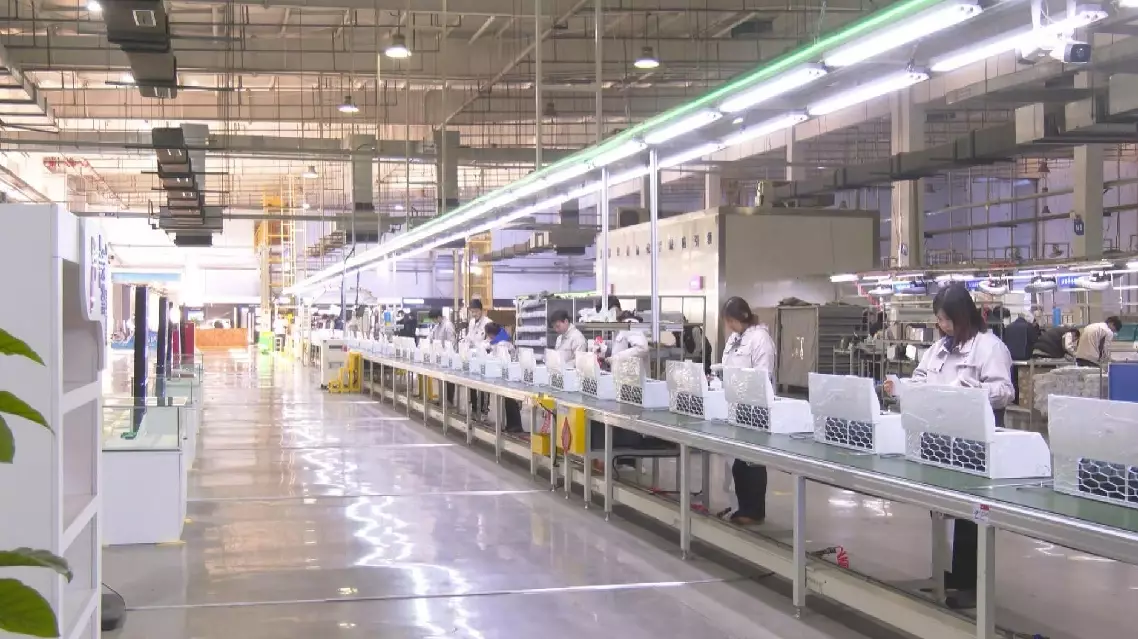
The Thai plant now features Haier's largest overseas integrated unit production line, where an air conditioner is produced every 12 seconds on average. The plant recently began mass production of the industry's first heat pump inverter window unit, which caters to the cooling and heating needs of North American customers while also providing energy efficiency.
Haier's global footprint includes over 30 industrial parks and 160 manufacturing centers in the Americas, Europe, and Southeast Asia. The Thai plant, for instance, can handle everything from raw material procurement to processing key components locally, with many of its suppliers hailing from China.
Today, China's home appliance industry has evolved beyond simple product exports. Companies like Haier are expanding their brands internationally, taking their supply chains with them. By establishing manufacturing bases and sales networks worldwide, these companies are not only opening new markets but also accelerating the globalization of China's manufacturing sector.
China's home appliance exports soar as industry moves up value chain