Skip to Content Facebook Feature Image

Peruvian inventor's plant-powered light system illuminates communities in need

China

China

China

Peruvian inventor's plant-powered light system illuminates communities in need

2025-02-23 20:49 Last Updated At:22:17

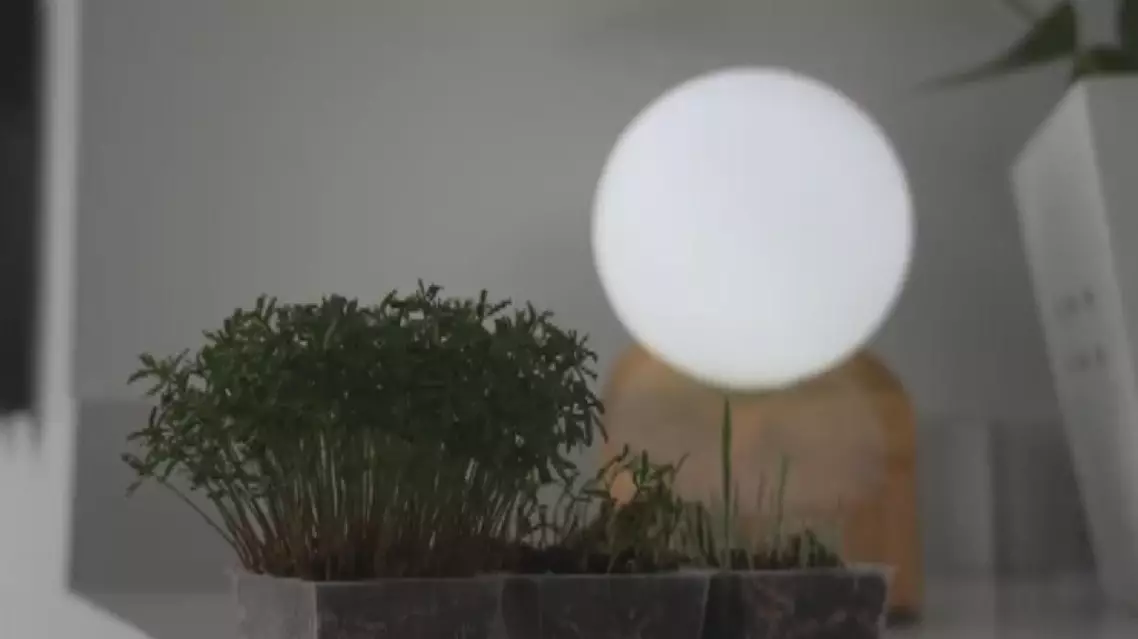
Young Peruvian inventor Hernan Asto has created an LED lamp using electricity generated by plants, inspired by his experiences growing up in poverty without electricity in his home.

Asto said he hopes his invention will provide reliable energy for communities in need. Already, the project has earned numerous international awards and grants.

He has dubbed the brand Alinti, which means "sun" and "plant" in Peru's native languages Quechua and Aymara.

"All we need to get electrical energy is a plant. That is the primary thing, and the second thing is an ideal substrate rich in glucose in the soil. The third is an electrode. With these three components, we can generate energy," Asto said.

This groundbreaking green technology mostly happens in the ground. During photosynthesis, plant roots release organic compounds that are broken down by microbes present in the soil. This process generates electrons that are captured by the electrodes and transformed into electrical energy.

Asto and his team are working on a conductive polymer anode that is more efficient and longer-lasting than a metal one. The goal is to increase the electricity generation from 15 to 60 watts per square meter.

"What we are presenting to mankind is a new source of energy. Plants have served as food and shade and to provide oxygen, but with our technology, human beings can now use natural light from plants for the first time," he said.

Asto's inspiration comes from a childhood in a remote village in the Andes. He grew up without electricity doing his homework by candlelight.

"At the age of 14, I had a serious accident at home. The house caught fire due to the use of candles. Me and my sister Sonia suffered a very sad experience, we practically lost the house because of this fire generated by the candles," he said.

From that point on, he wanted to help rural villages like his have safe, renewable electricity for lighting.

"We as a team have a strong social commitment, we work with that objective. We have a lot of international proposals but first, we want to start with the rural communities," he said.
Peruvian inventor's plant-powered light system illuminates communities in need

Peruvian inventor's plant-powered light system illuminates communities in need

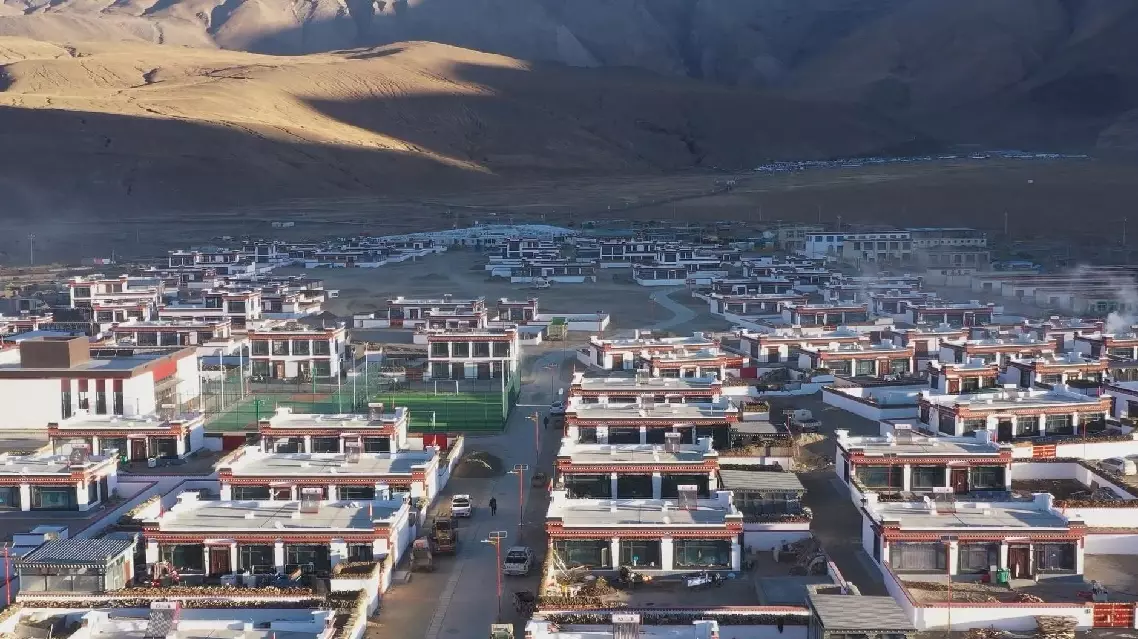
All rebuilt and renovated houses in the earthquake-stricken area of Dingri County, southwest China's Xizang Autonomous Region, have been handed over for use, with affected residents gradually moving into their new homes this winter.

More than 32,500 destroyed or damaged houses have been restored and handed over to affected residents, according to the authorities of Xigaze City, Xizang.

The 6.8-magnitude quake on January 7 struck Xigaze City, including Dingri.

Senga Village of Dingri was one of the worst hit, with only one home barely livable after repair, while homes of the other 126 households had to be rebuilt from ground zero.

For villagers from Senga Village, the new homes bring tangible improvements and a profound sense of comfort.

"Now, as you can see, the house has an insulation layer on the outside. It's extremely warm in winter, and that makes me feel extremely happy," said Tashi Lhunpo, a villager from Senga Village.

Following the earthquake, all member units of the National Committee for Disaster Prevention, Mitigation and Relief provided full support to Xizang for disaster relief and assistance work.

The reconstruction initiative was launched in early March, with full-scale construction commencing in early June.

A total of 134 enterprises and more than 60,000 construction workers participated in the rebuilding effort. They successfully completed construction tasks across 1,032 sites in 47 townships, achieving the goal of "moving into new homes within the same year when the disaster struck."

The restoration work covered 486 villages in seven counties, resulting in the reconstruction of more than 22,000 houses and the reinforcement of an additional 10,500 homes. The first batch of quake-affected residents have moved into new homes in August.

All rebuilt houses in Xizang quake-affected zone handed over to residents

All rebuilt houses in Xizang quake-affected zone handed over to residents

Recommended Articles