Skip to Content Facebook Feature Image

Zaporizhzhia residents strive to rebuild lives amid three years of shelling

China

China

China

Zaporizhzhia residents strive to rebuild lives amid three years of shelling

2025-02-23 17:28 Last Updated At:23:27

Residents of Zaporizhzhia, a frontline city in the Russia-Ukraine conflict situated on the Dnieper River, have persistently rebuilt their lives over the past three years after enduring pain and destruction.

Since the beginning of the year, modular concrete shelters have recently been erected in areas frequently targeted, such as near public transport stops and gathering spots in an attempt to mitigate the impact of shelling.

A representative from the Zaporizhzhia City Council's Civil Defense Department said that these shelters offer protection against shrapnel and blast waves up to 500 kilopascals. They may not withstand a direct hit from an aerial bomb but can effectively shield individuals from blast waves in close proximity.

Since the onset of a fresh wave of intense attacks last fall, more than 2,000 residential buildings have been damaged in the city, leaving a trail of destruction in their wake.

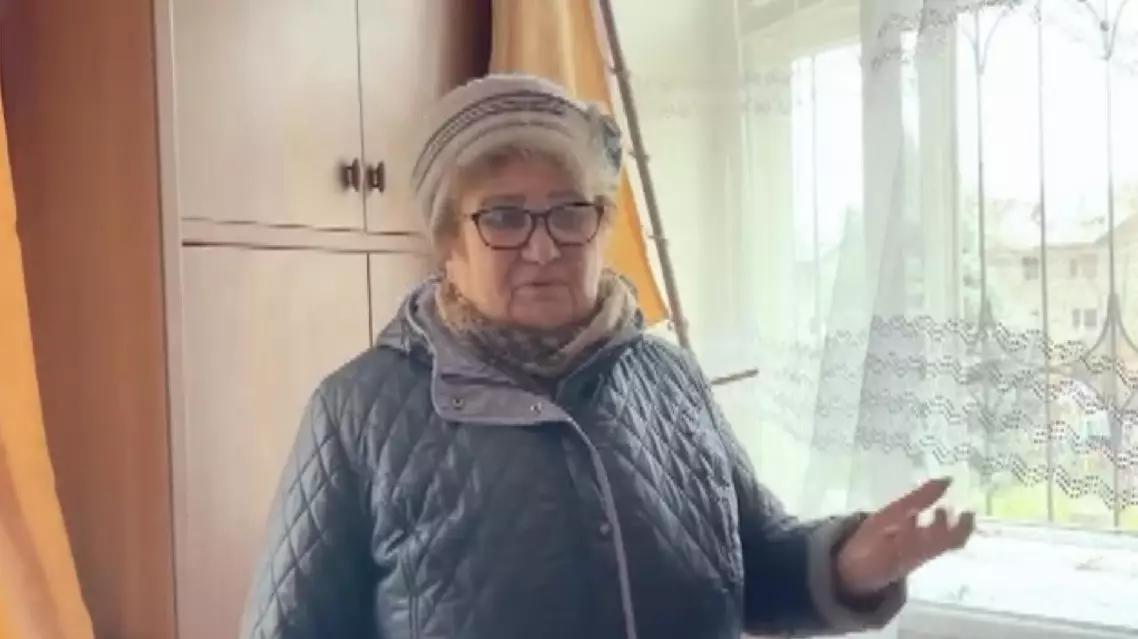
"There used to be a door here. Look at the cracks. The apartment was circular, with two windows—now, everything is broken. I didn't panic. I can't explain why. My body just tenses up and holds on. But when I start sharing my experience, I feel a wave of emotion," said Natalia Aleksandrova, a local resident.

Some houses are being restored, while others are being prepared for demolition, as rebuilding them is more expensive than issuing certificates to residents to buy apartments elsewhere.

Maxim Koval, a former successful entrepreneur in cargo transportation who has traveled extensively throughout Ukraine and abroad, lost his business after his trucks were destroyed in an attack last October.

"Being in a frontline city, we experienced an attack on the embankment while parked at a friend's lot. A KAB missile fell and destroyed everything. Although it can be restored, it requires significant financial investment," he said.

Now, he works as a taxi driver in his business-class car to save up for the restoration of his vehicles and the resumption of his operations.

Local authorities reported that approximately 5,000 businesses have left the Zaporizhzhia region since the conflict began. However, amidst the exodus, some businesses are choosing to relocate to Zaporizhzhia.

Orekhovselmash, an agricultural equipment manufacturer originally based in Orekhov, moved its operations and most of its staff to Zaporizhzhia last year.

"As of 2022, we had over 100 employees. Now we have 25. We are ready to grow and hire back to our previous levels," said Olga Onishchenko, Director of Orekhovselmash.

Despite all the difficulties, Zaporizhzhia has maintained its resilience for three years—its residents are rebuilding, adapting, and supporting one another and their city.
Zaporizhzhia residents strive to rebuild lives amid three years of shelling

Zaporizhzhia residents strive to rebuild lives amid three years of shelling
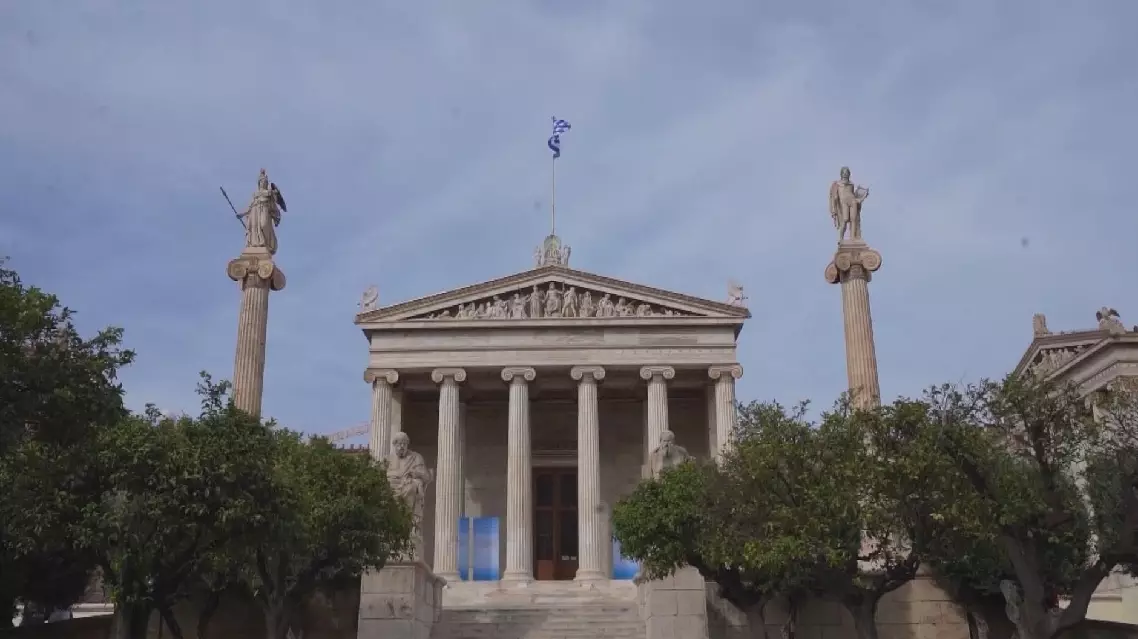
A Greek scholar has shed light on the multi-layered value of classical studies, asserting that modern civilizations can deepen their understandings of themselves, each other, and the challenges they face through the lens of ancient wisdom.

On the sidelines of the just-concluded World Conference of Classics held in Athens, Greece, Professor Myrto Garani of the National and Kapodistrian University of Athens said that Greek and Chinese intellectual traditions, despite giving different answers to life's fundamental questions, offer complementary paths to wisdom that remain urgently relevant today.

"The two civilizations clearly faced many of the same fundamental questions. That is what interests us, and that is why it is so valuable to gather here in Athens and discuss the concerns shared by both peoples since antiquity. We may have arrived at different answers. However, by examining the different ways in which we approached these questions, we can also reconsider the answers that our own civilization produced. In doing so, we gain a deeper understanding of one another. That is the real value of this dialogue and the reason we continue to explore these questions in greater depth," said Garani.

The professor said that she urges young people who view the classics as outdated or irrelevant to consider that ancient wisdom equips modern minds with essential tools for navigating today's crises.

"Classical studies will obviously not provide direct answers to the climate crisis or the energy crisis, for example. But they can help us cultivate our thinking and our judgment. The way people confronted fundamental questions in the past can help us respond to the challenges of the present. I believe this is one of the greatest things we can gain from classical studies. They encourage comprehensive thinking and critical judgment. They also allow us to examine the values of antiquity and understand how those values can be adapted and applied today," said Garani.

Held from June 9 to 10 under the theme "Dialogue Between Ancient and Modern Civilizations: Contemporary Inspiration from Classical Wisdom," the Second World Conference of Classics brought together more than 200 scholars, researchers and cultural representatives from Asia, Europe, Africa and North America.

This year's gathering highlighted the contemporary relevance of classical civilizations, exploring how ideas drawn from ancient traditions can offer insights into governance, ethics, social development and international relations amid evolving global challenges.

Greek scholar hails classical studies as East-West bridge

Greek scholar hails classical studies as East-West bridge

Recommended Articles