Communities in the Philippines are turning to creative solutions to combat the dengue outbreak as cases of the mosquito-borne illness are skyrocketing across the Southeast Asian archipelagic country.
More than 43,000 dengue cases have been reported from January to mid-February nationwide, compared with almost 28,000 in the same period last year, according to Philippine health department data.
Click to Gallery

Philippines faces alarming increase in dengue cases
Philippines faces alarming increase in dengue cases
Philippines faces alarming increase in dengue cases
Philippines faces alarming increase in dengue cases
Philippines faces alarming increase in dengue cases
Health officials warn rising temperatures and unpredictable weather patterns have created ideal breeding conditions for mosquitoes, exacerbating the crisis.
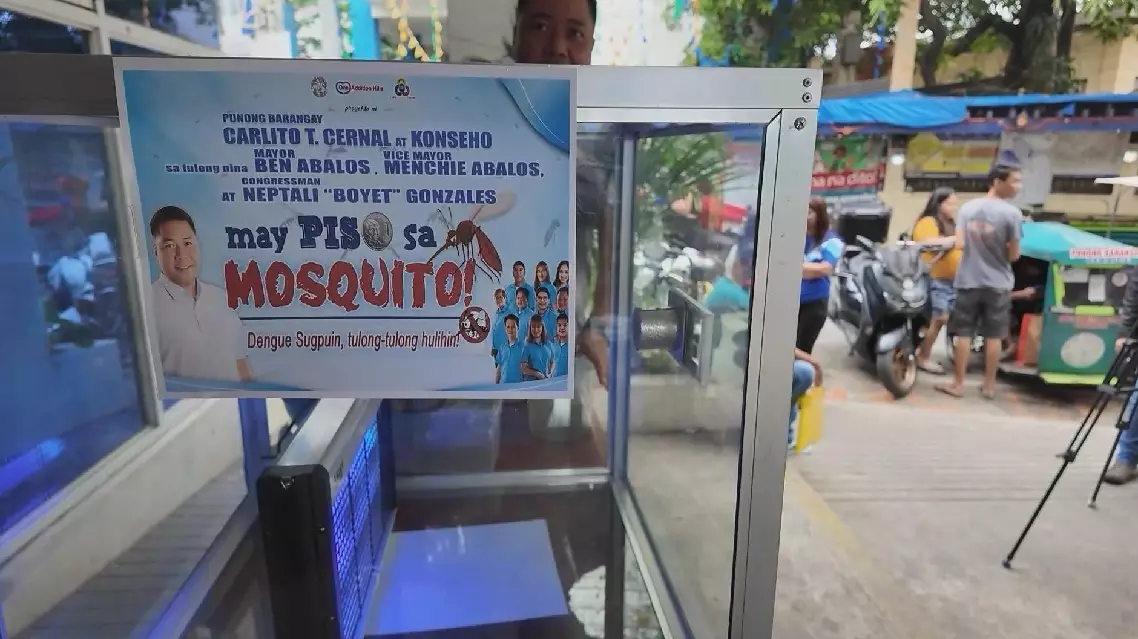
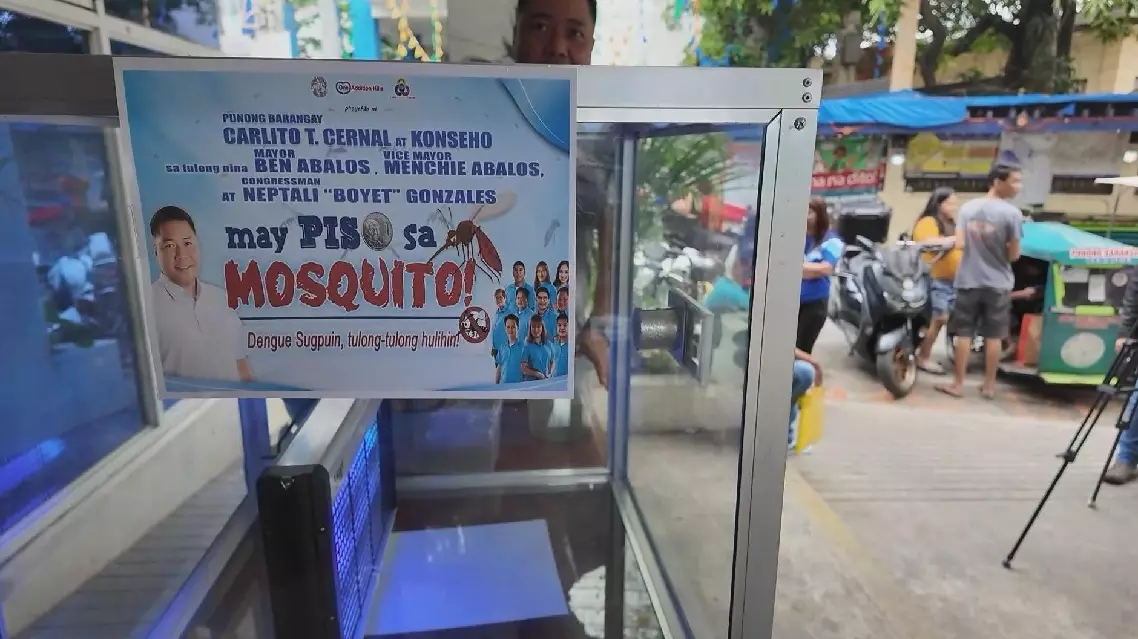
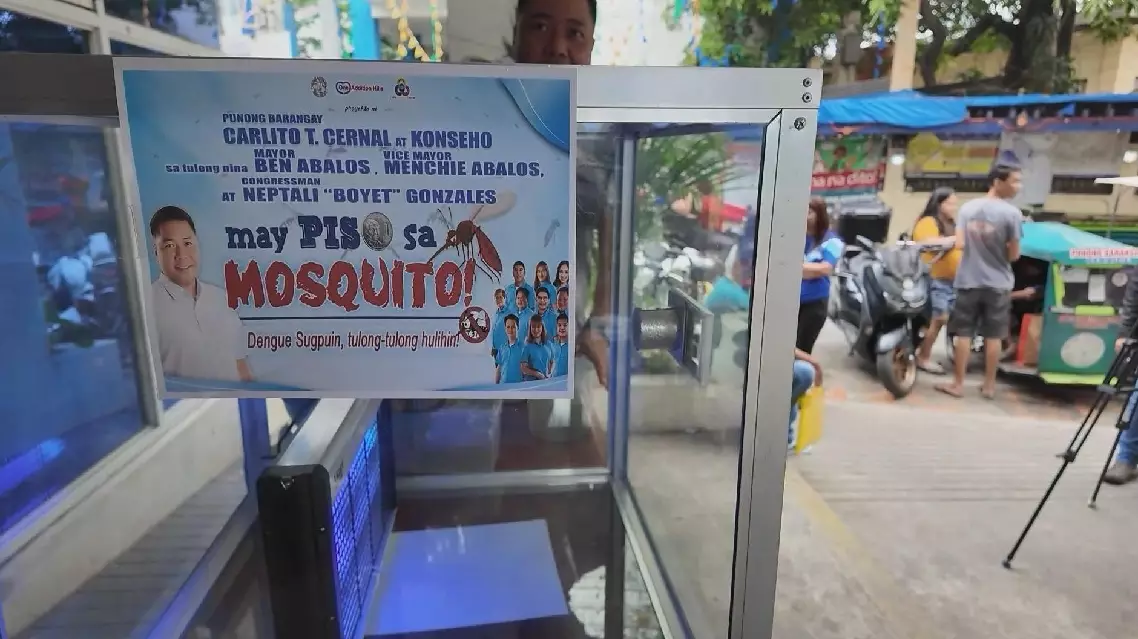
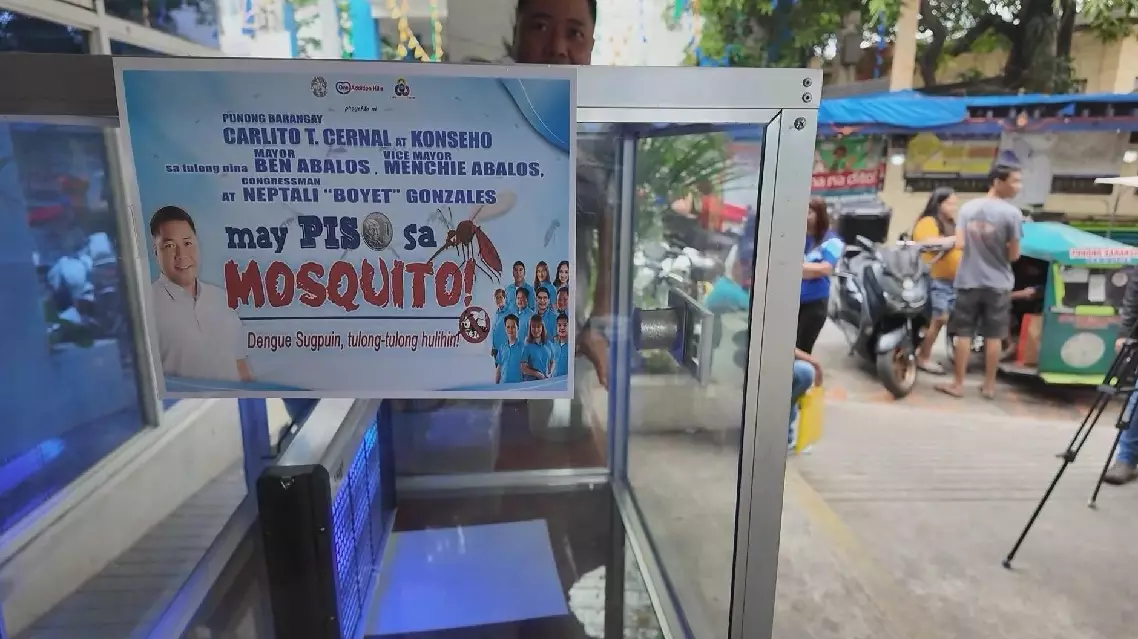
In response, village chief Cerlito Cernal of Addition Hills in Mandaluyong City launched a scheme in one of the country's most densely populated areas. His strategy offers a token bounty to residents for captured mosquitoes - one peso for every five caught.
The urban village with over 170,000 residents has recorded three child deaths from dengue viral infection. Residents are now clearing stagnant water and collecting mosquitoes to claim the bounty. The captured insects are placed in an electric mosquito killer, while larvae are destroyed with insecticide. "It's for the cleanliness of our village. We must get rid of stagnant water where mosquitoes lay eggs, so we don't get dengue," Cernal told China Global Television Network (CGTN).
Dengue is a mosquito-borne viral infection found in tropical countries worldwide. It can cause joint pain, nausea, vomiting and rashes, and in severe cases can cause breathing problems, hemorrhaging and organ failure. There is no specific treatment for the illness.
The Philippines has managed to maintain slightly lower mortality rates amid the increase in dengue infections, but younger children remain the most vulnerable.
Fourteen-year-old Saentellie Estordillo was among the latest victims. Her family said she had a high fever before she started vomiting blood. The young girl passed away after a week in the hospital.
"It was so unexpected and it happened so fast. The doctor said the virus spread throughout her body and her liver was severely affected," said Lorena Estordillo, the victim's grandmother.
The Philippine health department is urging the public to seek immediate medical attention at the first sign of dengue symptoms. To ease the surge in cases, government hospitals have been ordered to activate dengue fast lanes for quicker diagnosis and treatment. Rapid test kits have also been deployed to speed up detection and response.
Health officials say climate change is fueling a year-round dengue crisis in the Philippines. Warmer temperatures and prolonged rains are creating ideal conditions for mosquitoes to breed, accelerating the spread of the virus. With unpredictable weather patterns, experts warn dengue outbreaks are no longer seasonal but a constant threat.
Philippines faces alarming increase in dengue cases
Philippines faces alarming increase in dengue cases
Philippines faces alarming increase in dengue cases
Philippines faces alarming increase in dengue cases
Philippines faces alarming increase in dengue cases