Skip to Content Facebook Feature Image

China's 2026 subsidy scheme further spurs consumption for home appliances, smart products

China

China

China

China's 2026 subsidy scheme further spurs consumption for home appliances, smart products

2026-01-07 21:23 Last Updated At:22:27

China has implemented the 2026 trade-in subsidy scheme for home appliances and electronic products across the country since Jan 1, further stimulating people's willingness to spend.

According to a notice jointly issued by the Ministry of Commerce and other government departments, individual consumers purchasing energy- and water-efficient household appliances will be eligible for subsidies of up to 1,500 yuan (about 213 U.S. dollars) per item.

In addition, subsidies will cover certain digital and smart products, including mobile phones, tablet computers, smartwatches and smart bands, priced at no more than 6,000 yuan each. For these products, the subsidy will be capped at 500 yuan per item.

In Lianyungang, east China's Jiangsu Province, sales of household electric products through the trade-in program have remained strong following the New Year holiday.

"I think it is a great policy that can boost consumption and drive economic growth," said Li Chengxuan, a local resident.

In efforts to facilitate the implementation of the program, many home appliance stores in Lianyungang have not only simplified the purchasing procedures but also offered one-stop services including recycling used appliances, delivering new products and assisting buyers with installation.

At a shopping mall in the center of Xuzhou, Jiangsu Province, the clerk said that they received a large number of customers inquiring about the subsidy policy even on weekdays.

"Since the 2026 trade-in policy was rolled out, the number of people coming to ask about it has increased by two to three times than usual. For instance, products priced under 6,000 yuan are eligible for subsidies of up to 500 yuan, making them quite popular and very cost effective," said Li Jin, a shop assistant.

In southwest China's Sichuan Province, people can claim qualification vouchers on UnionPay, a unified mobile payment application for China's banking industry. The vouchers cover four categories including smartphones and tablets, with a 15-percent rebate of the purchase price.

"Since the New Year's Day holiday, the number of people purchasing mobile phones has increased significantly. They can receive subsidies from our store and the manufacturers while also enjoy the national subsidies. The subsidies are more generous and more attractive," said Gong Xiaojuan, manager of a mobile phone store.

China began rolling out subsidies for consumer goods trade-ins in 2024 to boost market confidence and stimulate domestic demand

For 2026, Chinese authorities have allocated 62.5 billion yuan in ultra-long special treasury bond funds in advance to support this year's program.

The renewed plan has further expanded its coverage, including smart glasses in the categories for the first time.

Meanwhile, the nationwide initiative continues to vigorously support the scrapping and replacement of vehicles.
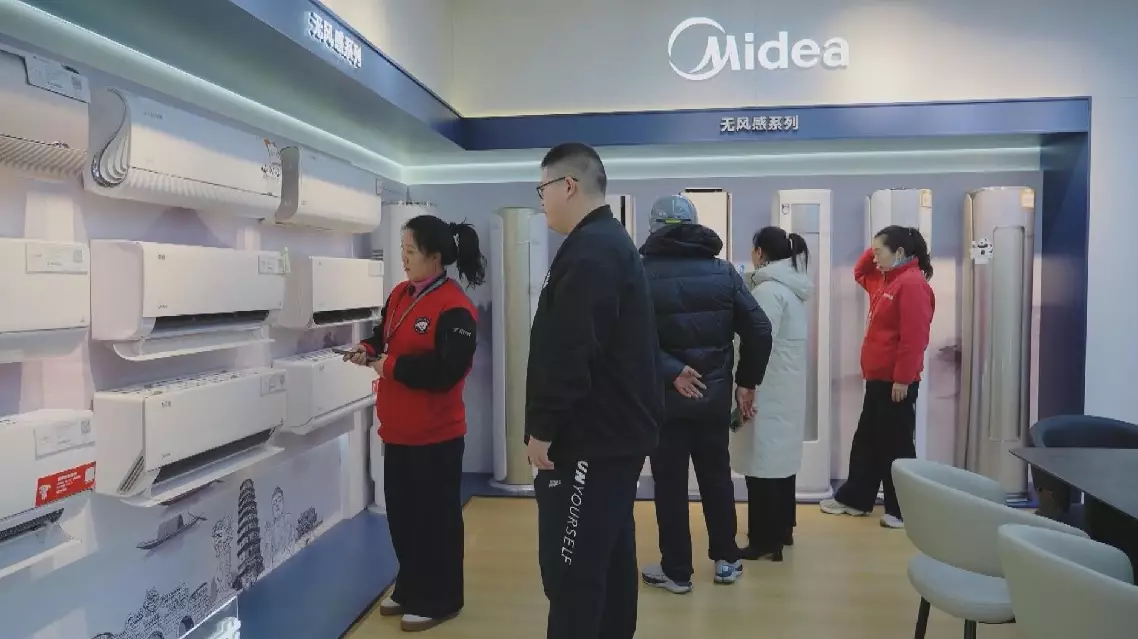
China's 2026 subsidy scheme further spurs consumption for home appliances, smart products

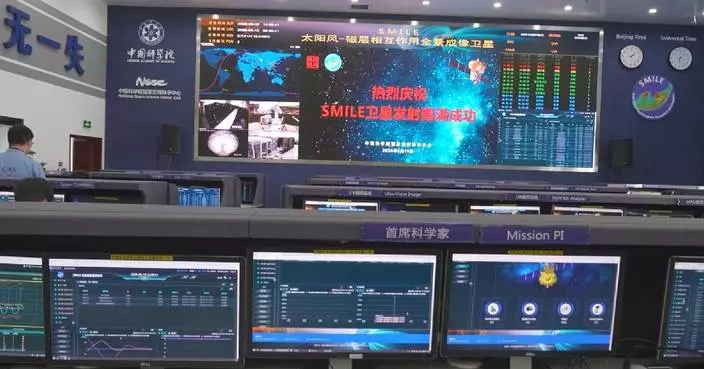
China's 2026 subsidy scheme further spurs consumption for home appliances, smart products
Chinese tech companies are able to stand out globally due to key advantages including execution efficiency and resilience, leaving them poised to lead the future, said Chris Pereira, founder and CEO of the south China-based tech ecosystem company iMpact, at the ongoing 2026 Consumer Electronics Show (CES) in Las Vegas.

CES, first held in 1967, is a bellwether for the global consumer electronics industry. It annually presents cutting-edge innovations from tech companies in fields including artificial intelligence (AI), robotics, smart home systems, and autonomous vehicles.

This year's event runs from January 6-9, featuring product launches, exhibitions, business meetings, and industry forums.

During the exhibition, Pereira shared his observations on the global market performance of Chinese tech enterprises in recent years, highlighting how their success in innovation has reshaped international perceptions of China’s capabilities.

"We're seeing a major shift in views towards Chinese companies in 2026. The last few years has been a gradual evolution of more Chinese tech, more Chinese brands going overseas. You've seen it with Labubu, BYD, TikTok, etc. But this year, 2026, I think there's a massive change, actually. There's a recognition. We're sitting in a Chinese car, enjoying the best of tech and comfort here at CES. And I think that goes across all industries here: we've got smart health, we have new energy. There's even furniture manufacturers building everything across the board that you can think of, building true connection overseas. I think, in building trust along the way -- so, I think that's what we're seeing here," he said.

He emphasized his personal experience working with these companies in south China's tech hub Shenzhen City, noting they possess unique strengths that not only enable them to develop practical, market-ready smart products but also empower them to navigate challenges amid adverse international conditions.

"iMpact, my company -- our slogan is 'We bring the speed of Shenzhen to the world.' I think the number one thing that almost every Chinese company brings is fast execution and very quick responsiveness. That's number one. The second also -- just as important -- (is) to bringing AI to the real world. So AI plus hardware -- you're seeing lots of robot applications here. So using AI to do real things in the world, not just in the cloud or through LLMs (large language models). It's really things -- moving things, cleaning things, helping people. That's the second strength for Chinese companies," said Pereira.

"And the third is the resilience. Chinese companies have had it very difficult overseas the last few years, and I think a lot of the investment that they've made in friendships and connections overseas are bearing fruit in 2026," he said.

Chinese tech firms' newfound global presence builds on responsiveness, resilience: insider

Chinese tech firms' newfound global presence builds on responsiveness, resilience: insider

Recommended Articles