Skip to Content Facebook Feature Image

Qatar hosts 2025 Web Summit

China

China

China

Qatar hosts 2025 Web Summit

2025-02-25 13:42 Last Updated At:02-26 01:07

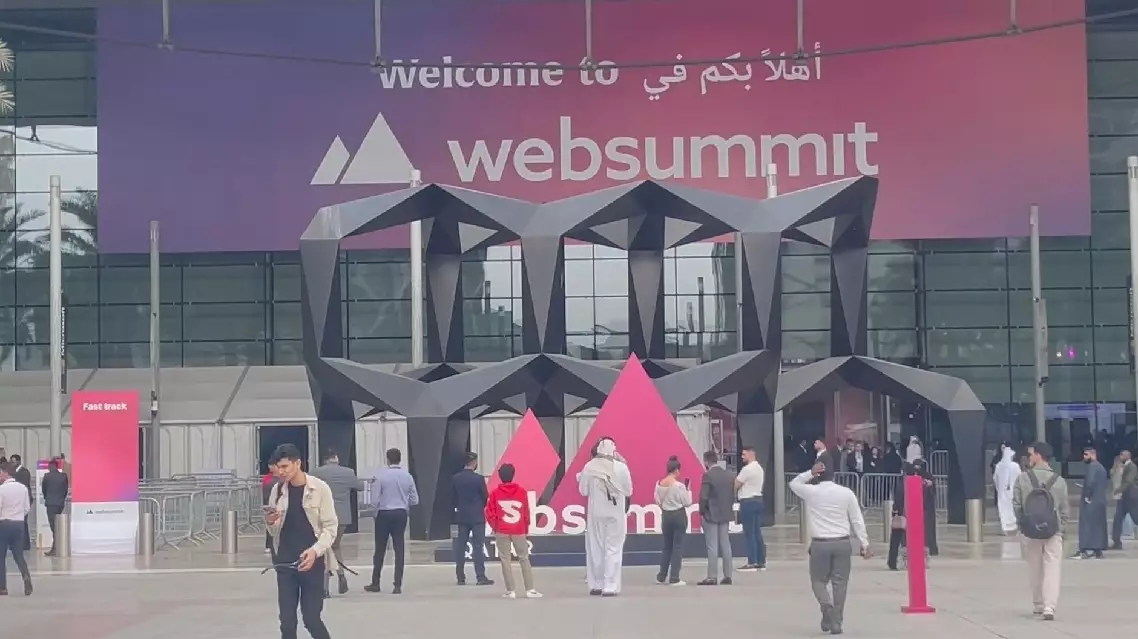
The four-day 2025 Web Summit, one of the world's largest technology conferences, officially opened in Doha, Qatar, on Sunday, with expected attendees exceeding 25,000.

According to the summit organizer, these attendees come from more than 1,500 startups, with thousands of political, economic, and technology figures from approximately 90 countries and regions across the globe.

Hundreds of renowned scholars, entrepreneurs, and technical experts are scheduled to deliver keynote speeches at the event, as the agenda explores the latest trends in global technological development with a wide range of topics, including artificial intelligence (AI), autonomous driving, new energy, digital economy, cybersecurity, and venture capital. AI, in particular, has emerged as a central focus of this year's summit.

By setting up such an abundant range of topics, the organizer aims to build a diverse and inclusive innovation ecosystem with the help of this summit, trying to promote technological innovation and economic transformation in the Middle East and North Africa (MENA) region, eliminate the global digital divide, and become the bridge of sci-tech globalization.

"Qatar is trying to diversify away from oil and gas and try to build knowledge-based economy. And this Web Summit, by having all these startups, all these innovative ideas, will accelerate this process," said Ahmad Abushaikha, an attendee from Qatar.

"For us, it's very important to expand, obviously. So, we're a global company. And we already have one customer in Middle East. So, it kind of makes sense for us to grow in this region as well," said Toni Hukkanen, an attendee from Finland.
Qatar hosts 2025 Web Summit
Qatar hosts 2025 Web Summit
Qatar hosts 2025 Web Summit
Qatar hosts 2025 Web Summit
Qatar hosts 2025 Web Summit

Qatar hosts 2025 Web Summit
Price hikes in Cambodia resulting from the global energy crisis have made local people's life more difficult.

Among Southeast Asian countries, Cambodia is the most severely affected by the fuel crisis triggered by the war in Iran.

It has neither domestic commercial oil production capability nor oil refinery, and even under normal conditions it has less than a month's supply of petrol, diesel, jet fuel, and liquefied petroleum gas (LPG).

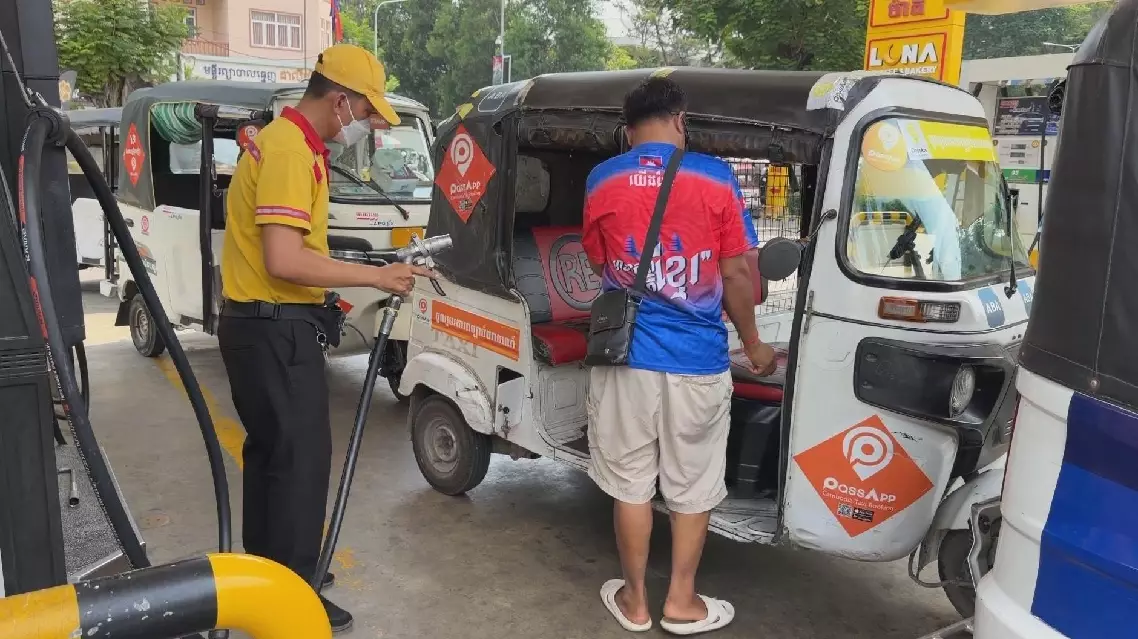
The vast majority of the country's tuk-tuks which run on LPG have faced soaring prices.

"The fares for the ride-hailing apps we work with don't increase. They don't adjust in line with the rising gas prices. It's very hard to make a living. Even affording three meals a day is difficult, it's sometimes not enough," said Nov Hout, an LPG tuk-tuk driver.

Hout said some drivers have already switched to electric vehicles to save LPG costs.

Meanwhile, the sharp rise in the LPG price has compelled many Cambodians to abandon modern cooking methods and revert to traditional practices.

"We have to use firewood for cooking for the time being. It's just not as convenient as cooking with gas, but we must save money because gas is so expensive," said Chea Yon, a resident on Cambodia's Silk Island.

Cambodia relies heavily on road transportation, and rising fuel costs are driving up the price of all sorts of goods.

Farmers are not only feeling the pinch of rising fertilizer costs, but also pressures from fuel costs.

"We need to use a machine to pump water for irrigation, which requires a lot of fuel. The other day when we dug up ginger, we didn't make a profit at all. In fact, we lost money because fuel prices are so high," said Ra Hong, a farmer in Phnom Penh.

Fuel price hikes in Cambodia make life harder for local people

Fuel price hikes in Cambodia make life harder for local people

Recommended Articles