The Chinese Navy carried out a multi-subject combat support drill in the South China Sea, with comprehensive supply ships Chaganhu and Qinghaihu participating.
Aiming to enhance the all-weather combat capacity, the drill involved combat against simultaneous air and sea intrusions, requiring the navy soldiers to make rapid responses and the warships to coordinate with each other against enemies.
"In this naval gun live-fire training, the exercises were conducted based on real combat scenarios, with both sides being unaware of drill plans, and the exercise controller set scenarios in real time based on actual combat requirements. The naval officers and soldiers overcame adverse weather, taking into full consideration the sea area conditions and target attributes, and managed to seize the right firing opportunity with full flexibility. This exercise effectively improved the commanders' battlefield situation assessment abilities, thoroughly tested the ship's live-fire shooting capabilities and equipment performance, and accumulated experience for using naval guns in complex enemy situations," said Chen Zuoshu, a soldier aboard the Chaganhu.
In addition to live fire battles at sea, the drill also involved tasks such as at port and underway replenishment, as well as joint search and rescue, aiming to enhance comprehensive all-weather, full-time, and all-place combat and support abilities.
"This naval task force training was divided into two stages: intensive practice at the port and targeted training at sea. The focus was on enhancing personnel's planning for naval combat, the coordination among ships in the task force, and commanders' ability to handle on-the-spot situations. Targeting the goals, training exercises included supply docking at ports, naval gunfire, and overall ship damage control. These tasks provided all-around improvement of the crew's replenishment skills and have provided rapid combat readiness training for new personnel, accumulating valuable drill experience," said Li Dong, another navy soldier aboard the Chaganhu.
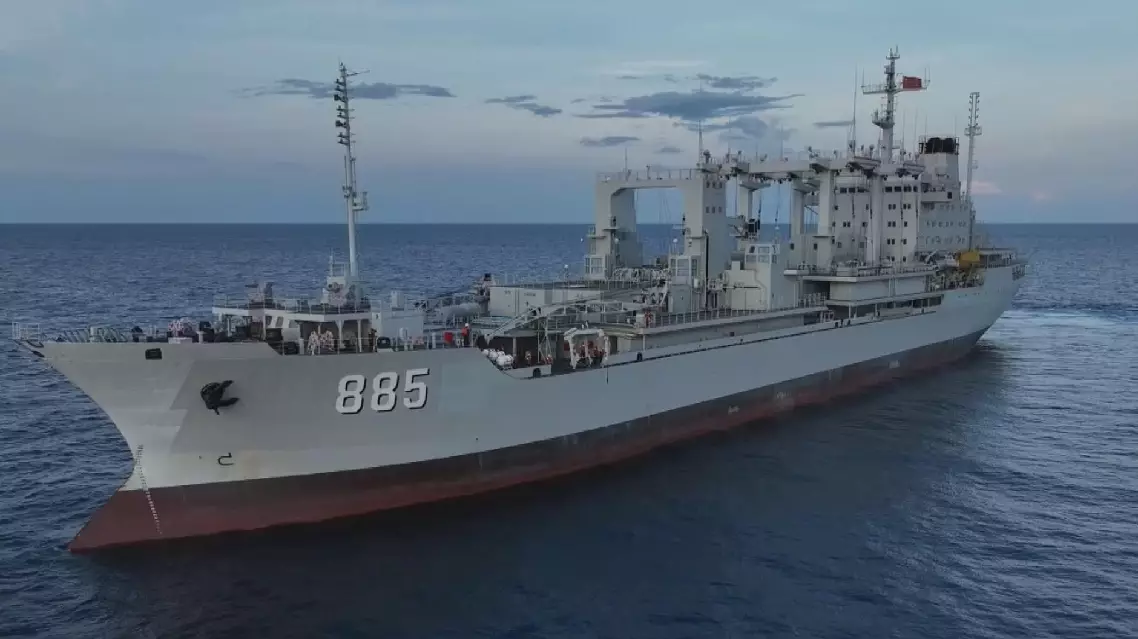
Chinese navy conducts combat support drill in South China Sea
Spain is seeing a surge in European tourists as conflict in the Middle East prompts travelers to opt for closer and safer destinations.
With Easter holiday underway, Palma de Mallorca airport has been packed with visitors who abandoned plans for trips eastward. Hostilities triggered by Israeli‑U.S. strikes on Iran have forced major airports across the Middle East to cancel or delay flights, severely disrupting aviation and tourism in the region.
"We were thinking about going to Dubai, but because of the war, there was no option, so we came here to Mallorca," said a traveler named Michelle, who works as a kindergarten teacher.
"We thought about going to Thailand, but I see the flights were disrupted and they said there were drones and things like that, so we thought Spain may be a safer option," another traveler Ross McGrego said.
"The situation in the Middle East is a little bit too unstable for my holiday plans," said traveler Rose Danaher, a rabies specialist nurse with the UK Health Services Agency.
The influx has brought new opportunities for local businesses. Local restaurant owner in Mallorca Victoria Amoros opened her second restaurant just days ago.
"50,000 people extra are flying to Mallorca. These people were supposed to fly to the Middle East and they are rerouted to Mallorca. I don't know how we are going to handle that, but we will receive them with love," said Amoros, owner of La Malvasia Restaurant Chain.
Chris Pomeroy, the global head of tourism of international communications group Hopscotch said people all over the world are choosing to holiday closer to home.
"So, 14 percent of international travel goes through the Middle East, it's a connectivity issue. So, when these bridges are down, the logical effect is that people will stay in their hemisphere. We say in tourism that when in times of conflict, investors turn to gold, and in times of conflict, tour operators turn to Spain," he said.
Spain welcomed a record 97 million foreign tourists in 2025, and industry experts say the figure could surpass 100 million this year. With Middle East routes disrupted, Spain's role as Europe's fallback destination is set to grow even further.
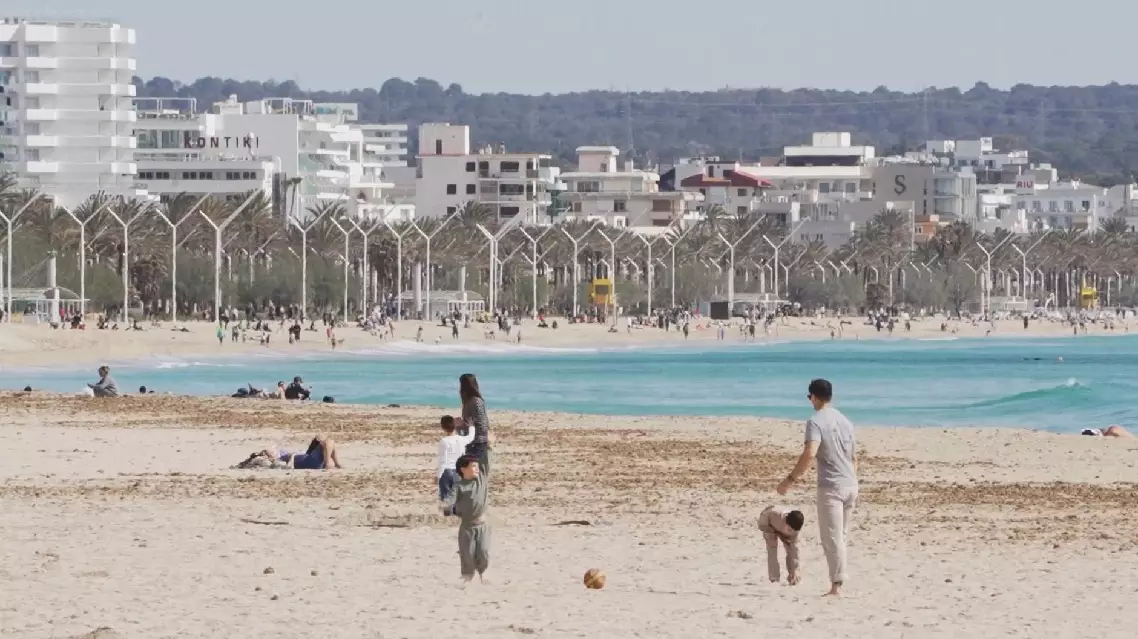
Spain tourism surges as Europeans opt for safer holidays amid Middle East conflict