In southern China, a farmer and deputy to the National People's Congress (NPC), China's national legislature, has been devoted himself to reviving his hometown's traditional fruit industry through e-commerce, creating jobs for the locals and driving local growth.
At a small village of Pingshan in Huazhou City, Guangdong Province, a grand annual celebration called Nianli was underway. It's a modest rural community, but lavish dishes such as lobsters were served at villager Lin Zhining's table. The elderly farmer says it's all thanks to the fruit he grows.
"If you want to get rich, plant Huajuhong," he told the China Global Television Network (CGTN).
The Huajuhong Lin mentioned is a distinctive pomelo native to Huazhou. It is prized for its thick, fuzzy rind, which is dried and traditionally used for respiratory health.
Born and raised in Huazhou, 32-year-old Liao Zhilue grew up with Huajuhong. He learned the technique of making the dried peels at the age of five from his grandfather.
Today, his family has moved beyond farming to processing and selling the fruit. It makes Liao Zhilue what's known as a Xinnongren, a "New Farmer" who's been educated in the cities, and brought new ideas, technologies, and business models to traditional farming practices.
Having spent years expanding markets for his pomelo, a turning point finally came for Liao in 2021, when a video of them making the peel went viral on Douyin, China's version of TikTok.
Since then, they established online live-streaming sales through the short video app as a primary revenue stream. This success was made possible by China's booming e-commerce ecosystem.
"In this era, I believe the rise of the internet, especially short video and live streaming platforms, has brought [more opportunities] for rural revitalization," said Liao, chairman of Peilin Pomelo Planting Cooperative in Huazhou.
Local authorities report that the total output value of the entire Huajuhong industrial chain surpassed 10 billion yuan (about 140 million U.S. dollars) for the first time last year, creating jobs for over 350,000 local people.
Recognizing his contributions, Liao was elected as a deputy to the 14th NPC in 2023. Last year, he submitted a motion to allow Huajuhong to be sold not just as a medicinal ingredient, but also as a food product. It was approved, significantly expanding the market potential for the entire industry.
As this year's "two sessions" draw near, one of Liao's proposals is to accelerate the construction of a highway connecting Huazhou to the mega port city of Shenzhen, which will address a common complaint among local business owners struggling with logistics.
"I will relay the voices of grassroots communities directly [to the central government]," he said.
Like many of his peers, Liao grew up with his grandparents in the village, while his parents worked in the cities. But today, rural revitalization is reversing that trend, allowing young people to build careers and raise families right in their hometowns.
A virtuous cycle is emerging, in which prosperous villages will attract more youngsters to come back, joining the forces for rural revitalization.
The "two sessions" refer to the annual sessions of the NPC and the Chinese People's Political Consultative Conference (CPPCC) National Committee, the top political advisory body, which will kick off in early March this year.
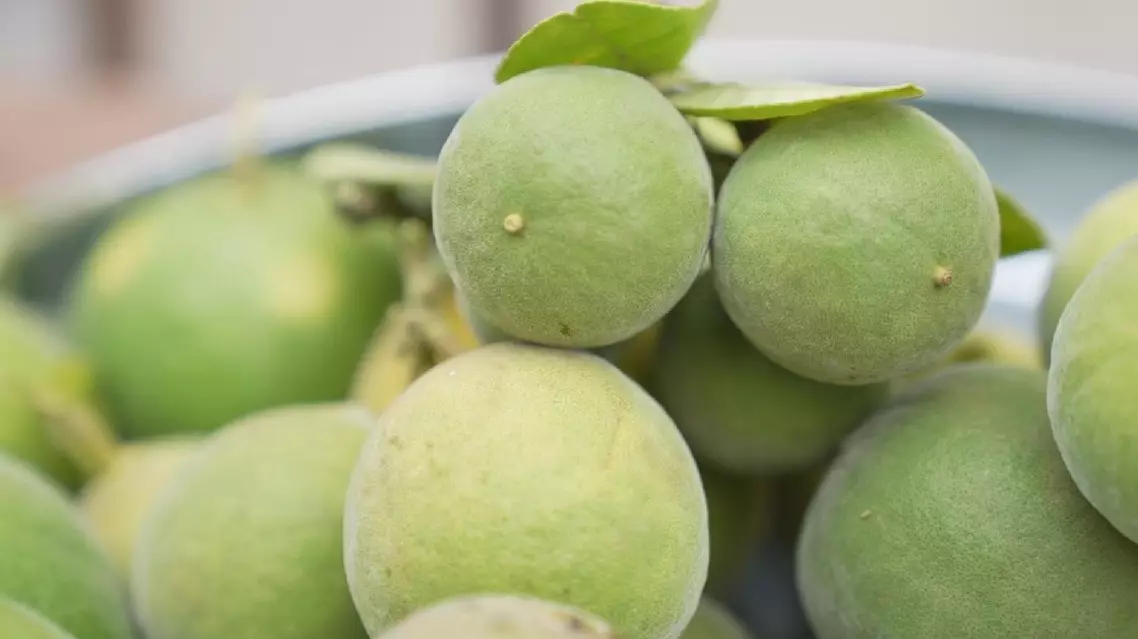
NPC deputy devoted to revitalizing traditional fruit industry in rural Guangdong
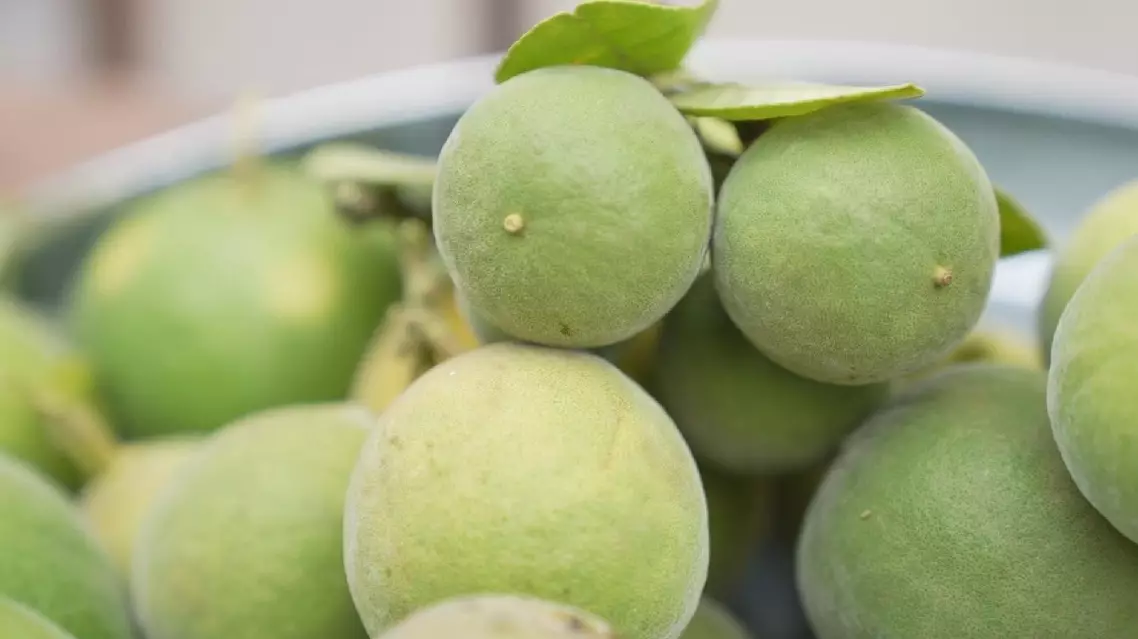
NPC deputy devoted to revitalizing traditional fruit industry in rural Guangdong