While fighting continues in the eastern part of Ukraine, farmers in the west of the country are still exporting large amounts of food to the European Union (EU), with some in the sector saying Ukrainian farmers have the upper hand over EU farmers because they are not governed by the same agricultural rules.
In an exclusive interview with China Central Television (CCTV), Jana Venhartova, director of the Food Chamber of Slovakia (PKS), an agriculture industry association, said that Slovak farmers were struggling to stay competitive in the face of cheap and plentiful imports from Ukraine.
"It very much influenced the farmers because the price of the goods imported were much lower than the ones offered by the Slovak farmers. The Slovak farmers also say that they have to comply with all the European regulation, which is very strict, which also makes the production more expensive. On the other hand, producers in the Ukraine do not have to comply with the strict rules, this is something which makes Slovak producers, or European producers, European farmers less competitive comparing to Ukraine," she said.
The Russia-Ukraine conflict has also contributed to skyrocketing energy prices and domestic inflation across the EU, with the rising price of agricultural inputs and fuel pushing Slovak farmers and food companies to the brink, Venhartova said.
"At the beginning of 2023, the food inflation in Slovakia was 30 percent, which was really high. And another impact was on materials, packaging materials for example, Slovak producers had to find other sources and other producers," said Venhartova.
Venhartova urged the EU to focus on improving its agricultural competitiveness to alleviate pressure on the bloc's farmers.
"Europe and the European Union must really focus on staying competitive in the context of world trade, trying to find the way of cooperation with these emerging countries," she said.
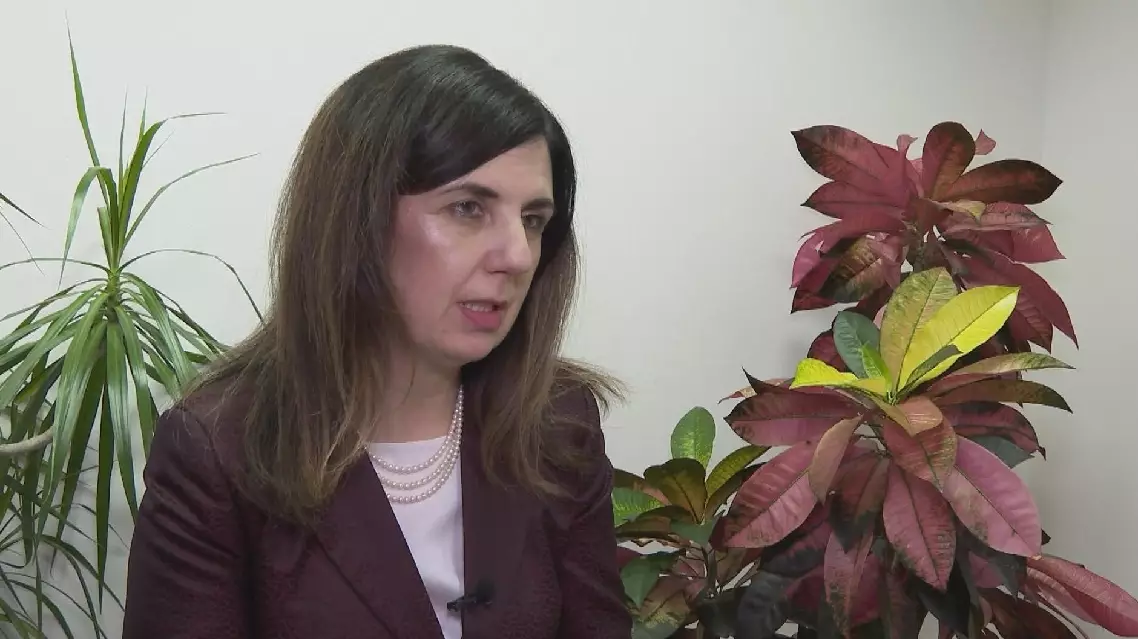
Ukrainian food exports pose challenge to Slovak farmers: food trade rep
The World Health Organisation (WHO) on Sunday determined that the Ebola outbreak in the Democratic Republic of the Congo (DRC) and Uganda constitutes a "public health emergency of international concern."
The WHO said on social media platform X that the outbreak, caused by the Bundibugyo virus, does not meet the criteria of a pandemic emergency.
The designation aims to coordinate a stronger international response to end the outbreak. The global health body has sent experts and delivered medical supplies to curb the spread of the disease.
Racing against time to stop the spread of the Ebola virus, UN agencies are scaling up the delivery of medical supplies to Ituri province in the DRC following the confirmation of the infectious disease on Friday.
More than 240 suspected cases and 80 deaths have been reported in two mining towns so far.
The WHO has prompted global partners to aid the DRC government.
"This is a local challenge needing leadership on the frontlines and we are going to have it and we are going to support it but this local challenge can go global in an instant, and those are the stakes that we are all aware of, pushing a pandemic where it belongs and ending it," said David Stevenson, a representative of the World Food Program and country director for Nigeria.
The outbreak has been reported in Uganda. Authorities have also confirmed a case in the DRC capital Kinshasa. In both cases, patients are believed to have traveled from Ituri.
International health organizations have mobilized more than 600 kilograms of medical supplies to support the DRC government to treat Ebola patients and stop the spread of the contagious disease that has occurred in a region affected by conflict.
Officials fear that displacement of populations and cross-border trade may hinder response efforts.
"I think the main challenge we are going to face in Ituri is the population because the population there is very important and they go everywhere. So, you know that there are many traders there and people are going everywhere so this is the big issue we face there," Samuel Roger Kamba, health minister of the DRC.
Countries bordering the DRC are considered high risk. The WHO has urged them to enhance surveillance and report cases. Rwanda has closed its border with the DRC in the western province of Rubavu following the announcement.
The latest Ebola outbreak is the 17th in the DRC since 1976.
Scientists say the disease spreads through contact with the bodily fluids of infected people.
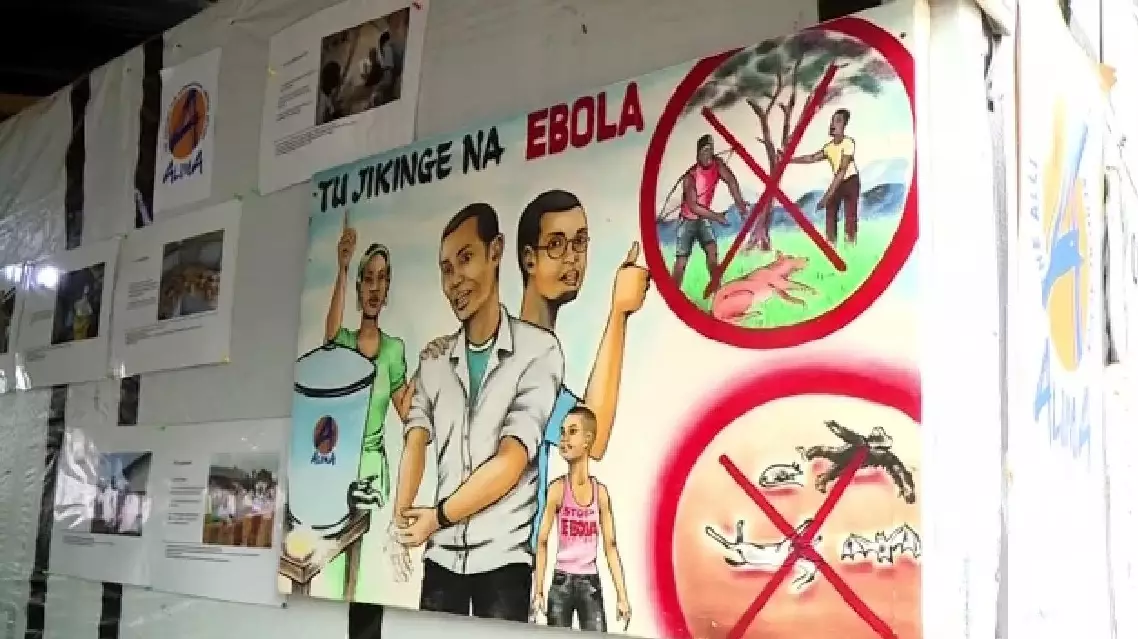
WHO declares Ebola outbreak in DR Congo, Uganda global public health emergency