China's solid-state batteries are projected to be integrated into new energy vehicles by 2027, with mass production and widespread application anticipated by 2030, said a person in charge of China EV100, a new energy vehicle industry think tank, in Beijing on Tuesday.
The think tank also said that compared to the lithium-ion batteries generally adopted in current new energy vehicles, solid-state batteries have advantages such as higher safety, higher energy density, longer lifespan, and faster charging speed.
The year 2024 marks a milestone for the country's solid-state batteries. Since the second half of 2024, the number of China's solid-state battery patent applications has rapidly increased, surpassing Japan's by three times.
At the same time, major domestic automotive battery companies have started to focus on the development of solid-state battery technology with sulfide as the main electrolyte. Experts have predicted that the industrialization of solid-state batteries is expected to begin around 2027 to 2028, with full-scale mass production achievable by 2030.
Furthermore, Ouyang Minggao, an academician with the Chinese Academy of Sciences and vice chairman of China EV100, also said that in the new energy vehicle market of 2025, it is anticipated that plug-in hybrid technology will account for around 40 percent, range-extender technology will maintain around 10 percent, and pure electric technology is expected to decrease to around 50 percent.
Moreover, currently, Chinese automotive companies are widely incorporating DeepSeek, which boosts the confidence of domestic enterprises in maintaining their leading position in the field of intelligent driving.
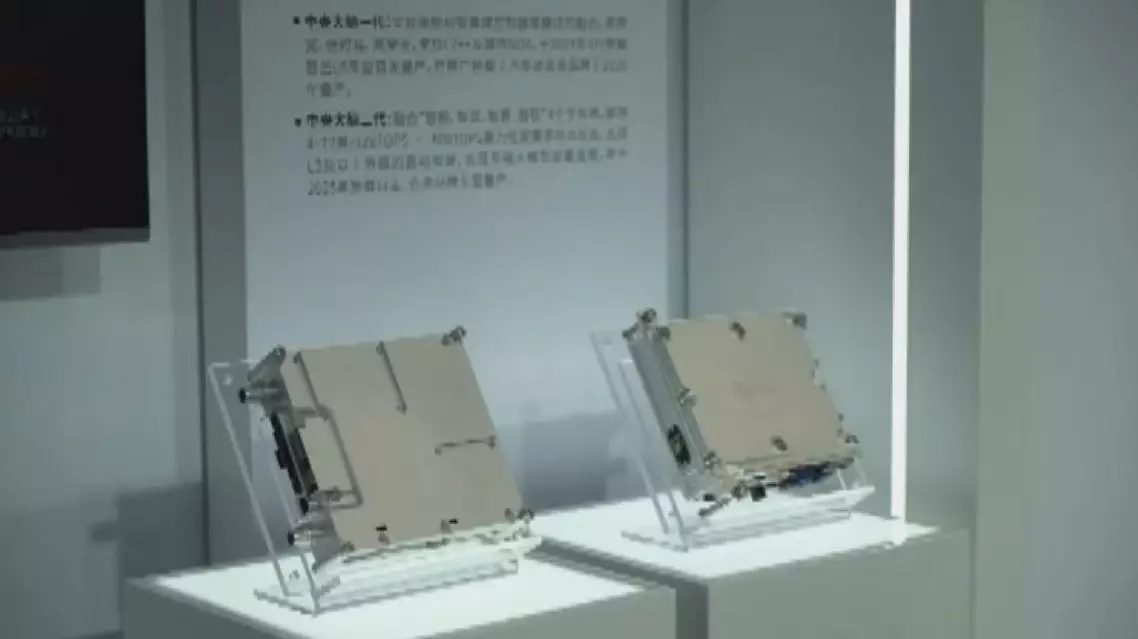
China's to use solid-state batteries on new energy vehicles by 2027
An increasing number of German consumers are considering buying electric vehicles (EVs) in the face of high fuel prices, according to a recent survey by the largest German online car trading platform, mobile.de.
As the Middle East tensions continue to drive up international oil and gas prices, the cost of automotive fuel has been rising steadily in many European countries.
According to fuel price data compiled by the German Association of the Automotive Industry, since the United States and Israel launched military strikes against Iran on February 28, gasoline prices in Germany have risen by nearly 20 percent, while diesel prices have shot up by more than 30 percent.
Results from a recent survey by mobile.de show that if gasoline prices remain at current high levels, 43 percent of respondents said they would switch to EVs, and 36 percent cited long-term cost savings as the most important reason for considering an EV purchase.
Additionally, the platform's data show that inquiries about used EVs surged by 66 percent in the first half of March.
"We are absolutely seeing much more interest on mobile.de for electric cars. What the German energy transition couldn't do, this current geopolitical situation has done in terms of transition to electric cars," said Ajay Bhatia, CEO of mobile.de.
In addition to high oil prices, government subsidies are also a key factor driving German consumers to consider purchasing EVs.
The German government announced the resumption of subsidies in January of this year, planning to invest 3 billion euros over the next few years to provide purchase subsidies for some 800,000 EVs.
Driven by the combined effects of high oil prices and subsidy policies, German consumers' interest in EVs has grown clearly. However, it remains to be seen whether this shift will evolve into a more sustained market trend.
"How long it will stay is anyone's guess, but at the moment we're absolutely seeing an increase, and sometimes these transitions need a catalyst. And this is definitely a catalyst that is seeing the transition to electric cars speed up," said Bhatia.
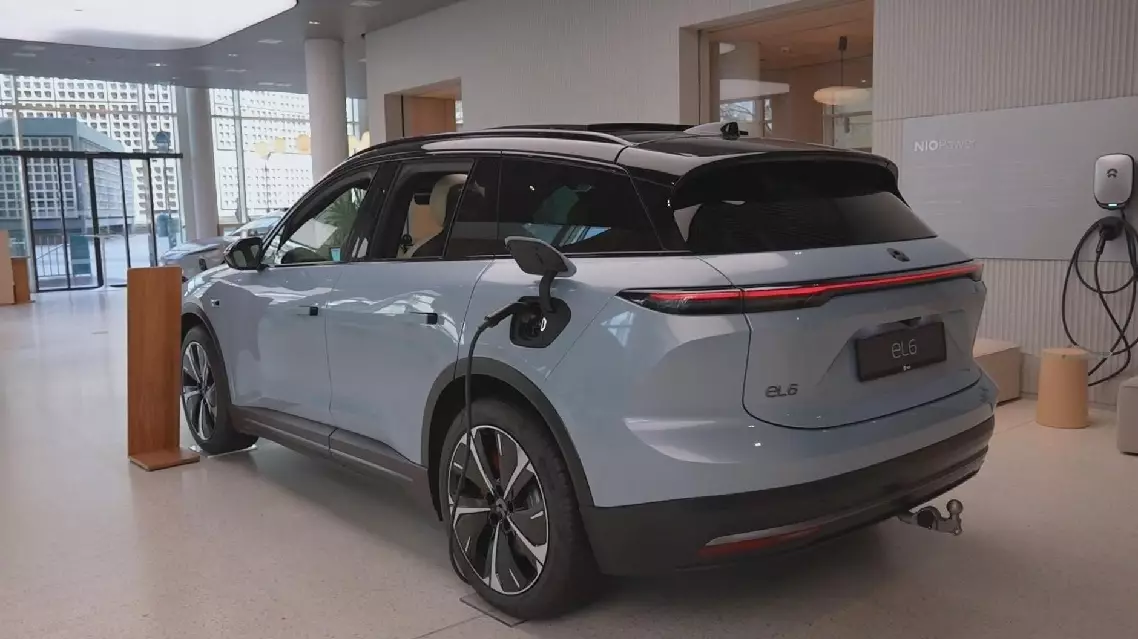
More Germans interested in buying EVs due to high oil prices: survey