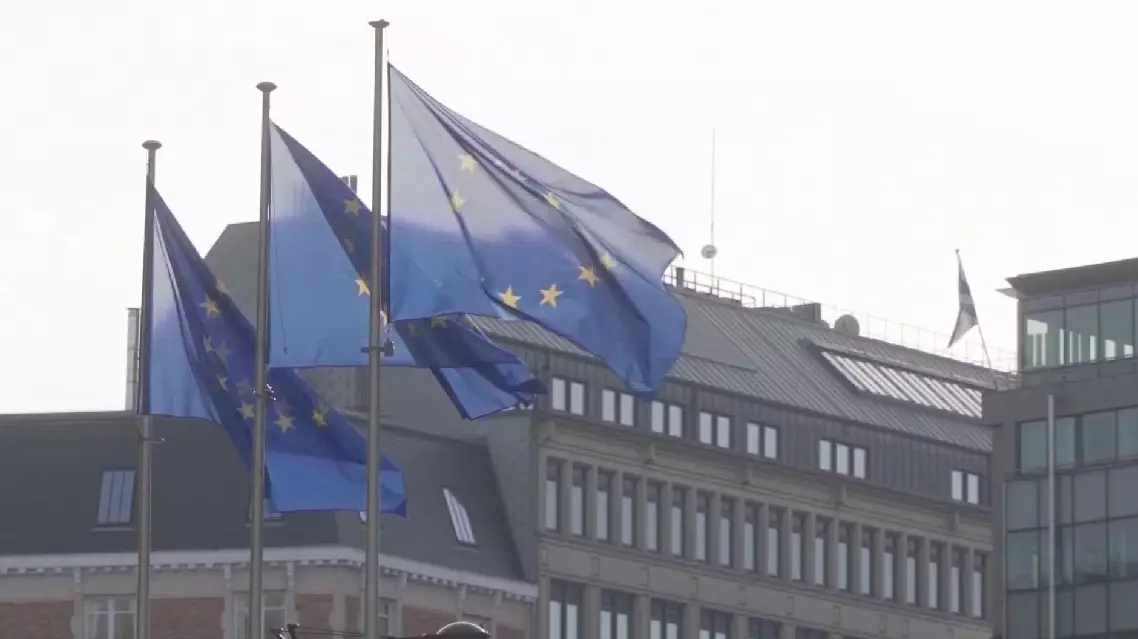
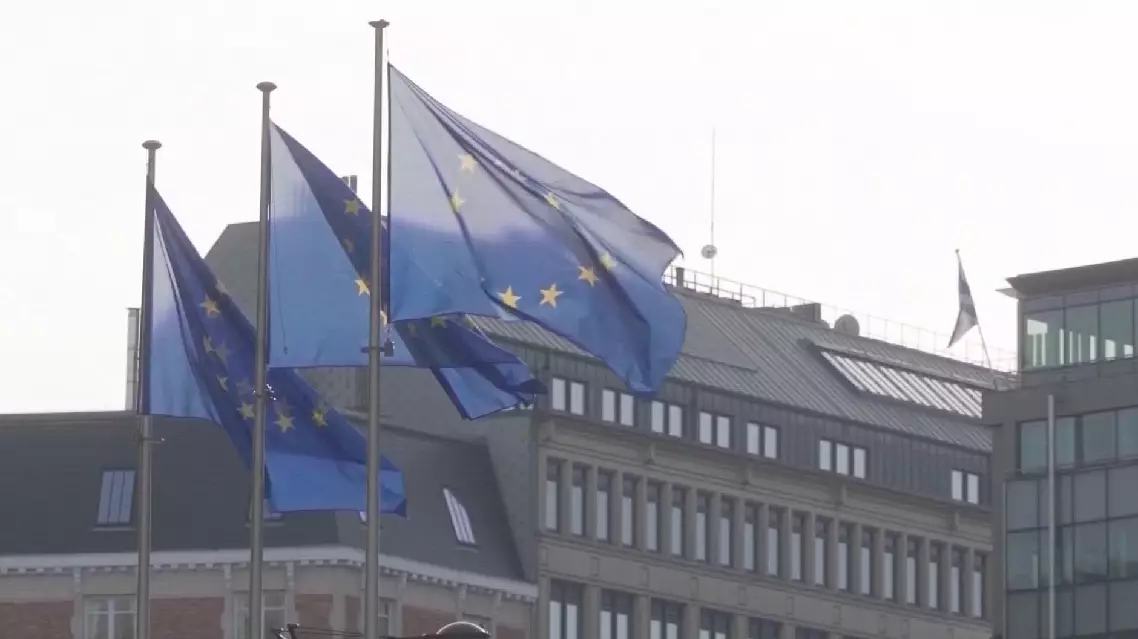
People from the European business sector have warned that implementation of the tariffs threatened to impose by U.S. President Donald Trump on European exports to the U.S. will hurt the interests of both sides and end up bringing heavier payment burden on U.S. residents.
Trump has recently threatened to slap 25 percent tariffs on imports from the European Union, claiming the 27-country bloc was created to "screw the United States". In response, the EU said it would react firmly and immediately against unjustified barriers to free and fair trade.
Click to Gallery
European business sector warns U.S. tariffs will hurt both sides
European business sector warns U.S. tariffs will hurt both sides
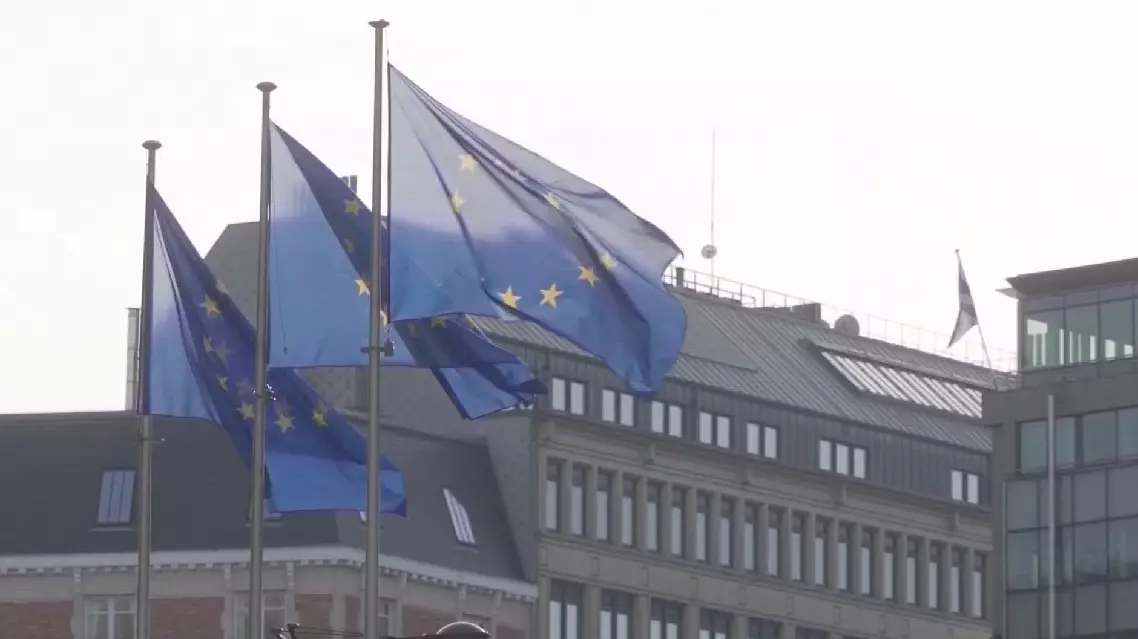
European business sector warns U.S. tariffs will hurt both sides
European business sector warns U.S. tariffs will hurt both sides
European Commission Spokesman Olof Gill said that high level contacts were taking place between the U.S. administration and the EU, according to reports from European media.
According to various reports, the EU is also working on retaliation measures. A list of products already targeted in the trade dispute between the Trump administration in 2018 and the EU on aluminium and steel is ready.
An arsenal of anti-coercion measures could also be applied, but the decision-making process would take longer. Such measures could cover services, or trade-related aspects of intellectual property rights.
The U.S. tariffs have been a focal point of discussion within the European business sector, with many in the industry believing that the Trump administration's decision to hit EU goods with tariffs is unjustified and that it will not only harm the interests of U.S. trade partners but are also likely to backfire in the long run.
"It can bring inflation because if the products are more expensive, because [if they are] produced in the United States, that will bring more burden for the local population. It will also impact exports from the United States to other countries. Because if the other countries take retaliatory measures, that means that American products will be more expensive in these countries. It will not be in favor of the United States. It will be a lose-lose party. Everyone will lose on the long term," said Bernard Dewit, chairman of Belgian-Chinese Economic and Commercial Council (BCECC).
"I think if President Trump keeps on imposing tariffs, then they will isolate themselves from the [rest of the] world, from the global geopolitical landscape. And so yes I think it will be a pretty heavy burden to wear overtime for the U.S.," said Deschamps from Belgium's business sector.
European business sector warns U.S. tariffs will hurt both sides
European business sector warns U.S. tariffs will hurt both sides
European business sector warns U.S. tariffs will hurt both sides
European business sector warns U.S. tariffs will hurt both sides