Canada's small beermakers are facing a brewing crisis with the U.S. set to implement a 25 percent tariff on Canadian goods starting Tuesday and another 25 percent tariff on Canadian steel and aluminum imports -- key for canned beer -- on its way.
Henderson Brewing, a Toronto-based craft brewery established in 2016, exemplifies the struggles of small brewers navigating a volatile market. With a diverse range of beers, the company faces the daunting task of managing perishable products under increasingly difficult circumstances.
Steve Himel, president and co-founder of Henderson Brewing, articulated the tough decisions brewers must make.
"One of the hardest decisions any small brewer has to make when you're looking at a tank full of beer, you've got 6,000 liters of beer, and it's not right, and you've got to make the decision to pour that down the drain," he said.
Dilemmas like these are now being exacerbated by rising costs stemming from the impending U.S. tariffs.
The brewing industry's reliance on aluminum cans further intensifies the impact of the proposed tariffs. Despite Canada being a major exporter of raw aluminum, the country lacks facilities to produce the sheets used for cans, meaning aluminum is shipped back and forth across the U.S. border before it is used in a brewery.
"Today in Canada, over 80 percent of what we call packaged beer is sold in cans. The threat of these tariffs, and specifically on aluminum, have already impacted costs. So there's a benchmark price of aluminum that has already increased by 50 percent year to date in 2025," said CJ Helie, president of Beer Canada.
"The challenge is we already are in an environment where our costs are pretty high for other reasons and having to push those up even higher. At some point, our consumer is going to break," said Himel.
If imposed, the U.S. tariffs will create yet another headwind for craft breweries across Canada. There is a genuine fear, especially if the tariffs remain in place for any length of time, that many of the smaller craft breweries may not survive.
"The big breweries, which in Canada are owned by multinationals, they have the cushion to ride this out. They are not going to care. For the small beer businesses, arguably, this could be catastrophic," said Himel.
"These are just staggering numbers, numbers that Canadian brewers could not even think of absorbing. So we're talking about significant price increases and huge disruption in the marketplace," said Helie.
As the conflict over tariffs continues, the phrase "small beer," often used to denote something trivial, takes on a new significance for breweries across Canada. The brewing industry faces a critical juncture, where the outcome of these policy decisions could determine the survival of many small craft breweries.
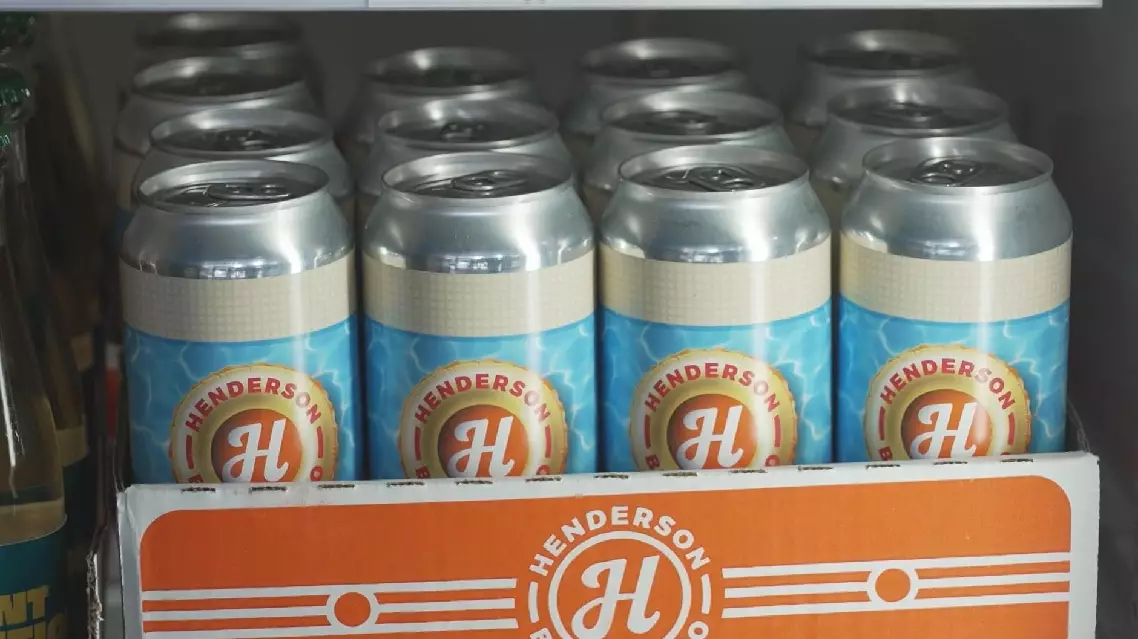
Small Canadian breweries anticipate "catistrophic" soaring costs due to U.S. tariffs
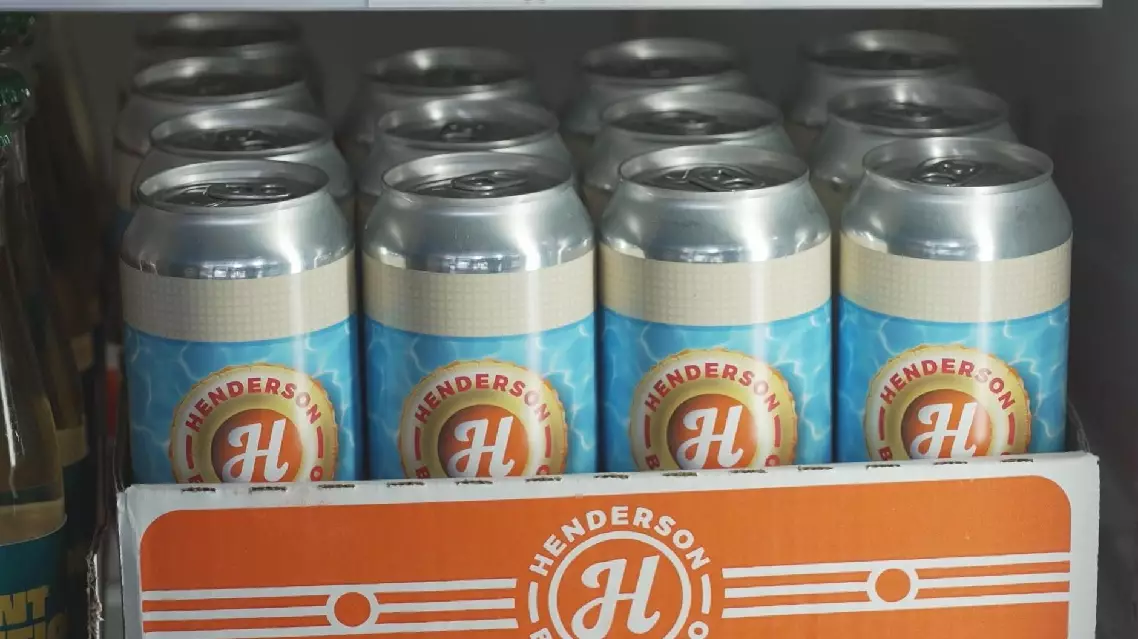
Small Canadian breweries anticipate "catistrophic" soaring costs due to U.S. tariffs
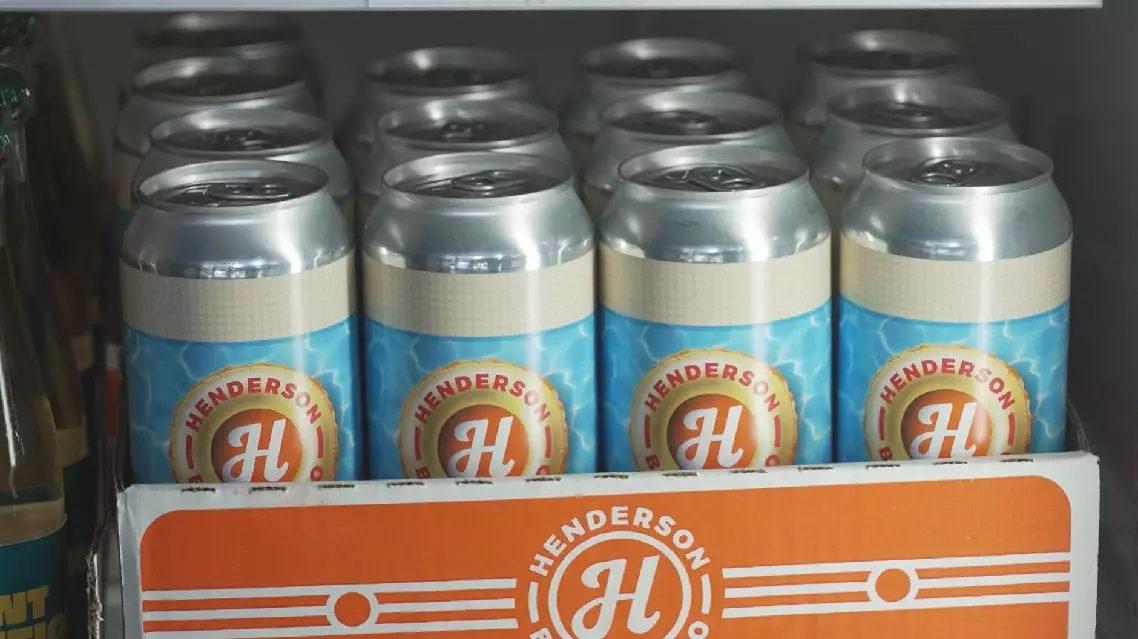
Small Canadian breweries anticipate "catistrophic" soaring costs due to U.S. tariffs